Change or rekey · Strathroy-Caradoc
Vintage Mortise Lock Service in Strathroy-Caradoc
The key turns freely in the round cylinder on the door, all the way around and back, without the bolt shifting at all.
In plain words
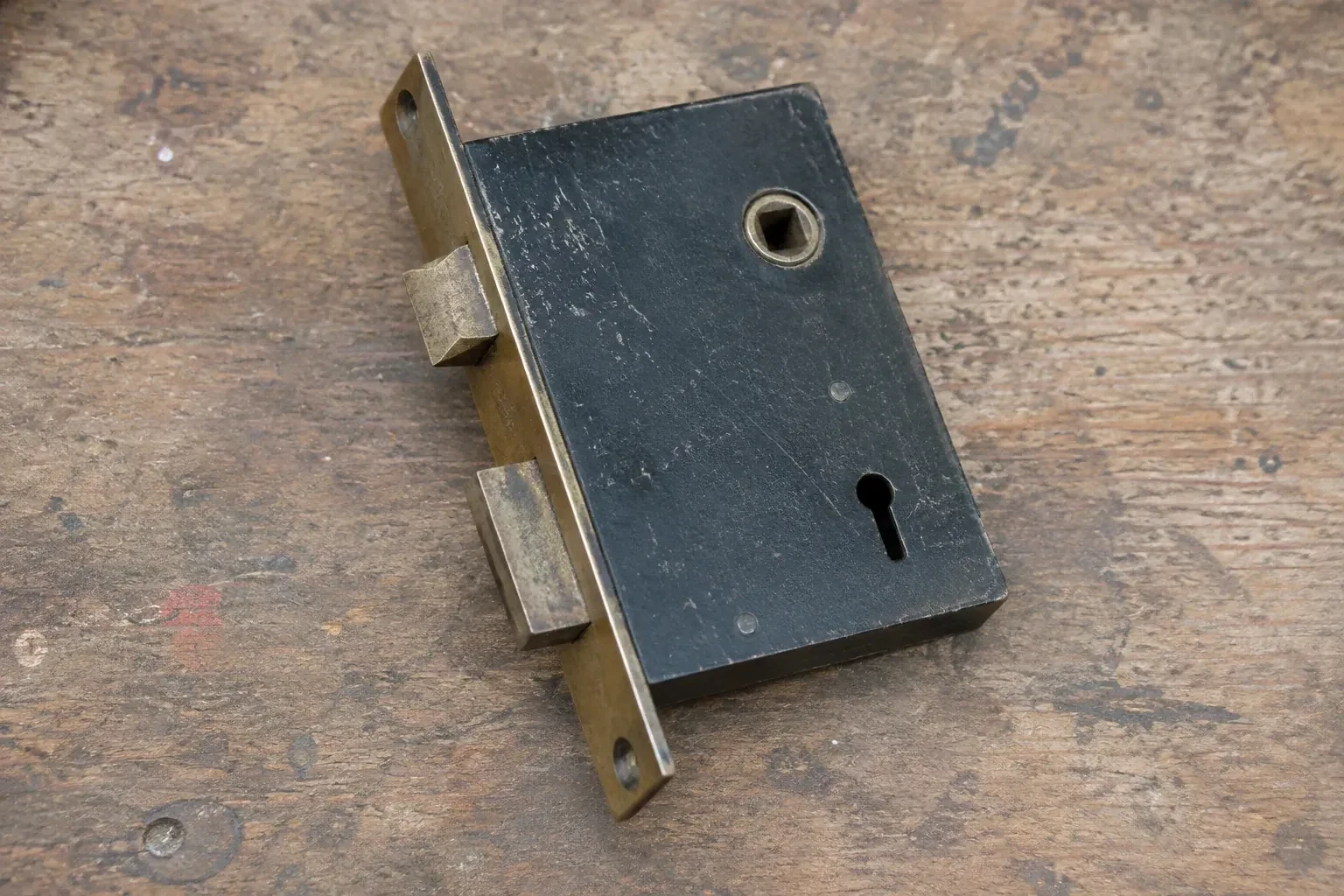
Vintage mortise lock service is the repair of the original lock in an older door rather than its removal. The lock is a rectangular steel case that lives inside a pocket in the door edge, and nearly everything that goes wrong with it, a tired spring, dried grease, a worn hub, a lost key, can be put right on the bench. The locksmith confirms you own or occupy the home, takes the case out through the door edge, rebuilds it, sorts out the keys and puts it back in the same pocket. The door keeps its knobs, escutcheons and history, and it locks as it did when new.
How the visit goesThe old skeleton key still fits the keyhole, but it now needs a jiggle, a lean on the door and a little luck before the bolt moves. Last week it took three tries. You have one key and no idea where a second could come from.
Vintage Mortise Lock Service
How the visit goes
How the knob and key actually behave
A short conversation with the hardware comes next. The knob is turned and released: does it return smartly, sag back, or not return at all? Is there free play before the latch moves? The key is tried in the deadbolt with the door open: does the bolt throw fully, catch part way, or ignore the key while the key turns? The thumb-turn gets the same test. Each answer points somewhere different inside the case, a latch spring, a hub spring, a worn hub square, a deadbolt lever, a cylinder cam, and the locksmith is building a short list of likely parts before the cover ever comes off.
Reassembly and setting the trim
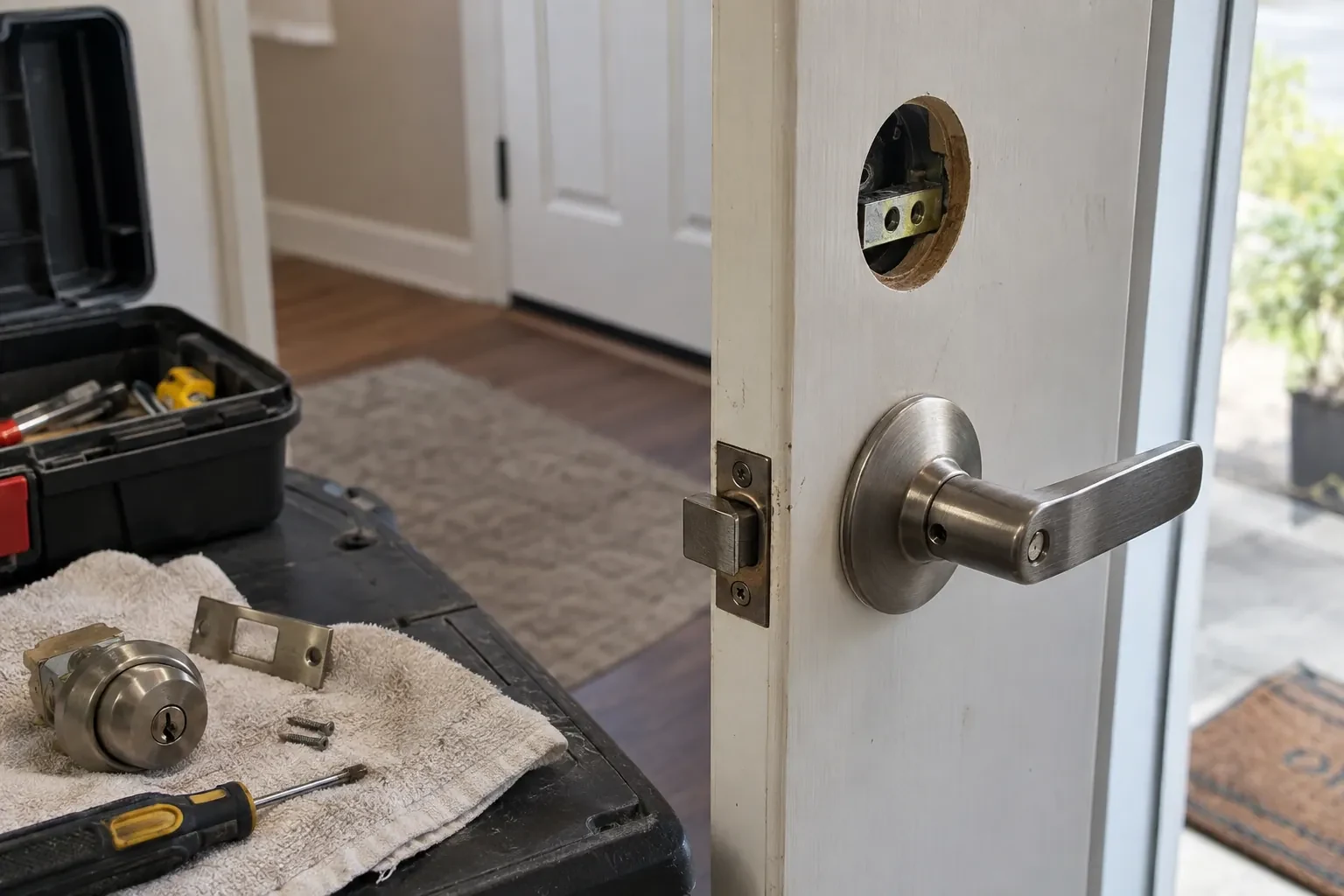
The case slides home and is screwed off, then the cylinder or keyhole escutcheon goes on, followed by the spindle, knobs and rosettes. The spindle is trimmed to length so the knobs sit against the door without pinching, and the set screws are tightened so there is no free play before the latch moves. The thumb-turn is aligned with the deadbolt tail so it throws with a light touch. Paint is cleared from the faceplate and strike edges where it was catching. Then the door is closed and the whole lock is worked from both faces with the key, the knobs and the turn, several times, listening for the latch to seat.
A clear way out
If the entry door's deadbolt was keyed from both sides, the service leaves the inside operable without a key: a thumb-turn fitted to the bolt tail, or a knob function that releases the latch from inside. This is simply good sense for a door people use to leave the home, so nobody is stuck hunting for a key inside their own house. You are shown how the inside release works and asked to try it, and everyone in the household should know it too, especially anyone who grew up with the old habit of leaving the key in the door on the inside.
Vintage Mortise Lock Service
In the van
Light lock oil
Spindle and knob set screws
Reproduction mortise case
Deadbolt lever springs
Hardwood dowel and wood glue
Vintage Mortise Lock Service
What affects the quote
Extras you choose on the day
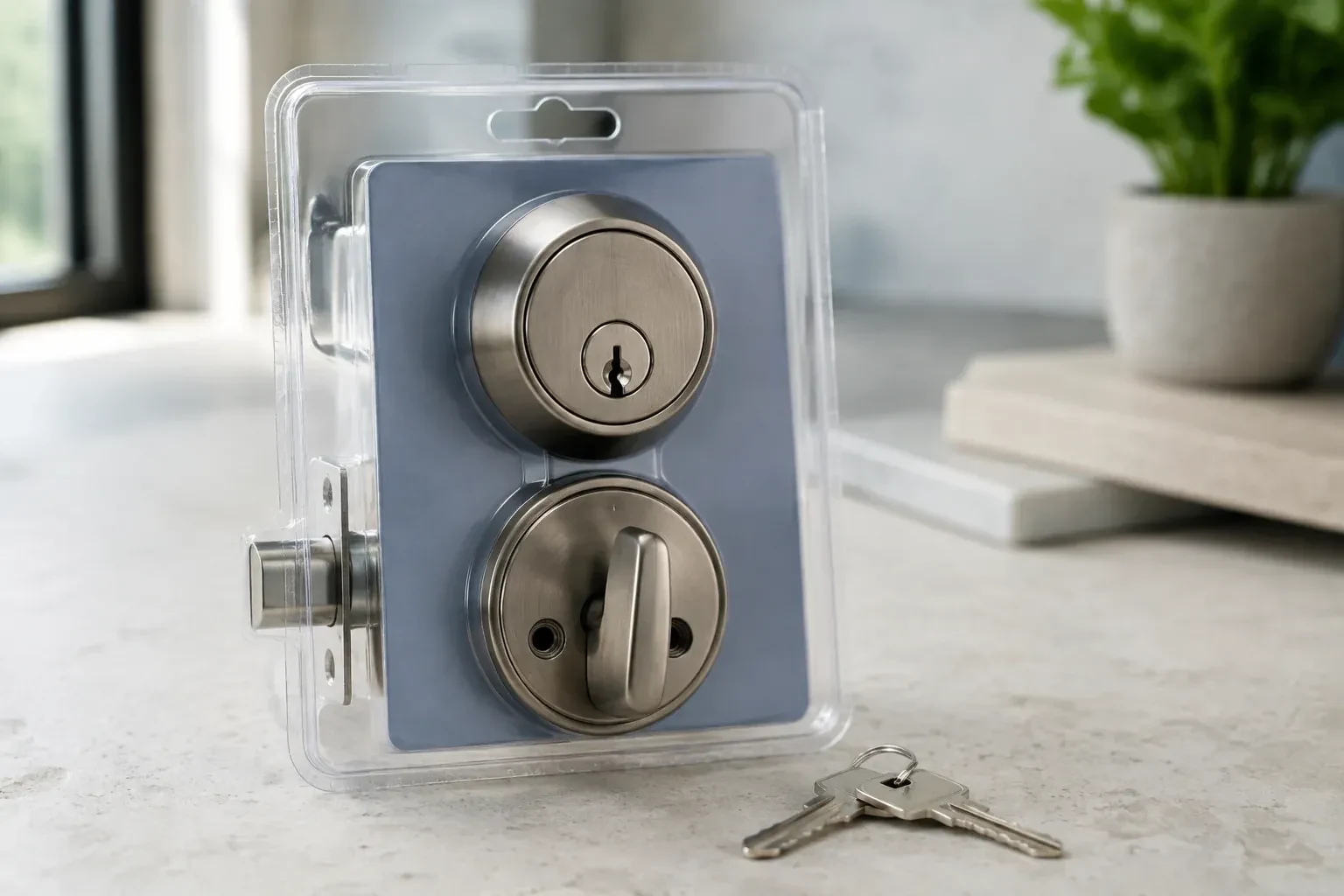
A high-security cylinder, a lockbox for a spare bit key or a separate modern deadbolt above the original are optional additions. None is required to make the old lock work, and each is priced as its own line.
Paint and seized parts
Hardware buried under decades of paint takes time to free and clean without damage. A faceplate, strike and thumb-turn that have to be stripped back add to the visit and are noted in the quote.
Replacement cylinder
When a pin-tumbler cylinder is past rekeying, a new mortise cylinder of the right thread and cam is fitted. A standard cylinder and a high-security one are different hardware and are quoted as such.
What to have ready
- How many keys would you like to have afterwards?
- Can you send a photo of the plate in the door edge and one of the keyhole?
- Is the property designated as a heritage building?
Vintage Mortise Lock Service: questions
QuestionsCan the work be done with the lock left in the door?
Rarely, and it is not the better route. Almost everything that fails is inside the case, and the case only opens once it is out of the pocket, which takes a few minutes and leaves no mark. Working through the keyhole with an unapproved or over-applied spray tends to wash out what little lubricant should stay and gums the levers later. Removing the case, cleaning it properly and refitting it is the repair that lasts.
How should I look after the lock once it is serviced?
A drop of the right lock oil into the latch and bolt once a year is plenty. If the lock has a pin-tumbler cylinder, use whatever lubricant that cylinder's maker specifies, since some take a dry graphite or PTFE product and others a specified liquid one. Try the latch and deadbolt each spring and fall; if the bolt starts to scrape, the strike wants a small adjustment before anything is strained. Keep bit keys out of a pocket where they bend.
Can my interior doors be serviced too, and can one key work all of them?
Usually yes to the first, and to the second once the locksmith checks the locks. Interior mortise latches with privacy turn buttons are lighter versions of the entry lock and respond to the same clean and re-spring. Interior locks in a house were sometimes supplied to one bit key, and where the key sections, warding and levers actually match, the locksmith can restore that arrangement so a single key opens several bedroom and bathroom doors. It is a practical thing to have when a child locks a bathroom from inside.
Related services
- Deadbolt InstallationYou moved in three weeks ago.
- Lock Replacement & UpgradeThree teenagers, a dog walker, a cleaner and one house key that keeps going missing.
- Smart Lock InstallationThe deadbolt is a stiff double-cylinder model that needs a key from both sides, and in the dark hallway finding it is a nuisance.