Locksmith
Straight answers about locks
We spend our days explaining locks to people who have never had to think about them, and that is the voice these notes are written in. No jargon, no assumptions. Just what you need to know to keep your home, business and vehicle sensibly secured.
Short answers to common questions
What if my wallet and every document are locked inside?
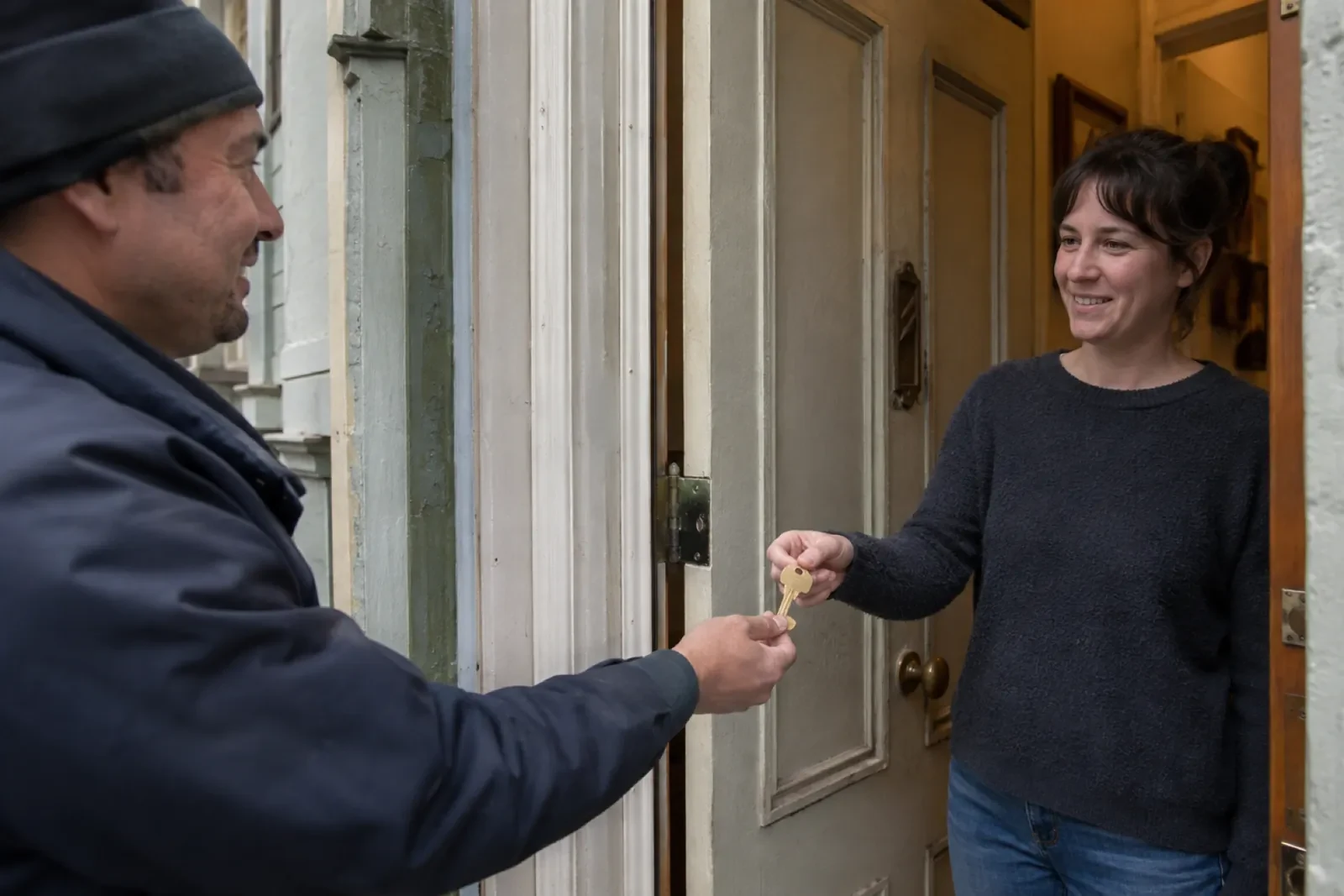
That is the most common version of a lockout, and there is a routine for it. Tell the locksmith on the phone so the plan is agreed before arrival. Often a neighbour can confirm you live there, a digital copy of a lease or bill is on your phone, or a property manager can vouch for you. Where none of that is available, the locksmith opens the door and completes the identification check with the documents inside before leaving.
Will we get something in writing afterwards?
Yes. The visit closes with a written account of which door was opened and how, the condition the hardware was in, anything replaced, the number of keys cut and who received them. Landlords ask for it when locks on a unit change, insurers after a loss, and franchise head offices as a matter of course. Keep it with the lease; it also tells the next locksmith exactly what is on your doors.
The key broke while the door was locked. Can you still get me in?
Yes. The fragment comes out first, because nothing else can happen while it blocks the keyway. With the cylinder clear and the plug at rest, the door is opened by the same non-destructive methods used for any lockout, then a working key is cut and tested. If the door is a rental, the visit is noted for the building manager on request.
I rent. Who arranges the repair, and can I change the lock myself?
Tell your landlord or property manager as soon as the police have been called; provincial tenancy law makes the landlord responsible for repairs to the unit, and most will arrange the locksmith. A tenant may not change locks without the landlord's agreement, and a landlord who changes them must give the tenant keys, so the visit is coordinated between you. If you arrange securing yourself in an emergency, keep the receipt and the record of what was done for both sides.
Can an old mortise lock in a century home be serviced rather than replaced?
Often, and keeping the original hardware is usually worth trying first, since it fits the door and suits the house, though condition and the availability of matching parts decide whether a repair is realistic. The case comes out of the door edge, the decades of dust and hardened grease are cleaned away, a broken spring or worn hub is replaced with a matching part, and the contact surfaces get fresh grease. If a bit key or a cylinder has worn, a new key is cut or the cylinder rebuilt.
I live in a condominium. Which locks are mine to rekey?
Your suite door is generally the one you can act on, and it may sit on a building master system, so the locksmith plans the rekey so the master still operates while the old change key stops working. Lobby doors, the parking gate, amenity rooms and the mailroom belong to the corporation; report a lost fob or key for those to the property manager, who deactivates or reissues it. The locksmith can help sort which is which.
Should I rekey when I move into a new home?
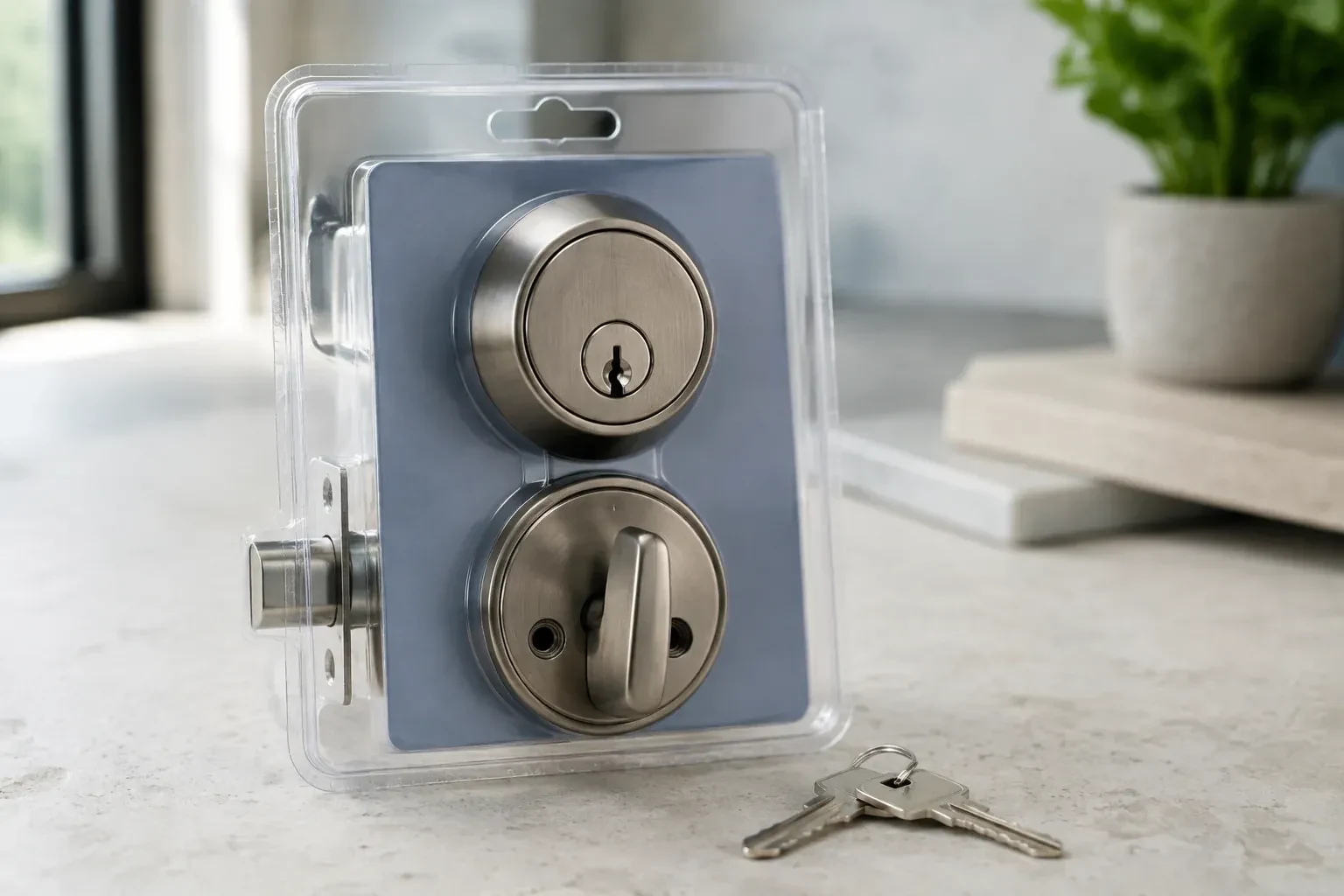
It is the single most common reason to rekey, and a sensible one. A resale home has typically passed through owners, agents, inspectors, cleaners and trades, any of whom may have had a key cut. A newly built home has been opened by construction crews using a builder's key. Rekeying on move-in means the only working keys are yours, and the same visit can bring every exterior door onto a single key, retiring the assorted keys you inherited.
How long should the bolt be?
The bolt should extend at least 25 mm into the frame, which is the standard throw for a dwelling's entrance doors and the length most residential deadbolts provide. Part of the bolt stays inside the door for support while the rest sits in the pocket. A hardened steel insert that spins under a saw blade is a common feature worth having on doors that face a street or laneway.
Can the same visit replace locks on more than one door, or does each door need its own appointment?
One visit usually covers every door on the job. The locksmith brings a range of cylinders and strikes, measures each door's backset and bore, and works through the list in order, front entrance first if a key change matters most there. Having a rough list ready, which doors, and whether they should end up on one key or several, lets the locksmith plan hardware before arriving rather than working it out door by door on site.
Can the work be done with the lock left in the door?
Rarely, and it is not the better route. Almost everything that fails is inside the case, and the case only opens once it is out of the pocket, which takes a few minutes and leaves no mark. Working through the keyhole with an unapproved or over-applied spray tends to wash out what little lubricant should stay and gums the levers later. Removing the case, cleaning it properly and refitting it is the repair that lasts.
How long does a smart lock installation take?
Plan on part of a morning or afternoon for one door. A straightforward swap onto a well-fitting door with the standard holes is the shorter end; a door that needs alignment work, holes enlarged or a mortise pocket filled takes longer, as does joining the lock to Wi-Fi and setting up several user codes. If other doors are being rekeyed to match the override key, add time for each cylinder.
Can several padlocks around a property be keyed alike?
Yes, provided the padlocks themselves are a type built to be rekeyed or matched, which is a feature of the specific model rather than something price or quality decides. The locksmith either rekeys the existing padlocks to a shared combination or replaces any that cannot be rekeyed with new ones cut to match. The result is one key working the front gate, the side gate and the shed, instead of a separate key for each, though a utility gate can be left on its own key.
What happens to the old lock and the old key afterward?
The old cylinder is removed and handed to you or taken away, whichever you prefer, and any key still floating around no longer fits anything once the new lock is seated. If the old lock was drilled out, the leftover pieces are shown to you so it is clear what was removed and why.
Can a safe be repaired instead of replaced after drilling?
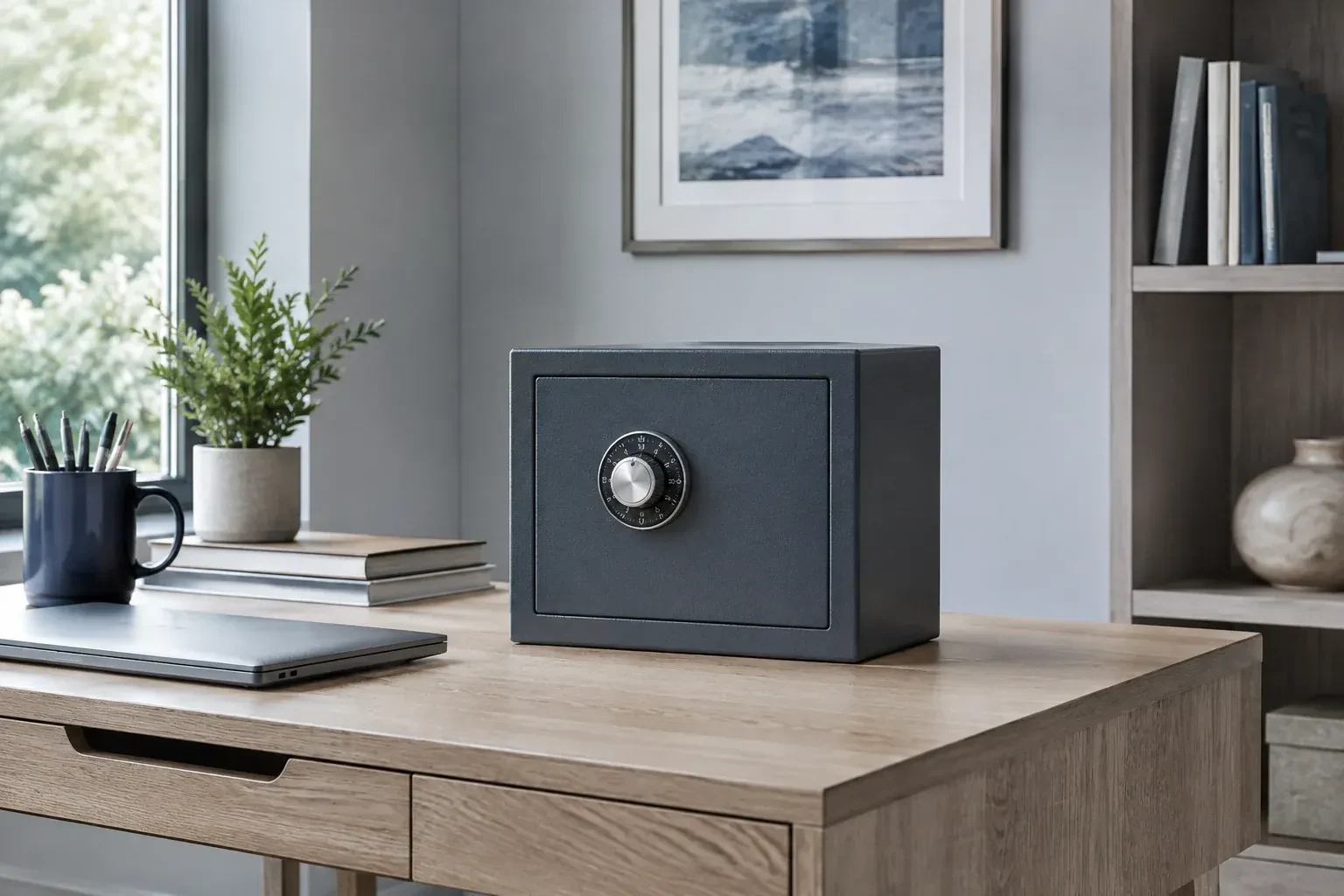
Often, yes, particularly for a mechanical lock, where a worn wheel pack, drive cam or spindle can be replaced individually within the existing lock body. An electronic lock's circuit board and keypad are less often repairable in place and are more commonly swapped for a comparable or higher-rated replacement unit that fits the same cutout.
Why does the inside of my fireproof safe feel damp?
A fire-rated interior works by sealing tightly, and that same seal traps ordinary household humidity over time with nowhere to go. Opening the door for a few hours every few weeks lets trapped air exchange with the room, and a desiccant packet inside absorbs moisture between those openings if it is refreshed on schedule. A musty smell or a soft-feeling document is the interior telling you it needs airing out.
What about the glass panel next to my front door?
A sidelight within reach of the inside thumb-turn is the weak point of an otherwise strong door, since a broken pane lets a hand reach the turn. Options include moving the deadbolt further from the glass, a lock function that needs a key inside as well, or a laminated pane. Because everyone must still be able to leave easily, the locksmith talks through the trade-offs and helps you pick the arrangement that suits your household.
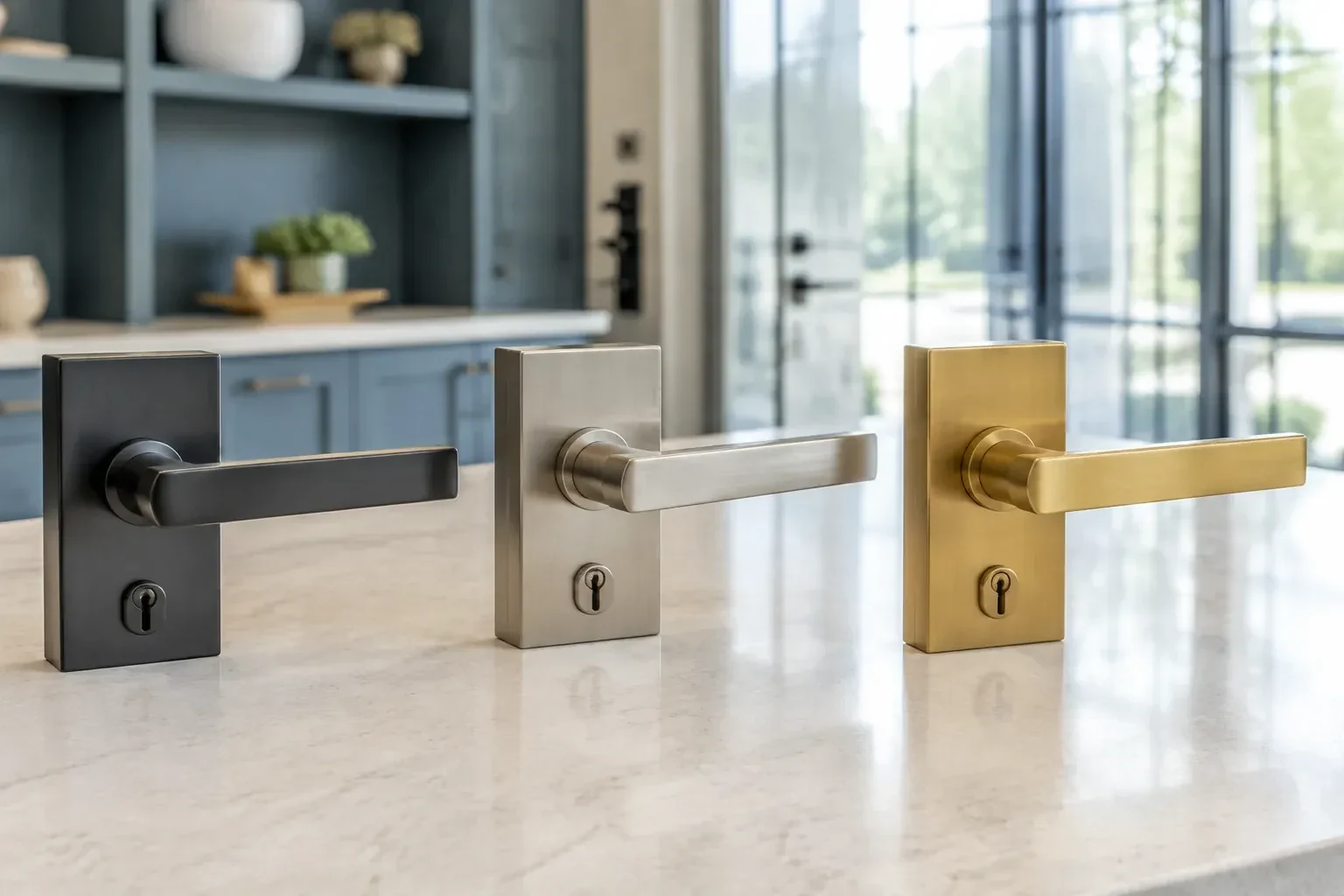
What is a master key system and does a small business need one?
In a master key system each lock accepts its own change key and also a master key above it, so a manager carries one key while staff carry keys that open only their own doors. Small businesses with three or four doors often manage without one. A master earns its place once there are several rooms with different people in them, or several locations, and the owner would otherwise carry a ring of keys.
Should I keep spare blanks or unpinned cylinders on hand?
It depends on how the keyway is controlled. With a restricted system, spare blanks are typically held by the locksmith against the authorized record rather than stored loosely on site, since that is what keeps duplication contained. With a standard keyway, keeping a few spare cylinders of the same platform can simplify a later addition, though it is not required.
How long does an installation usually take?
A single standalone door is usually finished within a day, including testing and training. A building with several networked openings, cabling to run and a controller to program takes longer, and is often planned across more than one visit so cabling, hardware, and software configuration each get proper attention rather than being rushed through in one pass.
Can one visit cover several doors in the same building?
Yes, and it is common. A building rarely has only one exit affected by an occupant-load or fire-rating question; stairway doors, assembly-room exits and any doors altered together during a renovation are usually assessed and fitted in the same visit, with one written record covering every device installed across the building.
Can you replace just the cylinder instead of the whole lock body?
Often, yes, particularly with an interchangeable-core system where the core is designed to be swapped without removing the lock body from the door. Where the lock body itself is worn, damaged or of a grade that no longer suits the door's traffic, replacing the cylinder alone would leave the underlying problem in place, so the locksmith says which option actually fits the situation found.
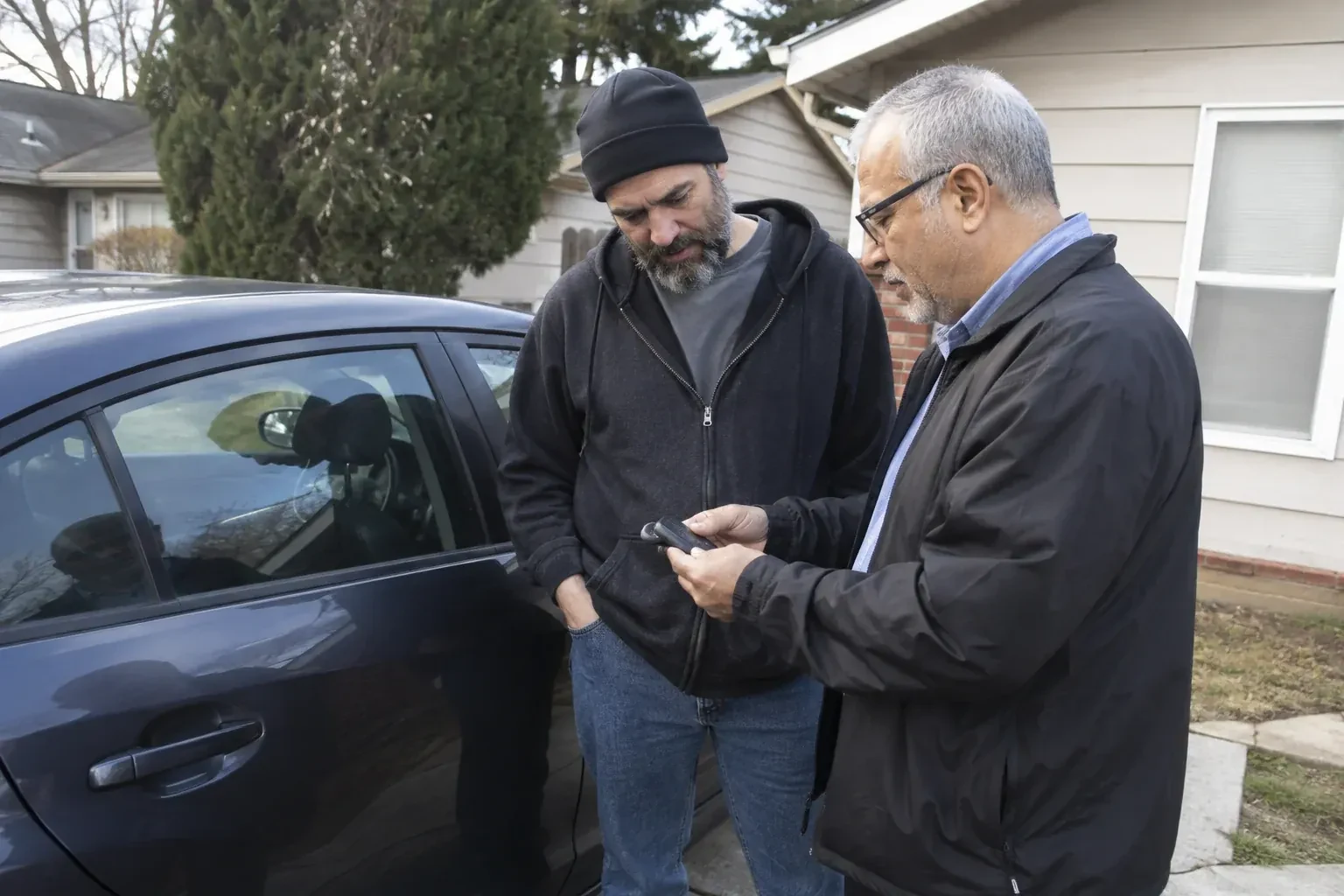
Why not just use a coat hanger or a slim jim?
Those tools suited cars from decades ago with simple rods inside the door. A modern door is packed with wiring, window regulators, speaker leads and side-airbag sensors, and a blind tool fishing among them can cut a harness or set off a fault. Coat hangers also tear seals and scratch glass. Purpose-made wedges, padded reach tools and keyway-specific picks do the job from outside the door's workings, which is why locksmiths carry them instead.
Can you make a key for a car with push-button start?
On many vehicles, yes: a proximity fob is registered to the vehicle through the diagnostic port in much the same way as a transponder key, and then tested for passive entry at the handles and for starting with the fob in a pocket. Other systems pair a proximity fob through onboard, app-based or dealer-only steps instead. The emergency blade tucked inside the fob is cut to the door lock so you have a mechanical way in, and the VIN check reveals in advance which route a given vehicle needs.
Can one key work for two vehicles?
Sometimes, when both vehicles share a compatible lock family and immobilizer system, most often two vehicles from the same manufacturer and a similar era. Sharing a keyway is not enough on its own: the two locks also need a bitting that satisfies both, or one vehicle's cylinders get rekeyed to match, and the transponder has to be capable of authorization on both immobilizers. Where they do not line up, the practical answer is two separate keys carried together on one ring.
What is the difference between a remote, a transponder key and a proximity fob?
A basic remote only operates the locks and alarm from a distance while a separate metal key still starts the engine. A transponder key combines a cut blade with a chip the immobilizer reads before allowing a start. A proximity fob goes further: it authorizes entry while it is nearby, though most vehicles still need the handle touched, gripped or pressed to actually unlock, and it starts the engine with a push button, with no key insertion needed day to day. Each type is programmed differently.
What information should I have ready before this visit?
The vehicle's year, make and model, and its VIN if it is easy to find, let the locksmith arrive with the right blank and chip already in hand. Knowing how many keys currently work, whether any were lost or stolen, and whether the vehicle uses a basic blade or a fob shapes the rest of the visit before a single tool comes out.
What if there are scratches or damage around my ignition slot already?
That is noted honestly before any work begins, since it often means an earlier attempt was made on the lock. Damage like this usually points toward a full cylinder and housing replacement rather than a simple service, because the internal parts of a lock that has already been forced are rarely trustworthy afterward. You are shown what was found before deciding how to proceed together.
Can a locksmith work on a leased or company vehicle?
Yes, provided the person requesting the work can show a connection to the vehicle, such as a lease agreement, a fleet authorization letter, or documentation from the company that holds the registration, matched against the vehicle's identification number.
Can a locksmith program a new immobiliser or transponder key?
On many machines that carry one. The mechanical cut and the electronic pairing are handled as two separate steps: the key is shaped to fit the lock, then its chip is taught to the vehicle's module using an existing key or programming equipment built for that system, where the maker's own security rules allow it. Both steps are tested with a full engine start, since a key can turn the switch and still fail to start the machine if the chip was never paired.