Locksmith in Newbury, OntarioLandlords in Newbury,we speak your language
Turnovers, lost keys, a tenant who changed the lock without asking: rental property in Newbury keeps a locksmith busy in predictable ways. We rekey between tenants, keep unit keys organised under one master, fit hardware that survives heavy use, and write up what was done for your records. We also come out to Newbury, Wardsville and Woodgreen.
Turnovers, lost keys, a tenant who changed the lock without asking: rental property in Newbury keeps a locksmith busy in predictable ways. We rekey between tenants, keep unit keys organised under one master, fit hardware that survives heavy use, and write up what was done for your records. We also come out to Newbury, Wardsville and Woodgreen.
A locksmith you would recommend to a neighbour.
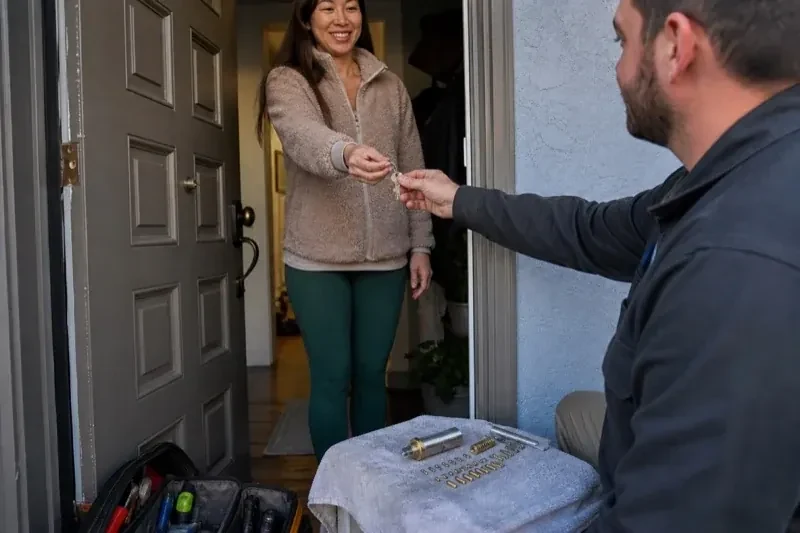
Households in Newbury often collect locks from different decades that all take different keys. We rekey them to a single key where the hardware allows, replace the one or two that cannot be matched, and set up a spare that lives somewhere sensible. You leave with a lighter ring and a clear idea of which key does what.
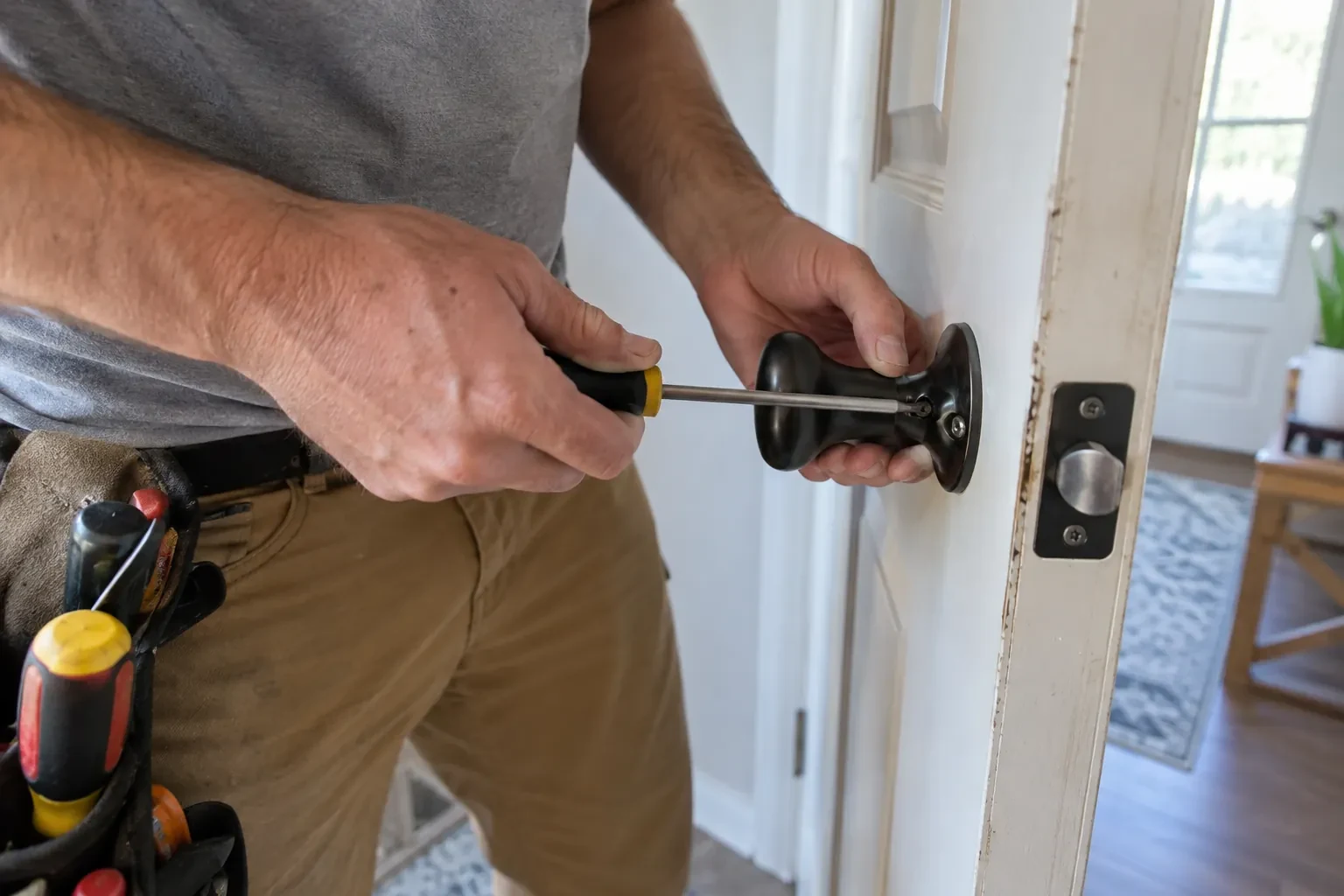
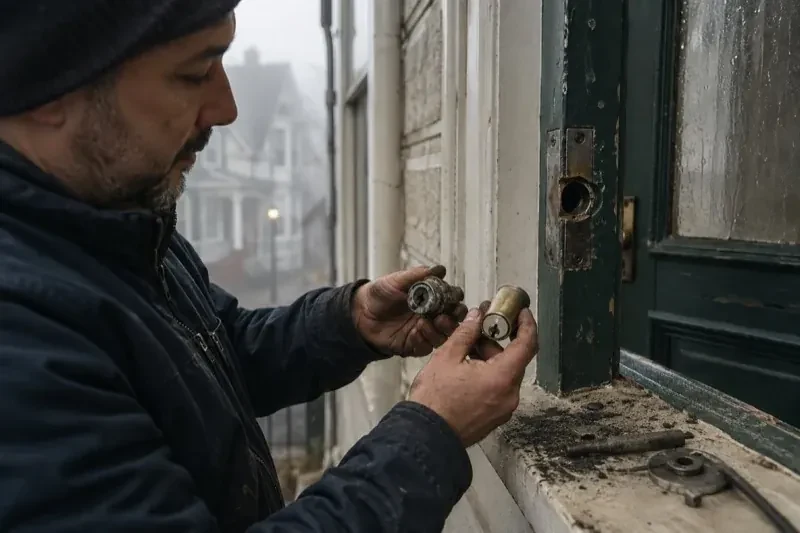
Doors in Newbury take a beating from weather, use and the occasional slammed exit. We repair what can be repaired: worn cylinders, loose handles, strikes that have drifted, latches that no longer catch. When replacement is the right call, we say so and show you the options in your hand. Either way, you end up understanding your own door better.
29years in business
24/7open every day
You know what is happening. From the first look to the last turn of the key, we narrate the job in plain terms. You should never wonder what we are doing to your door.
Suggestions, not pressure. If we think an upgrade would help, we say so once and explain why. If you decline, that is the end of it.
The old parts handled. Removed locks and keys are given to you or taken away as you prefer. Old keys that no longer work are worth destroying, and we will do that if you like.
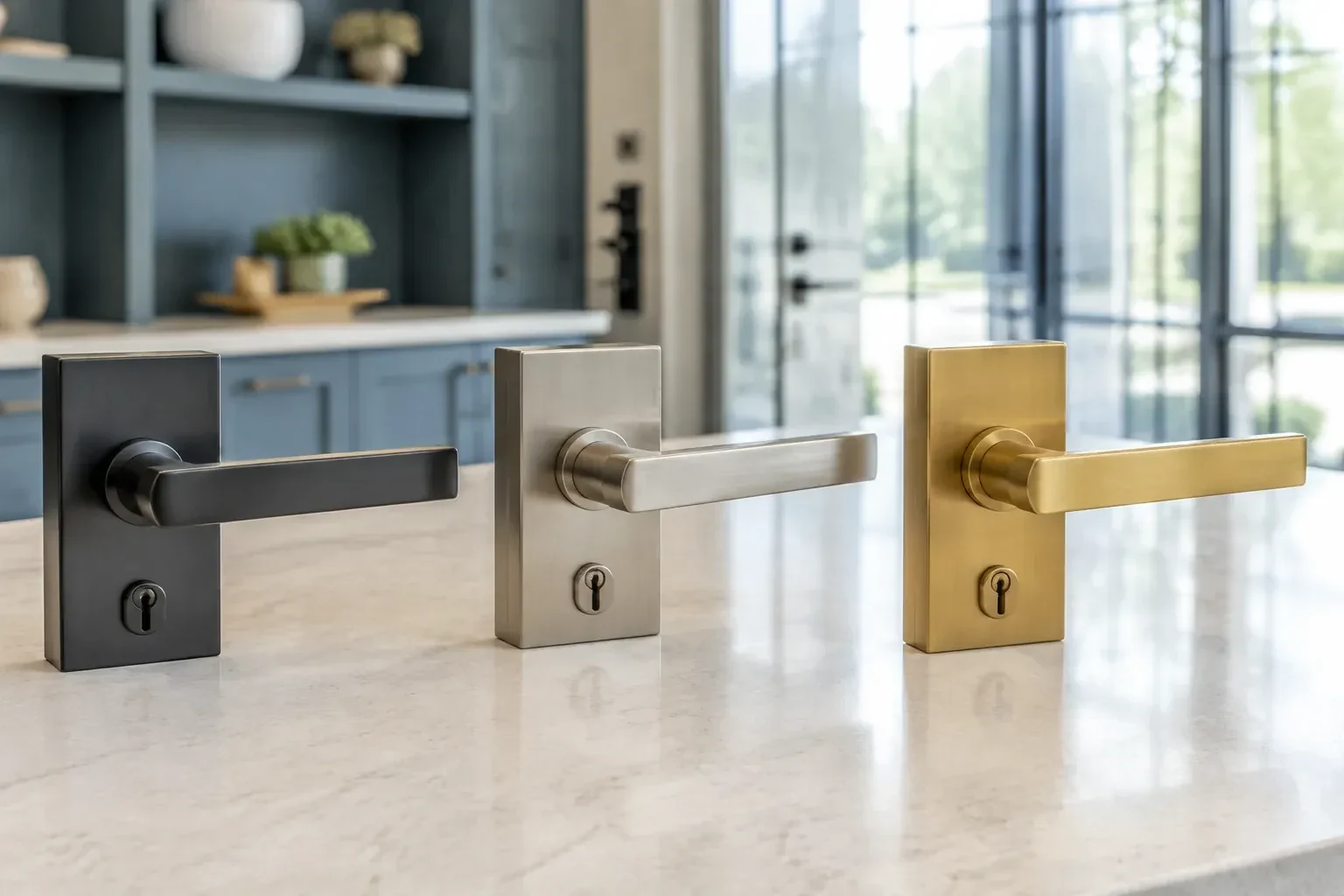
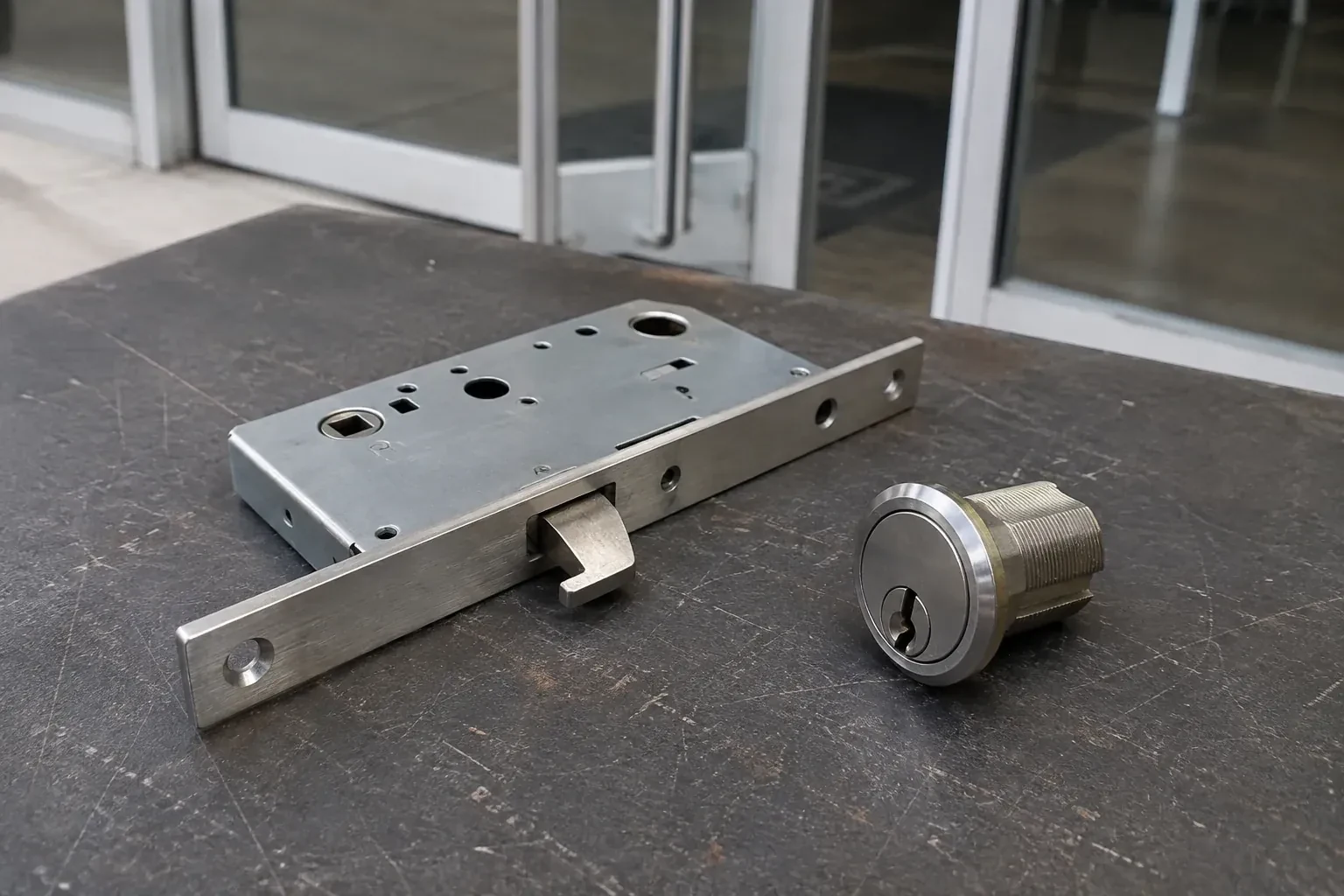
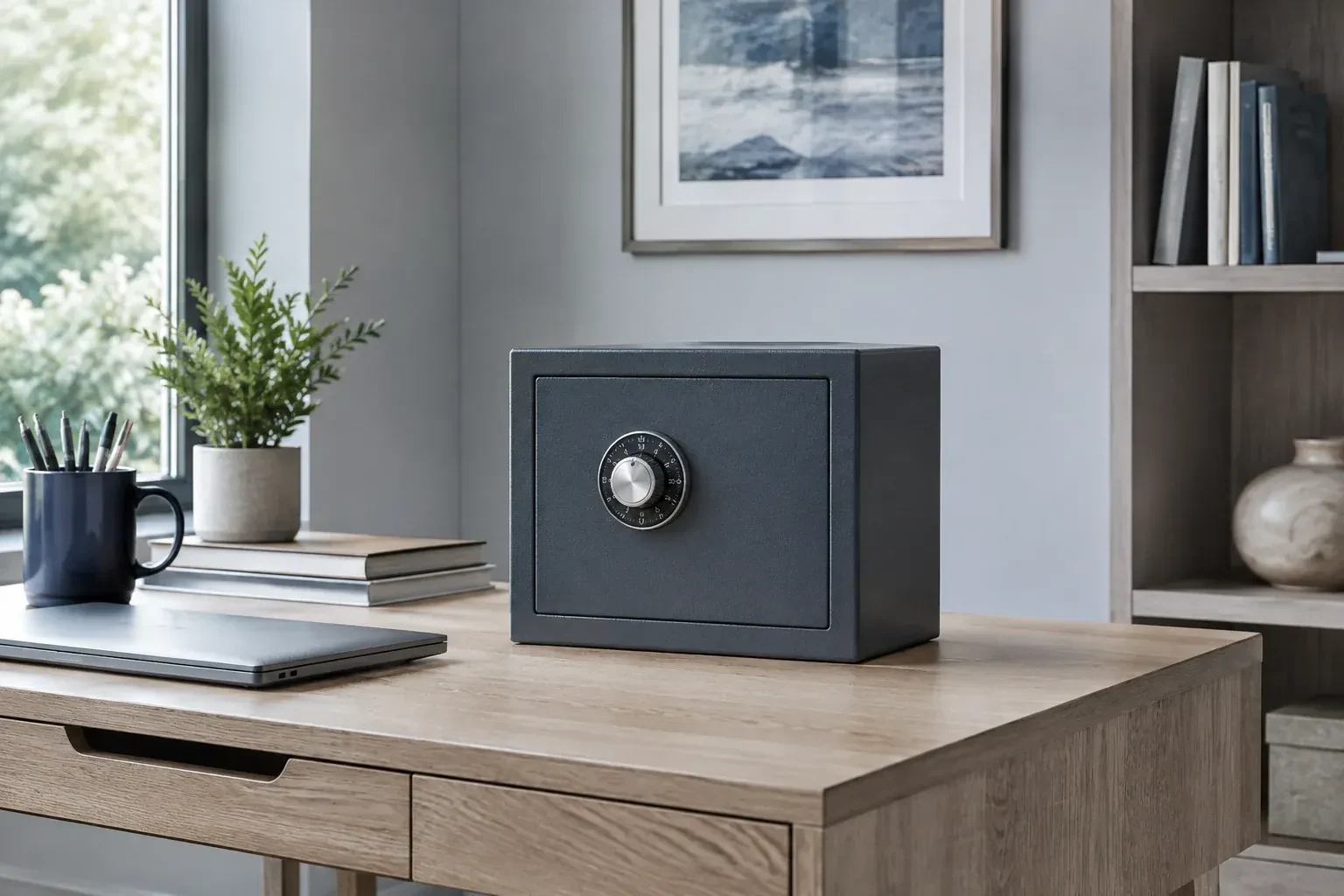
Use this list to find the lock service that fits your situation in Newbury. Openings for lockouts. Rekeys and lock changes for new owners and departing tenants. Deadbolts and high-security hardware for people who want more from their door. Commercial hardware and master keys for businesses. Safes. Keys of every kind.
About 63% of homes in Newbury were built in 1980 or earlier, according to the 2021 Census.
Older homes
Where housing is mostly older, many entries still have only a knob lock and no deadbolt at all. Adding one is a straightforward job on a solid wood door, and it is the single upgrade that changes most for a house of this kind.
Single-detached houses make up about 87% of homes in Newbury (2021 Census).
Mostly houses
Detached houses have their own garages, sheds and gates, and each tends to carry a lock chosen on the day it was needed. A locksmith visiting such a home looks at all of them, not just the front door, and brings the whole property up to one standard.
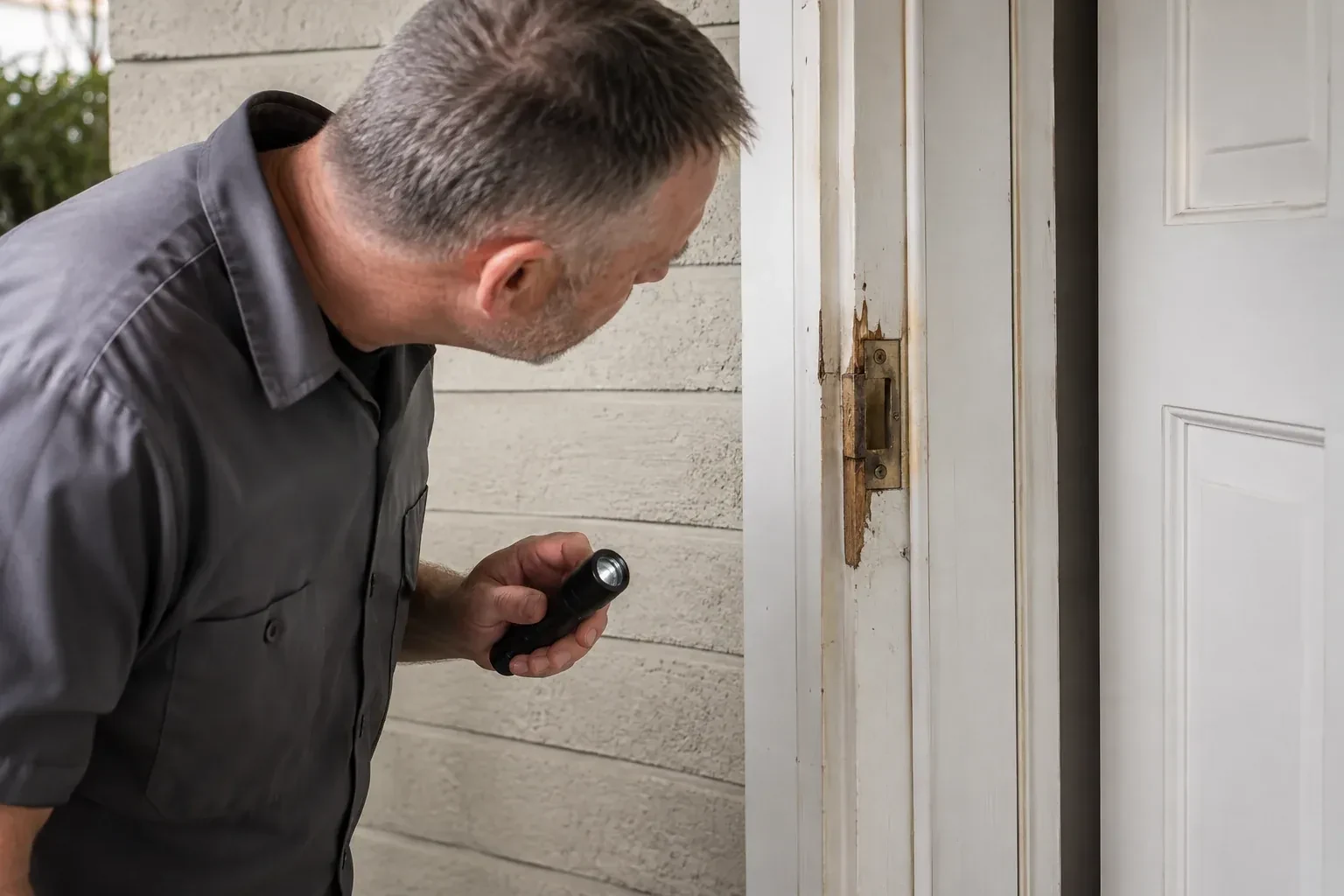
You came home to find the front door standing open. The deadbolt is still thrown, but the strike plate is dangling from one screw and a fist-sized piece of the jamb is lying on the hall floor.
One key for the front door, another for the back, a third for the side door into the garage, and a fourth for the shed. You stand on the step every evening flipping through them in the dark, trying each one until something turns.
You moved in three weeks ago. The previous owner left a handful of keys, none labelled, and the bolt on the side door rattles in its housing. You would like every exterior door to bolt, and to know exactly who can open it.
The key turns freely in the round cylinder on the door, all the way around and back, without the bolt shifting at all. The cylinder itself wobbles slightly when you press it, as if it has come loose inside the door.
The rental turns over every few months and each time you drive across town to swap keys, then wonder whether copies were made. A lock with codes you can set and erase from your phone would end that cycle.
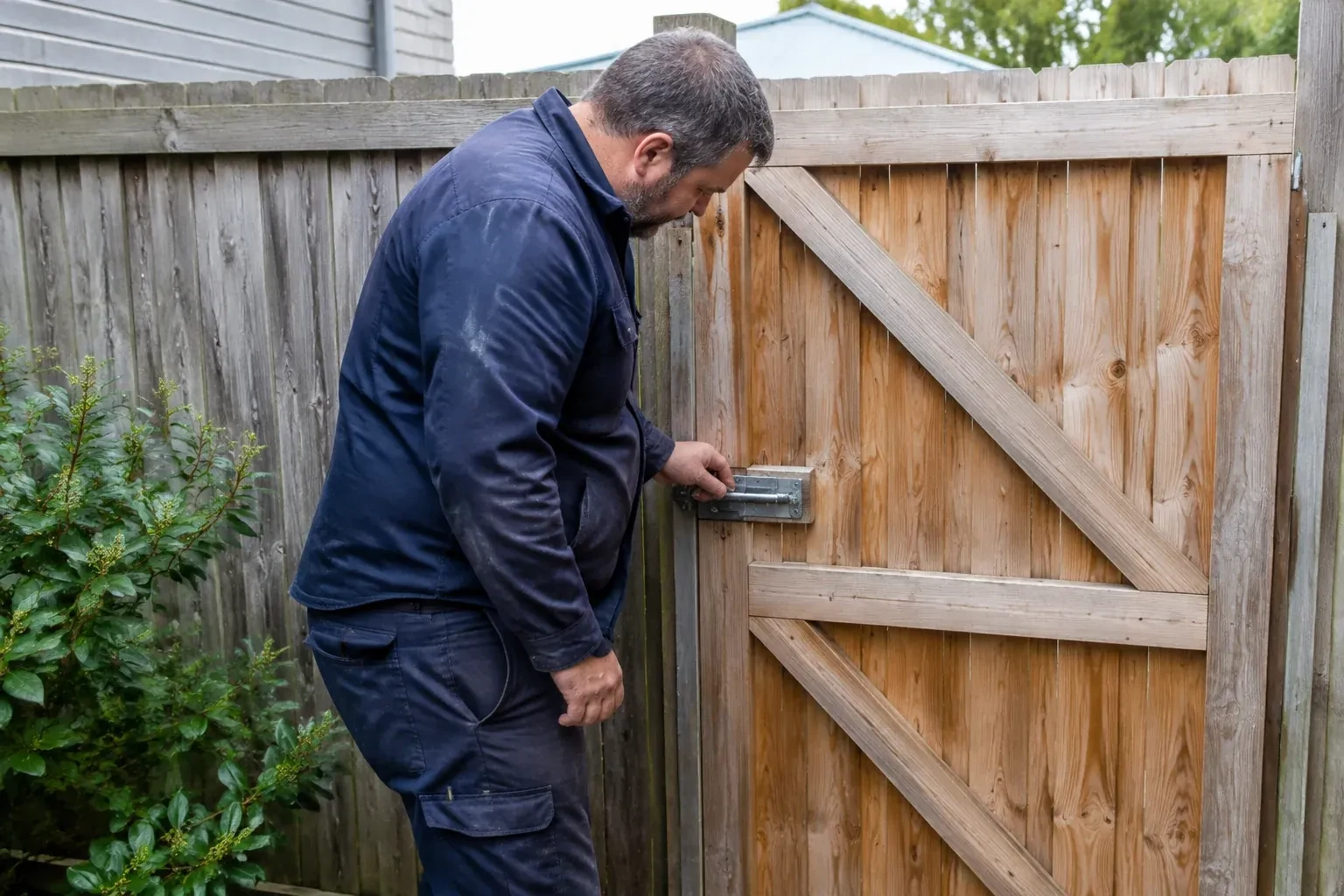
The gate to the side yard used to close with a satisfying click. After a winter of frost heaving the fence post, the latch now sits a full inch below where the strike is waiting for it, and the gate swings free no matter how hard it is pulled shut.
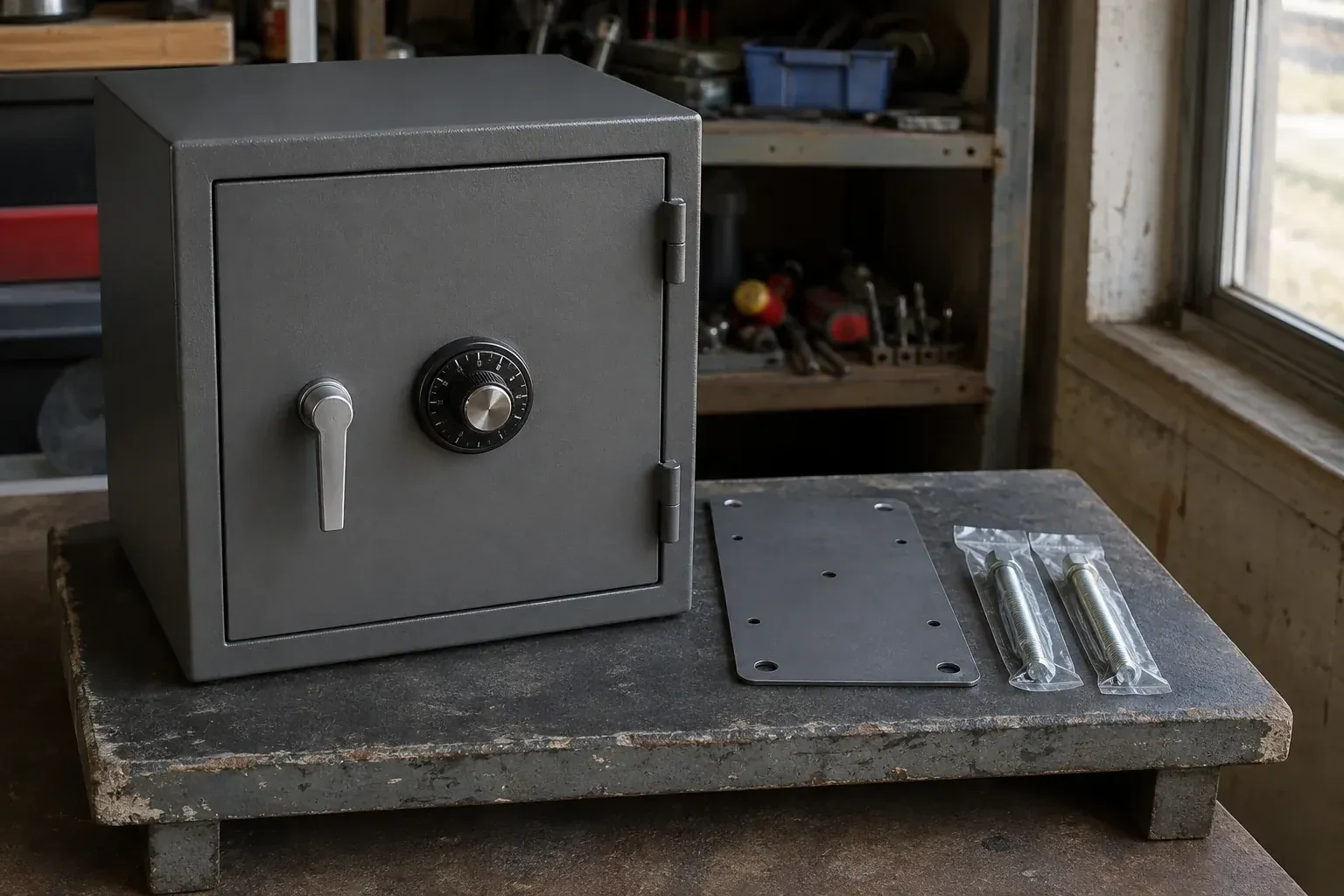
Behind the filing cabinets sits a heavy floor safe nobody ever bolted down, left exactly as the last owner set it. It opens fine, but a determined pair of hands could simply tip it into a van.
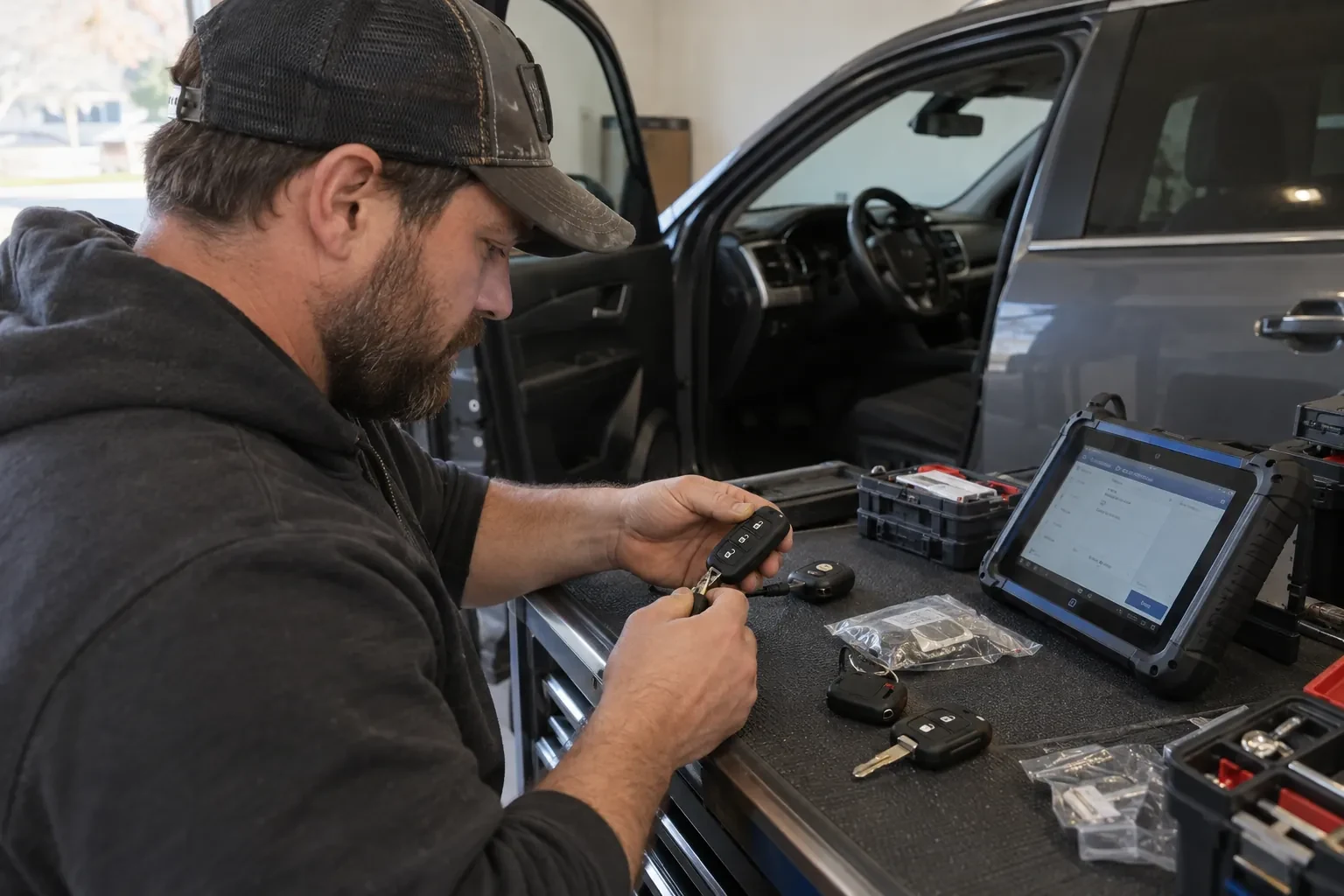
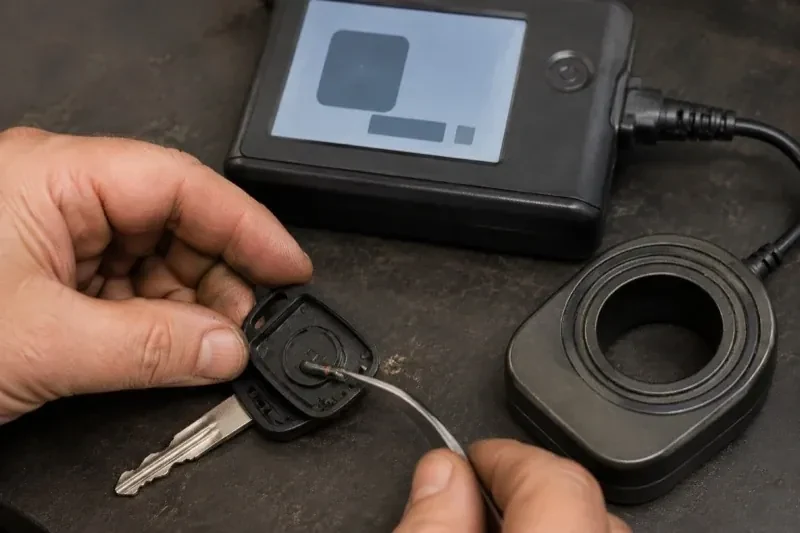
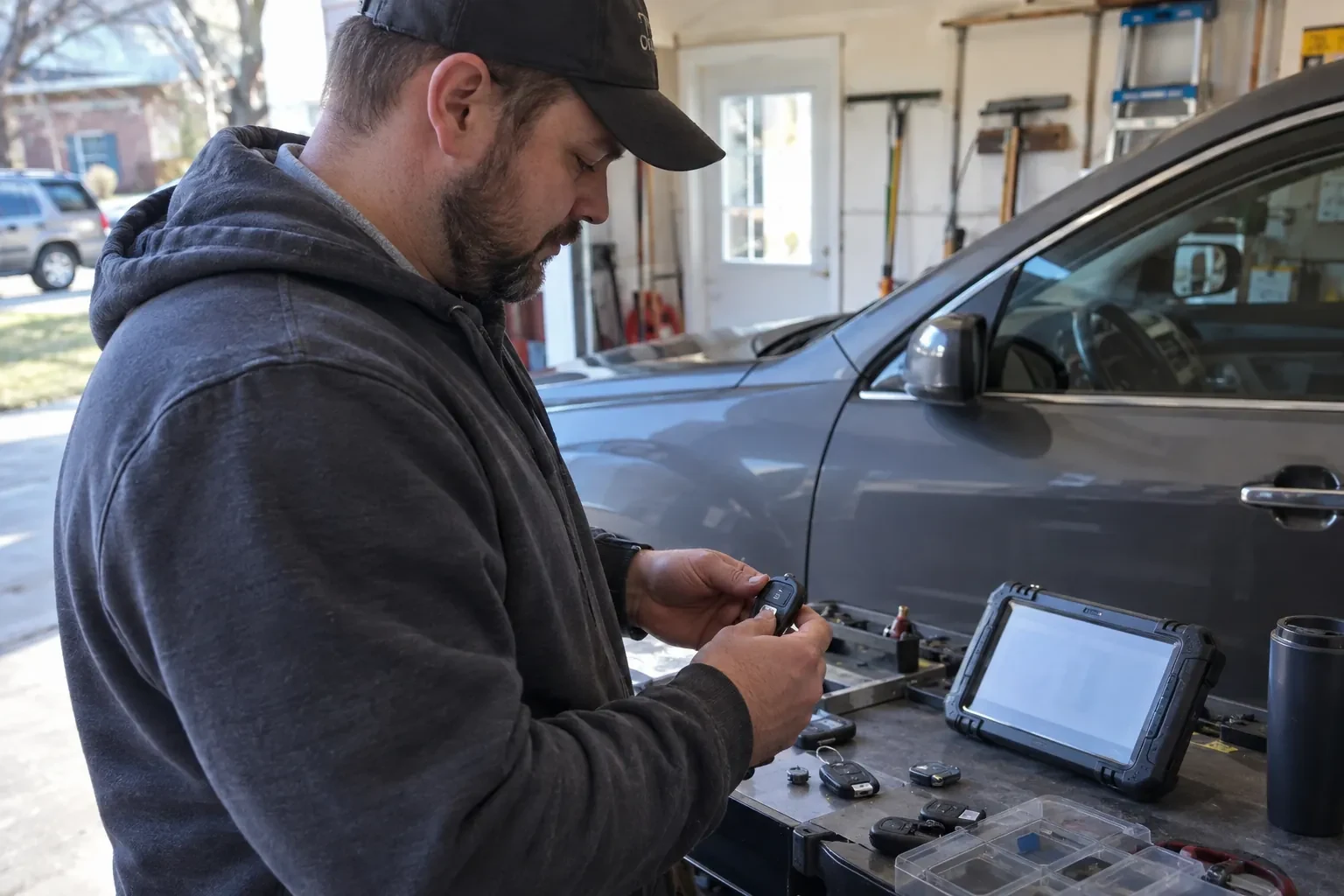
Every key that ever opened the car is gone at once, one taken with a stolen bag, the spare misplaced months ago and never replaced. There is no working key left anywhere in the house, the garage, or a coat pocket, and the car sits exactly where it was parked.
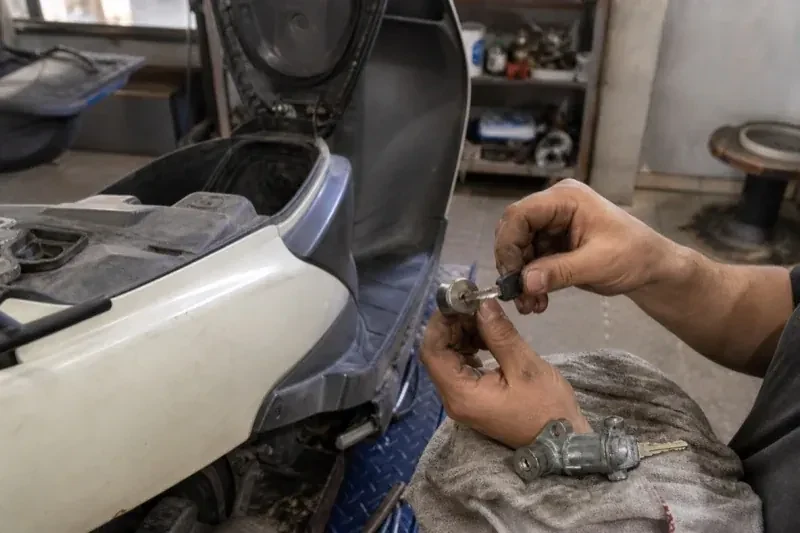
You dig through every jacket pocket and the tank bag twice, but the ignition key that always sits on the same ring is nowhere to be found. The bike sits exactly where you parked it, and nothing in reach will turn that lock.
Warehouses and industrial units have wide doors, rolling shutters, padlocks on yard gates and cylinders that face the weather all year. Commercial work here is about hardware that holds up outdoors and a key plan that works for shift crews.
A safe sat in a late parent's basement for years, its combination known to nobody left in the family, and everyone would like to know what is actually inside it.
A homeowner inherited a heavy old dial safe from a parent's house, moved it into the new place, and has no idea whether the bolt-work still works, whether the lock is sound, or how it should be anchored.
Which fix fits?
You came home to find the front door standing open.
WhyWhen every key for a vehicle is genuinely gone, there is nothing left to vouch for a new one, so the visit starts by re-establishing secure access to the immobilizer's own module, sometimes through the vehicle's manufacturer network.
You dig through every jacket pocket and the tank bag twice, but the ignition key that always sits on the same ring is nowhere to be found.
WhyThe visit follows a steady order regardless of what caused the missing key.
How a visit goes
Describe the property, the hardware and what has changed, and the visit starts from what you have seen.
1
2
3
01
Verifying the caller
We ask for something that ties you to the premises: a lease, business card, or a call to the owner. Opening a shop for the wrong person is not a risk we take.
02
Getting the door open
Storefront and office locks vary, so we choose the approach that leaves the hardware intact wherever possible. If the lock itself has failed, we tell you before opening it.
03
Getting you back to trading
Once inside we check the lock, cut keys if needed and note anything that should be addressed later so your day can carry on.
Someone reached through the sidelight to turn the thumb-turn. Should I fit a deadbolt keyed on both sides?
It is tempting, but a thumb-turn lets everyone in the household leave by that door without hunting for a key, special device or special knowledge, so a keyed inside cylinder is the wrong fix. Better answers are a tested security-film system or laminated glass in the sidelight to slow an arm from passing, moving the deadbolt beyond arm's reach of the glass where the door allows, and a glass-break sensor if you have an alarm.
Will I need to prove I own or rent the home?
Yes, and it is a welcome part of the job. Rekeying decides who can enter, so the locksmith confirms the person asking has the standing to make that decision. For an owner that means photo identification alongside a document that links them to the property, for instance a property tax notice or the closing statement. A manager brings the owner's written authorization. A tenant mentions that the landlord has agreed and will be given a key, since tenancy rules here expect both to hold one.
What about glass beside the door or a window in it?
Glass within reach of the lock is the one case where a plain thumb-turn deserves thought. Options include a captive thumb-turn that turns freely until you remove its small key, laminated glass or a tested security-film system with its specified frame attachment, or simply setting the bolt farther from the glass. Lock manufacturers describe sidelights as a weak point, so the locksmith measures the reach and lays out the choices rather than defaulting to a key on the inside.
How should I look after the lock once it is serviced?
A drop of the right lock oil into the latch and bolt once a year is plenty. If the lock has a pin-tumbler cylinder, use whatever lubricant that cylinder's maker specifies, since some take a dry graphite or PTFE product and others a specified liquid one. Try the latch and deadbolt each spring and fall; if the bolt starts to scrape, the strike wants a small adjustment before anything is strained. Keep bit keys out of a pocket where they bend.
I rent. Can I have a smart lock installed?
Yes, with your landlord's agreement first. Tenancy rules in this province expect a tenant to have the landlord's consent before changing a lock, and expect the landlord to have a working way in, so the sensible route is a short conversation and a note of what will be fitted. A retrofit model that mounts inside and keeps the existing exterior lock and key is often the easiest thing for a landlord to say yes to, since the door is unchanged from outside.
Someone tried to force our gate open. What happens now?
The locksmith first looks over the damage without disturbing it, noting pry marks, a bent strike or a cylinder that has been scored or spun, since that record is useful to have regardless of what else follows. Any hardware that was compromised is replaced rather than trusted, and a weak point the attempt exposed, such as an undersized hasp or a strike with too little bite, is addressed at the same time so the same approach would not work a second time.
Can more than one person have their own code?
Yes, on an electronic keypad that supports multiple users, each person can be given a separate code rather than everyone sharing one, which also makes it simple to remove a single code later without resetting the whole lock. A mechanical dial lock, by contrast, has one combination for everyone who needs it, so a change in who has access there means changing that one combination.
Can a push-button, proximity-style key be programmed the same way?
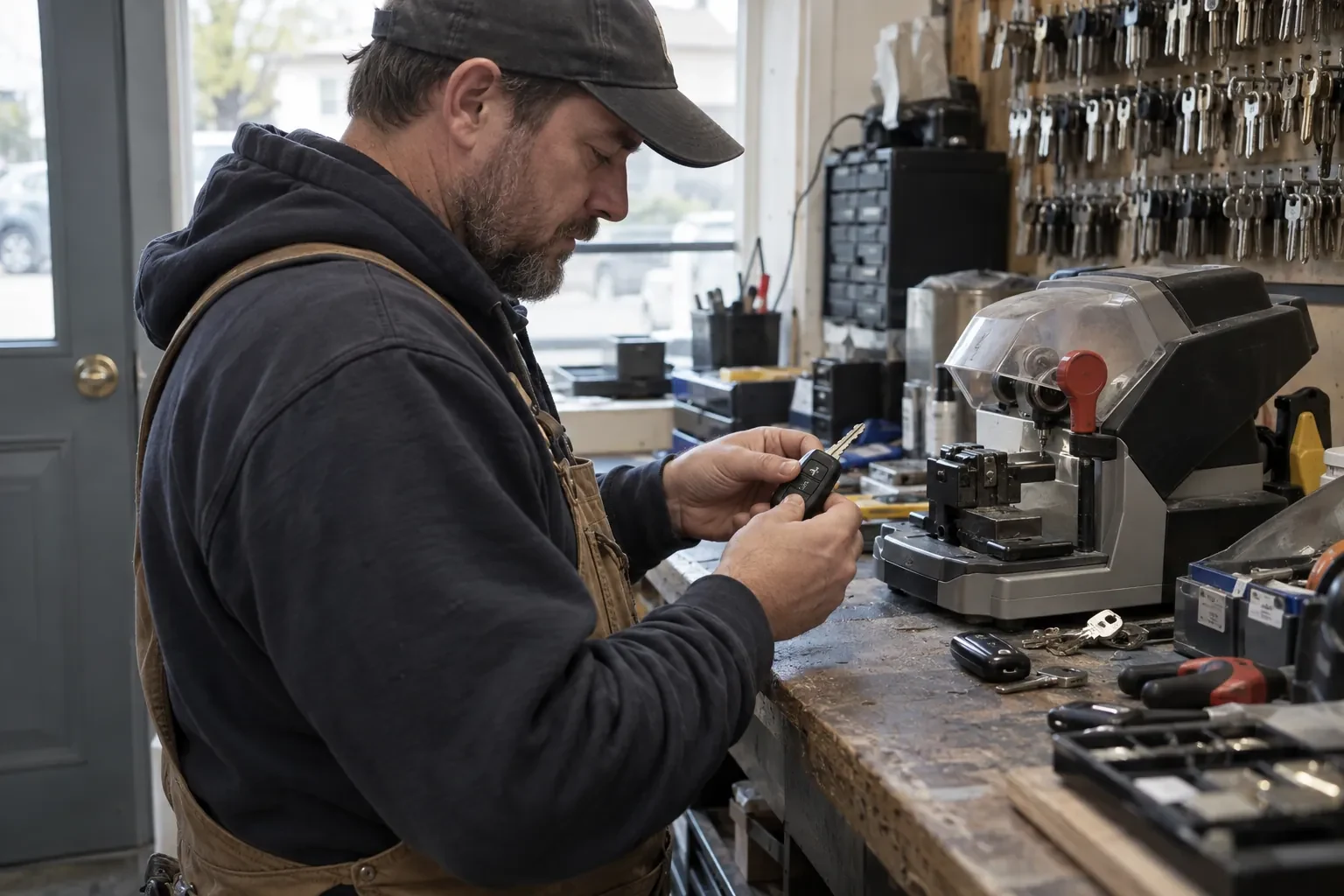
Yes, though there is usually more to pair afterward: the proximity functions that let the vehicle detect the key nearby, alongside the same immobilizer identity a traditional transponder key would carry. The visit still ends with the same test, confirming the engine starts and the vehicle recognizes the key at a normal walking distance.
Could a key from one motorcycle ever accidentally open a different one?
It is uncommon but not impossible, since wafer locks have a limited number of combinations and manufacturers reuse keyway profiles across models. This is one reason manufacturers space their depth increments further apart than the lock's tolerances strictly require, to cut down on accidental matches. It is also why a locksmith reads the specific lock in front of them rather than assuming a key that looks similar will behave the same way.
Request a visit
Households in Newbury often collect locks from different decades that all take different keys. We rekey them to a single key where the hardware allows, replace the one or two that cannot be matched, and set up a spare that lives somewhere sensible. You leave with a lighter ring and a clear idea of which key does what.