Car keys · Strathroy-Caradoc
Car Key Replacement
The engine cranks, catches for a second and dies, and a small key-shaped light keeps blinking on the dash.
In plain words
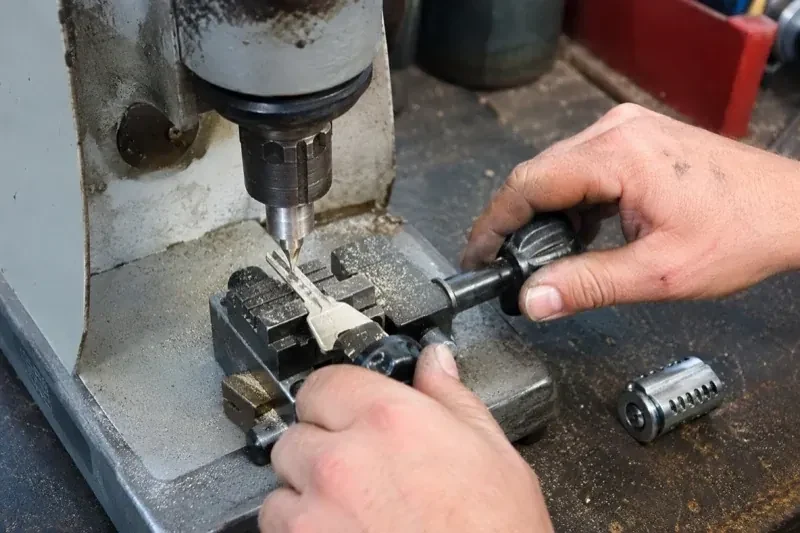
Car key replacement means producing a key that works your specific vehicle when the original is lost, broken, stolen or no longer recognized. On many modern cars that is more than cutting metal: the blade fits the locks, a transponder is taught to the immobilizer before the engine will run, and any remote or proximity function is paired separately; some current vehicles instead use a phone key or key card with no cut blade at all. An automotive locksmith confirms your entitlement, identifies the exact key system from the VIN, cuts the blade to code, programs the electronics and tests every function before handing it over.
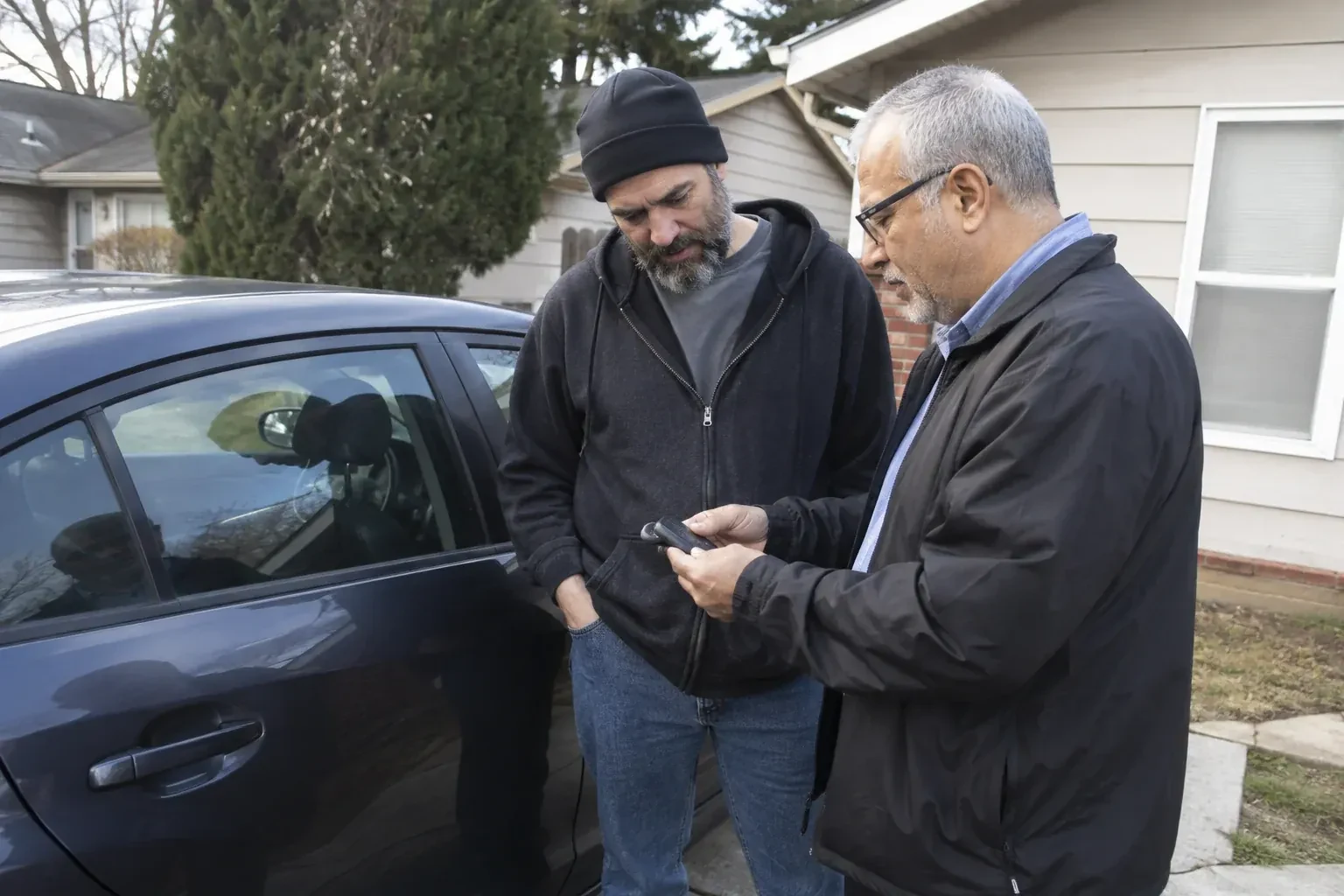
How the visit goesMinus twenty outside, the fob button does nothing, and the door keyhole has a crust of road salt over it because you have not used a metal key in that car since the day you bought it.
Car Key Replacement
How the visit goes
What is left of the old key
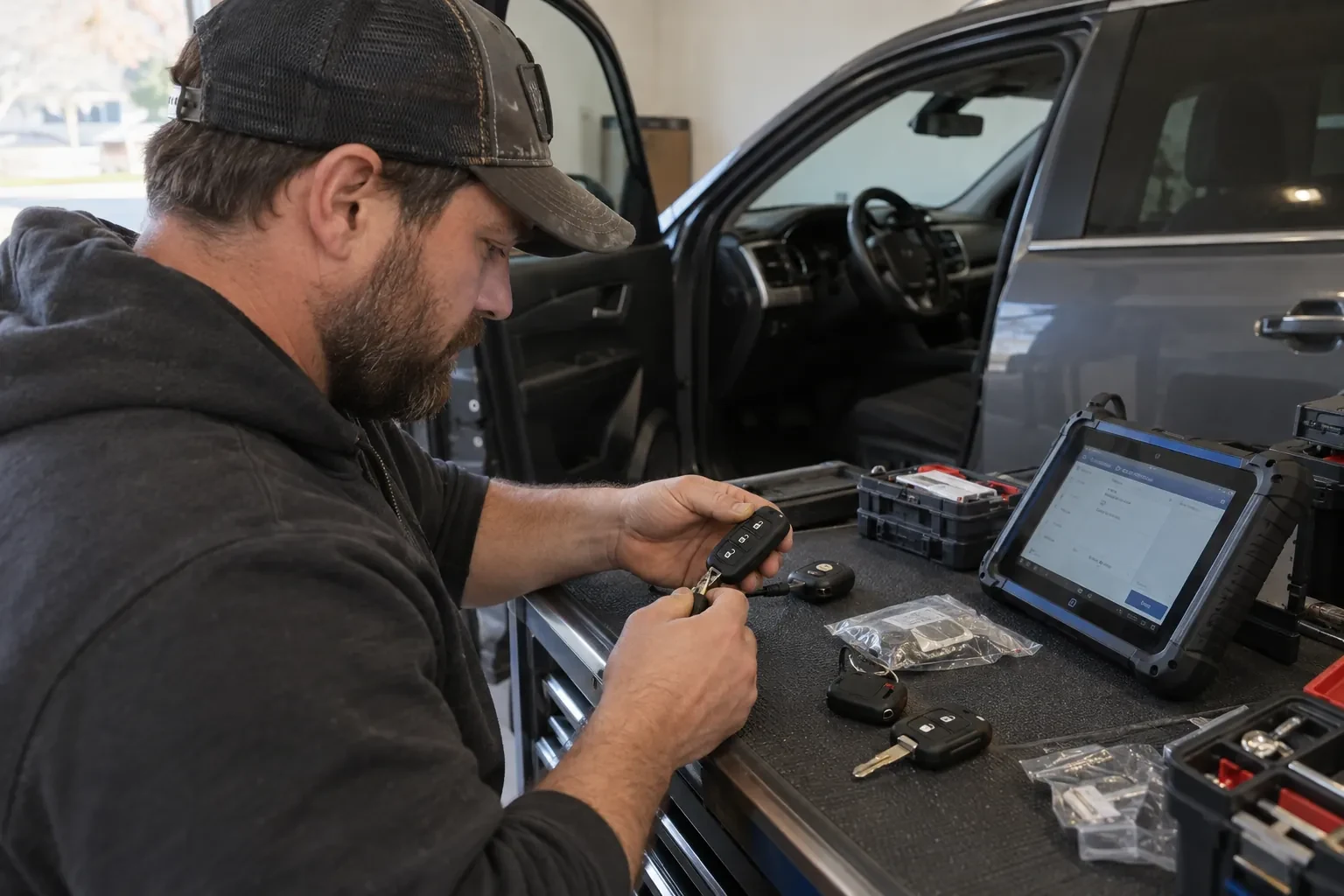
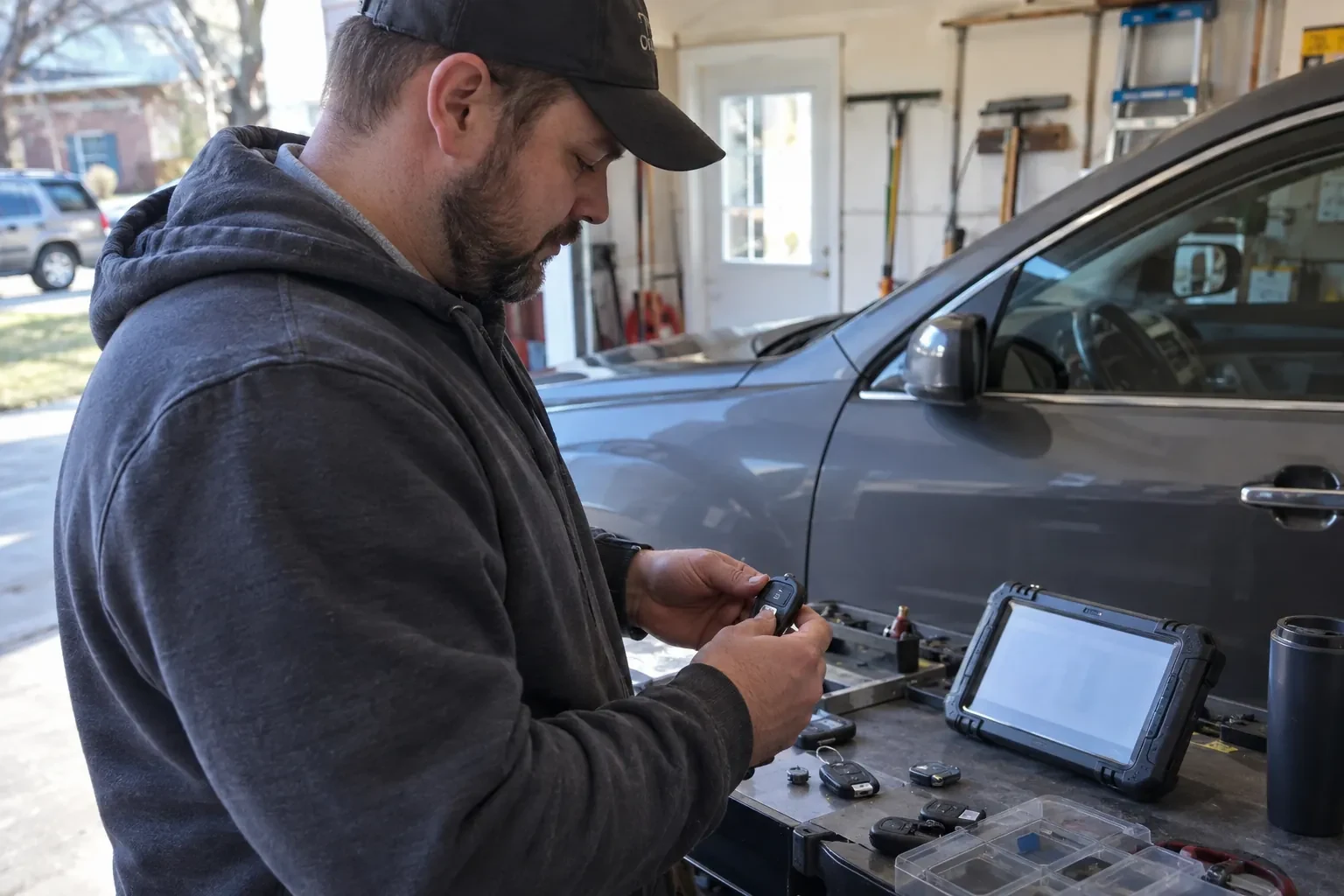
A damaged key is examined before anything is ordered, because its parts may be reusable. A cracked shell often still holds a healthy circuit board and transponder; those can move into a new case with a freshly cut blade, and no programming is needed. A snapped blade with an intact head keeps its chip and remote. A key that went through the wash may have lost the remote but kept the chip, since the transponder has no battery of its own. Sorting this out with a battery test and a chip reader decides whether you need a shell, a blade, a remote, or a complete new key.
All keys lost: reset first, then reissue
When nothing remains, the sequence changes. The car is opened, the blade is produced from the lock or the code, and then, where the system supports it, the immobilizer memory is reset so every stored key is erased; others follow their own maker-specific route instead. New keys are then registered one after another, and registering two gives the car a spare from day one. On some vehicles this stage needs a longer security timer or manufacturer data, which is arranged in advance. The old keys, wherever they are, are now unknown to the car. Each new key is then started and driven a short distance to confirm the reset held.
Ownership paperwork kept in order
The visit closes with your documents back in your hands and a copy of the authorization record kept by the locksmith, which is the industry's way of tying every key made to a named owner and a VIN. It is a good moment to check that the vehicle permit is current and in your name, especially after a private purchase, since the ownership transfer is what makes future key service straightforward. Keep the permit in your wallet or with your licence rather than in the glovebox next to a spare key, so a break-in gives nobody both the car's identity and a way to drive it.
Car Key Replacement
In the van
Proximity fob with emergency blade
Code-cutting machine
Vehicle battery maintainer
Fob coin-cell battery
Remote frequency tester
Car Key Replacement
What affects the quote
Condition of the locks and ignition
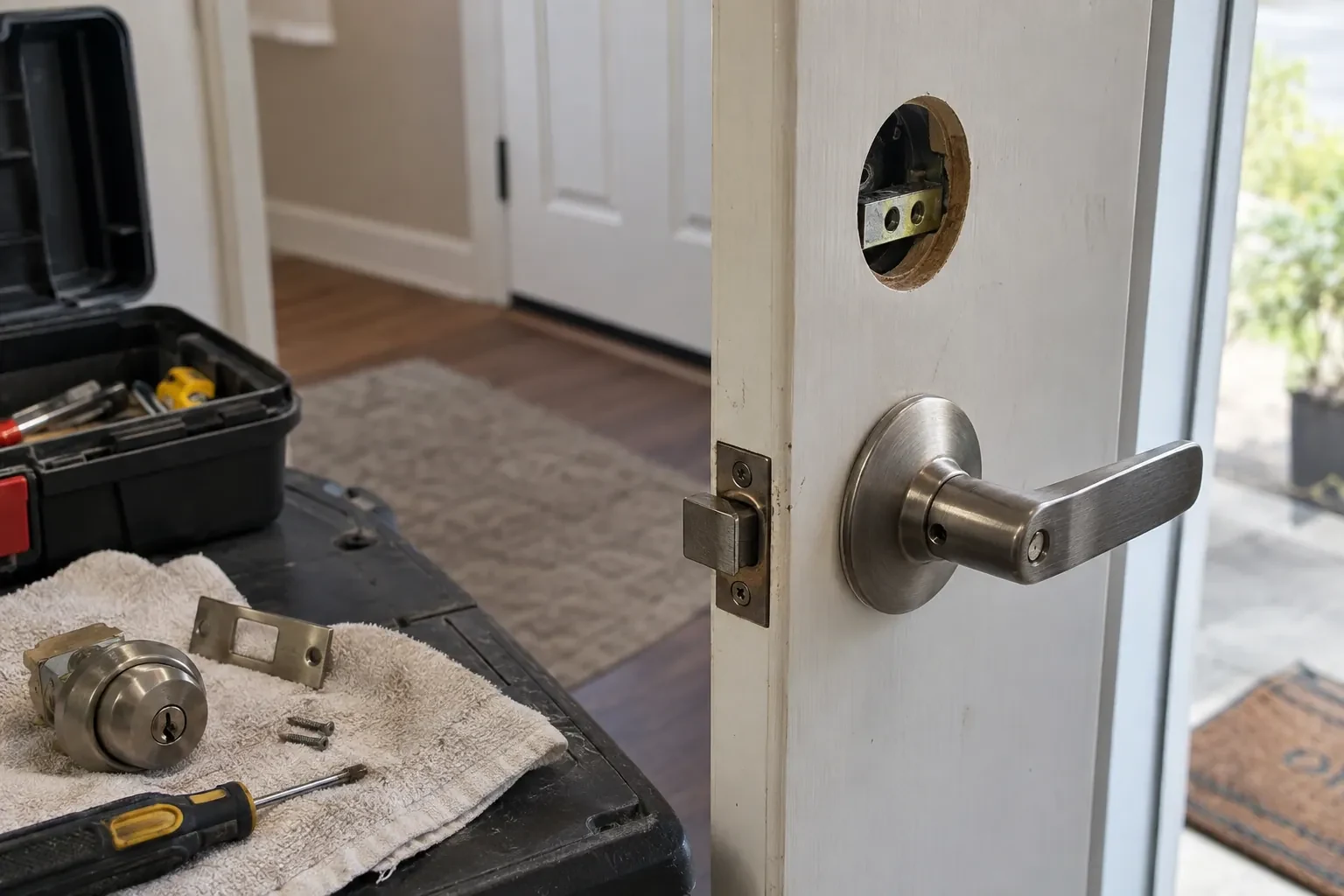
A door cylinder seized with salt or an ignition with worn wafers may need freeing, servicing or rebuilding for the new key to feel right. That work is quoted as its own item alongside the key.
Erasing the keys you no longer hold
Removing lost or stolen keys from the immobilizer during the session is a small extra step, and re-registering the keys you kept follows it. If you want the old keys silenced, say so and it is quoted.
Year, make and model
The vehicle decides the blank, the chip and the programming route. A twenty-year-old sedan with a plain transponder key and a recent proximity-start model are different jobs, and the quote follows the VIN rather than a flat figure.
What to have ready
- Has the car's battery been flat or disconnected recently?
- Where is the car parked right now, and is it locked?
- Is the car registered in your name, leased, or owned by a company?
Car Key Replacement: questions
QuestionsCan you make a key for a car with push-button start?
On many vehicles, yes: a proximity fob is registered to the vehicle through the diagnostic port in much the same way as a transponder key, and then tested for passive entry at the handles and for starting with the fob in a pocket. Other systems pair a proximity fob through onboard, app-based or dealer-only steps instead. The emergency blade tucked inside the fob is cut to the door lock so you have a mechanical way in, and the VIN check reveals in advance which route a given vehicle needs.
My key needs a wiggle in the ignition. Will a new key help?
Often, yes. A key that has been copied from copies or worn thin over the years lifts the wafers to the wrong heights, and a fresh blade cut to code restores the fit. If the wiggle continues with the new key, the wafers in the ignition cylinder have worn as well, and that cylinder can be overhauled so both the old and new keys turn cleanly. The locksmith checks the cylinder during the visit and tells you which it is.
What is a transponder key, and does my car have one?
A transponder is a small chip in the head of the key with no battery of its own. When the key is in the ignition, or the fob is inside the cabin, the immobilizer sends a signal and the chip answers with a code; if the code is unknown, the engine is prevented from running. Every new light vehicle sold in Canada since September 2007 has been required to have an immobilizer, so almost any car from that time on uses one.
Related services
- Spare Car Key DuplicationA lockout last month ended with a locksmith opening the door and going home, and the same single key has been carried ever since with nothing behind it.
- Key Fob ProgrammingA cracked case or a spin through the wash left the fob unresponsive, and opening it up reveals a slightly corroded board where the buttons used to sit.
- Transponder Key ProgrammingSince the remote starter was installed last month, the original key has started acting strangely, the car catches on the first turn some mornings and refuses outright on others.