Car keys · Strathroy-Caradoc
Car Lockout Service
You dropped the duffel bag in the trunk, closed the lid with your elbow, and heard the keys land inside a heartbeat too late.
In plain words
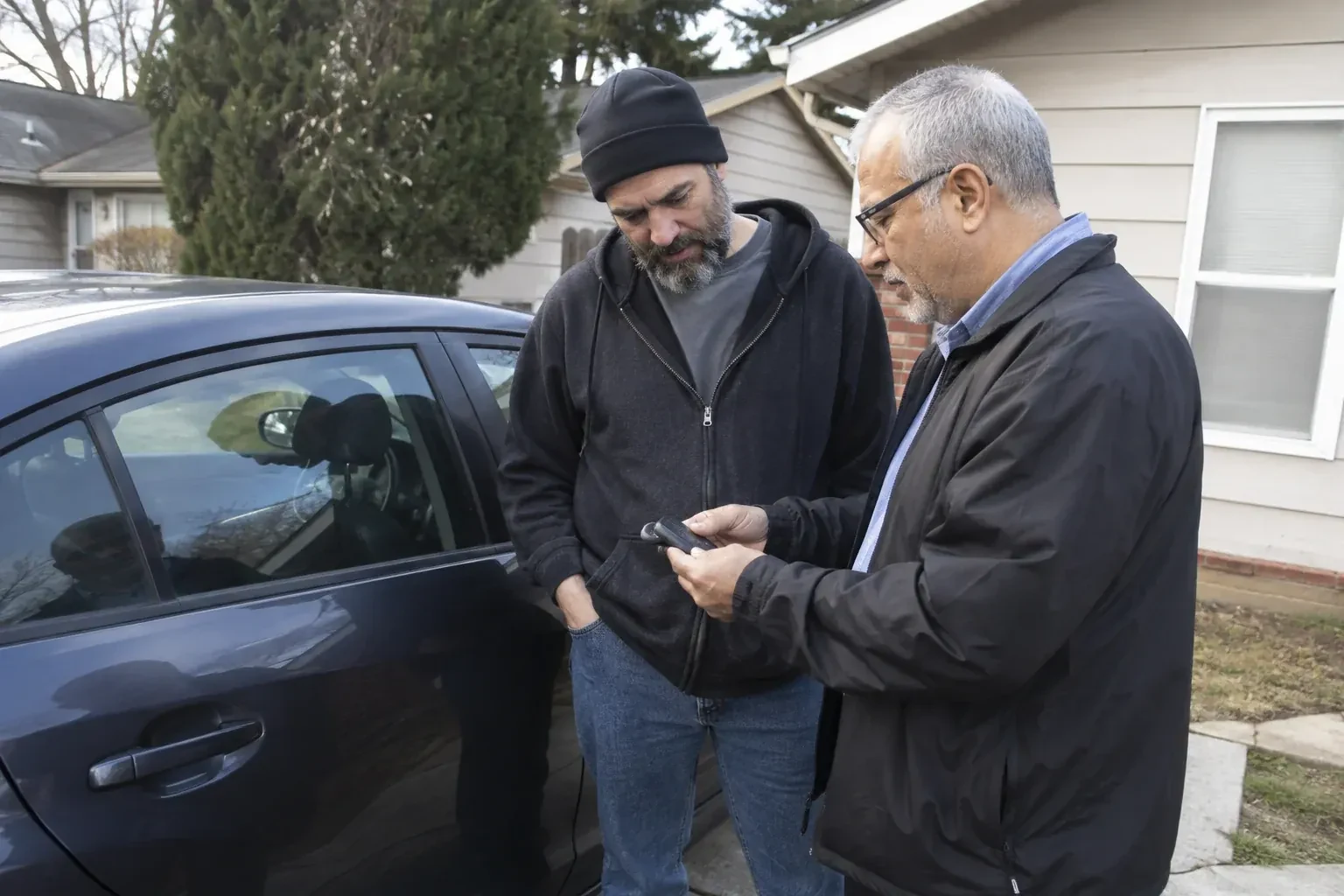
Vehicles have changed, and so have the ways of opening them. An older car with an exposed door cylinder is picked or decoded much like a house lock. A modern car with keyless entry may hide its only cylinder under a cap on the driver's handle, and its doors carry side-airbag sensors and wiring that improvised tools can damage. Push-button cars add an immobiliser and a fob that must be recognised before the engine turns. A car lockout locksmith reads all of this from the make, model and year, then chooses a wedge-and-reach opening, a matched decoder pick, or the mechanical cylinder, whichever leaves the car untouched.
How the visit goesYour toddler is buckled in the back seat, the doors locked when you shut yours, and your keys are on the front seat beside your phone. It is hot, the child is starting to fuss, and you need help this minute, not a discussion.
Car Lockout Service
How the visit goes
Reading the make, model and year
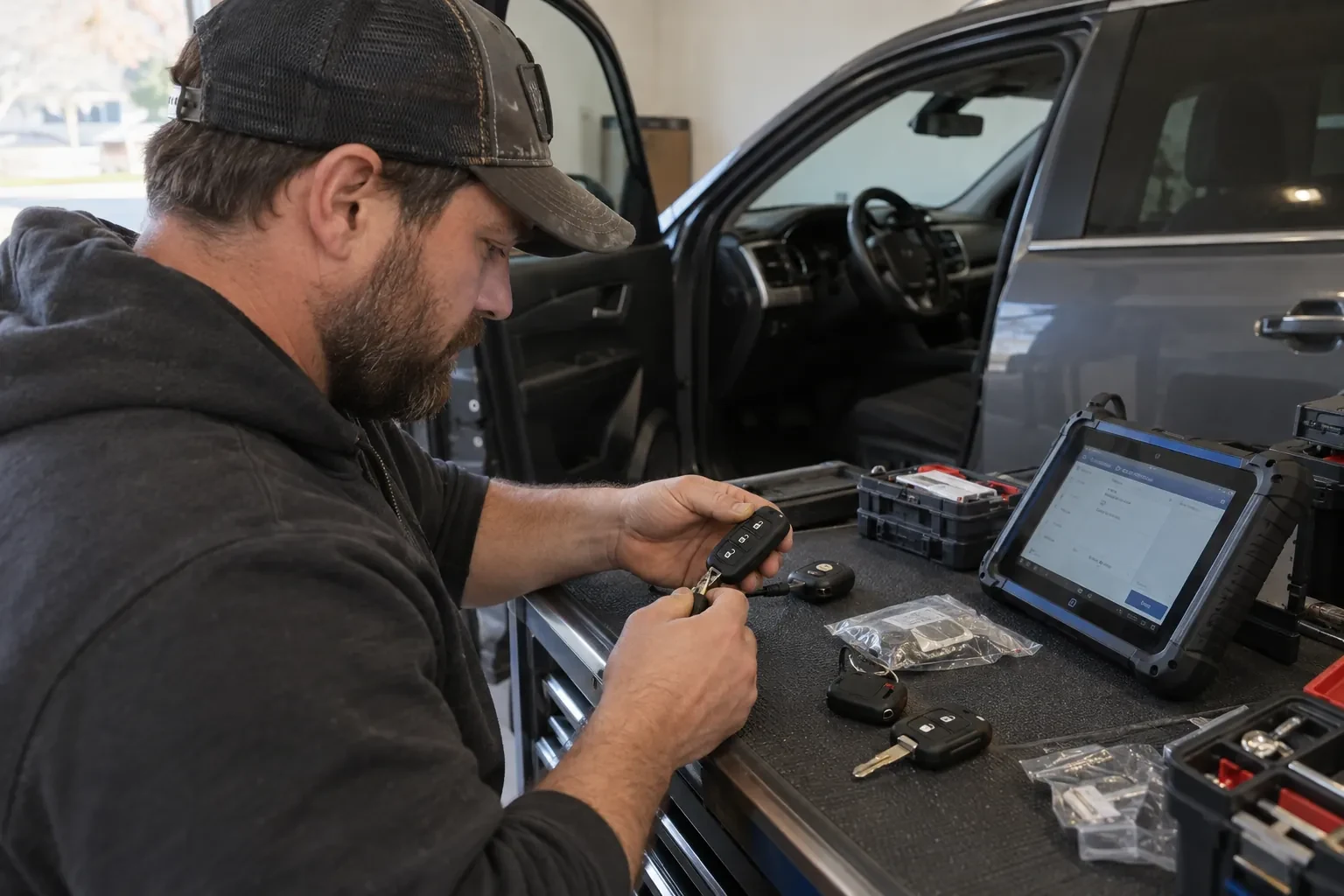
Cars from different decades open in different ways, so the vehicle's age and type are the next thing weighed. An older sedan with an exposed cylinder in every door is picked or decoded like a house lock. A newer car may have a single cylinder hidden under a small cap on the driver's handle, doors dense with wiring and airbag sensors, and an immobiliser that expects a recognised fob. Some vans and trucks use a separate cargo lock system. A locksmith who knows the model chooses between wedge-and-reach, a decoder pick matched to that keyway, or the mechanical cylinder before touching the car.
Making a key when the keys are gone
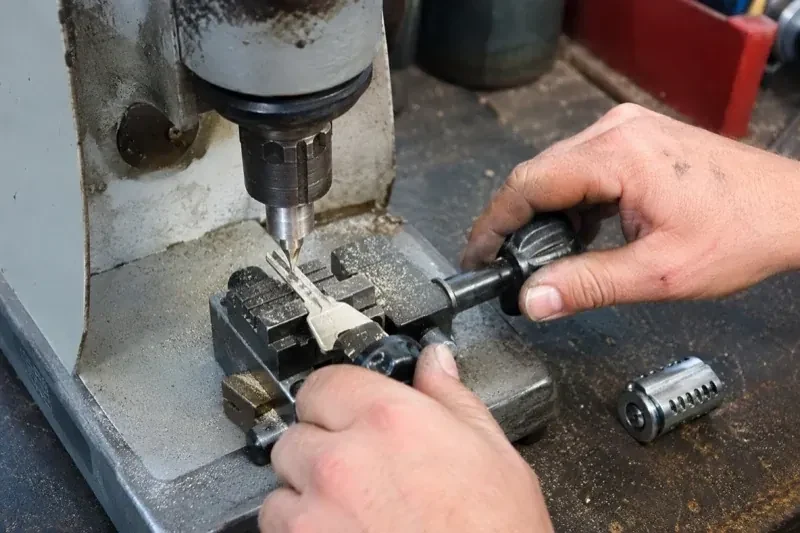
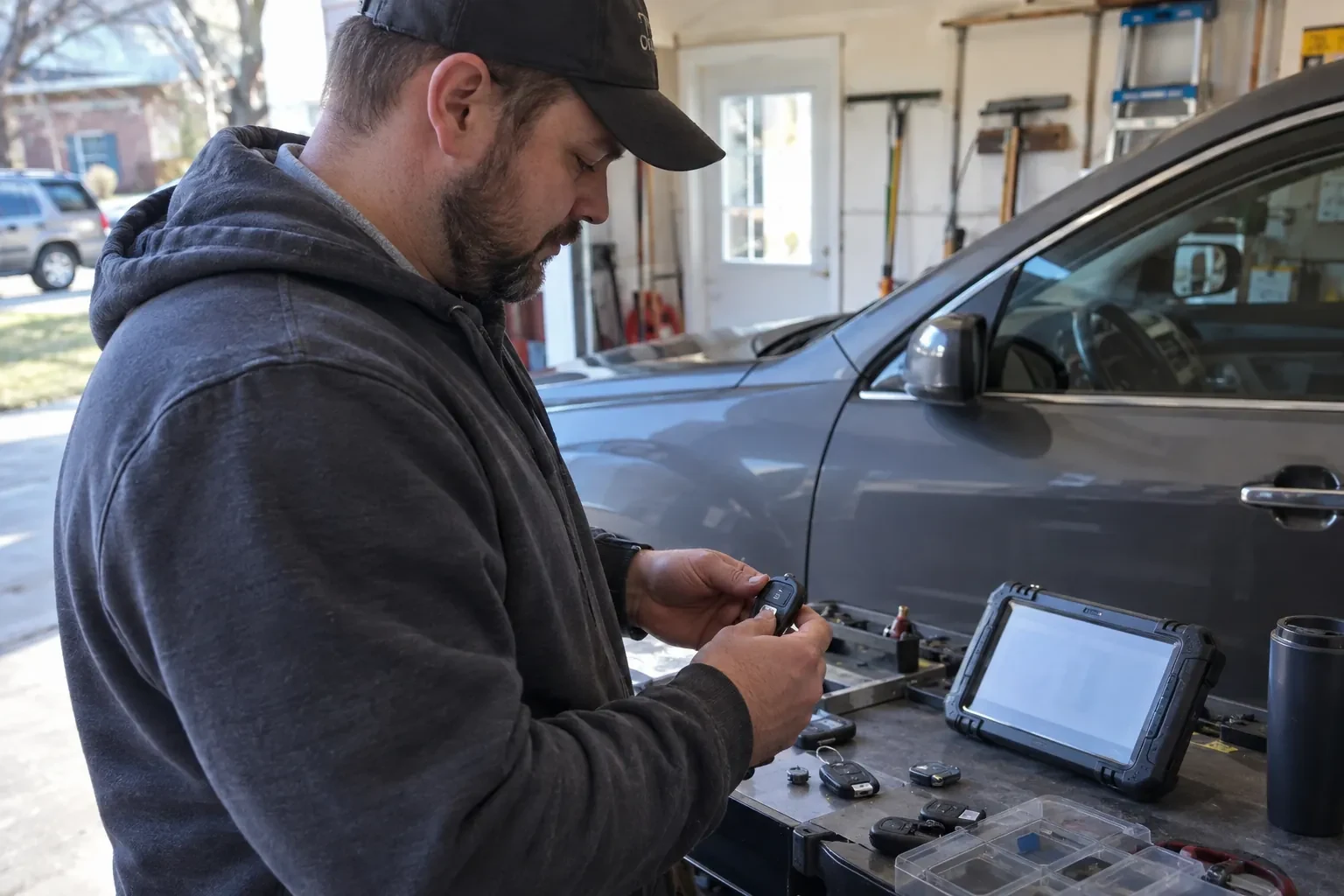
Lost keys turn the visit into two stages. First the car is opened without damage. Then the locksmith produces a working key: the door cylinder is decoded to read the mechanical cuts, or the key code is drawn from the vehicle's records against your proof of ownership, and a blade is cut on the machine in the van. A transponder key or fob is then programmed where the vehicle's own security system supports it, sometimes needing manufacturer credentials or a different procedure, and where the vehicle allows, the lost keys are erased so they no longer start the car. You leave with a key that unlocks, starts and locks, tested at the roadside.
Door, glass and seals checked over
A careful opening leaves nothing to repair, and the last look confirms it. The door edge is inspected where the guards sat, the top of the frame is checked for the faintest bow, the window is run up and down to make sure it tracks cleanly, and the seal is examined for any lift or tear. Anything that was already there before the visit was pointed out at the start and is confirmed now. If a bystander's earlier attempt left a stretched seal or a scuff, the locksmith tells you plainly what it is and what would put it right, so you can decide about it without any pressure.
Car Lockout Service
In the van
Key programmer
Twelve-volt jump pack
Silicone spray for door seals
Transponder key blanks
Broken key extractors
Car Lockout Service
What affects the quote
Damage from earlier attempts
A seal stretched by a coat hanger or a cylinder scarred by a screwdriver may need attention beyond the opening. The locksmith points out what was already there before quoting any repair.
Make, model and year of the vehicle
A common sedan with exposed door cylinders and a luxury car with hidden cylinders and layered electronics call for different tools and different amounts of care, and the quote follows the vehicle.
Trunk-only or full cabin lockout
Keys in the trunk usually mean a cabin opening followed by an interior release. A car with a valet-isolated trunk means decoding the trunk cylinder as well, which is a longer job.
What to have ready
- Is the car on a highway shoulder or anywhere near moving traffic?
- What is the make, model and year of the vehicle?
- Do you have photo identification with you, or is it inside the car?
Car Lockout Service: questions
QuestionsWhy not just use a coat hanger or a slim jim?
Those tools suited cars from decades ago with simple rods inside the door. A modern door is packed with wiring, window regulators, speaker leads and side-airbag sensors, and a blind tool fishing among them can cut a harness or set off a fault. Coat hangers also tear seals and scratch glass. Purpose-made wedges, padded reach tools and keyway-specific picks do the job from outside the door's workings, which is why locksmiths carry them instead.
The lock is frozen and the door will not budge. What will you do?
Ice is handled gently. Lock de-icer and mild warmth free the cylinder so it turns without force, and a door stuck to its seal is released by pressing along the edge to crack the ice rather than pulling the handle, which can tear the rubber. Hot water is never used because it refreezes and can crack glass. Afterwards the cylinder is lubricated with whatever product the vehicle maker specifies and the seals are treated with silicone.
Will you need to see identification before opening my car?
Yes, and it is the part of the visit that protects you most. Photo identification matched against the vehicle permit, the insurance card or a rental agreement shows the car is yours to open. The permit carries the owner's name and plate number, so the match is straightforward. Roadside clubs ask their locksmiths for the same check, and every car owner benefits from a trade that asks before it opens.
Related services
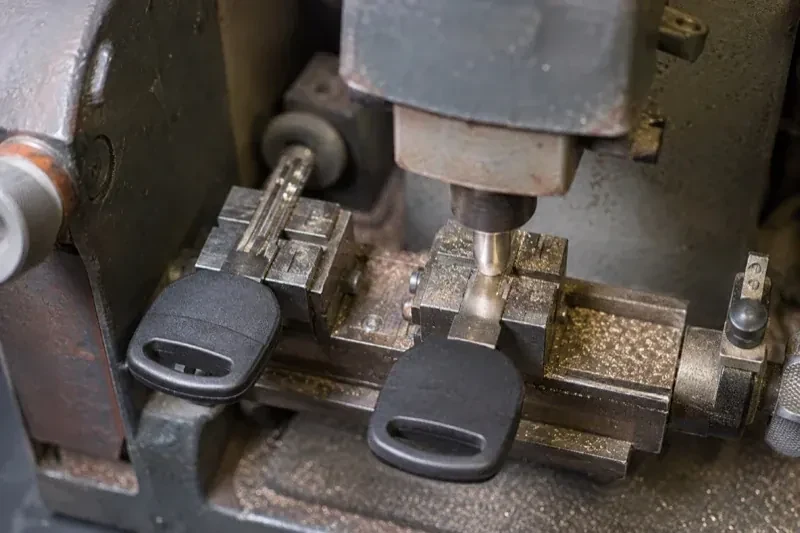
- Spare Car Key DuplicationA lockout last month ended with a locksmith opening the door and going home, and the same single key has been carried ever since with nothing behind it.
- Key Fob ProgrammingA cracked case or a spin through the wash left the fob unresponsive, and opening it up reveals a slightly corroded board where the buttons used to sit.
- Transponder Key ProgrammingSince the remote starter was installed last month, the original key has started acting strangely, the car catches on the first turn some mornings and refuses outright on others.