Car keys · Strathroy-Caradoc
Key Fob Programming
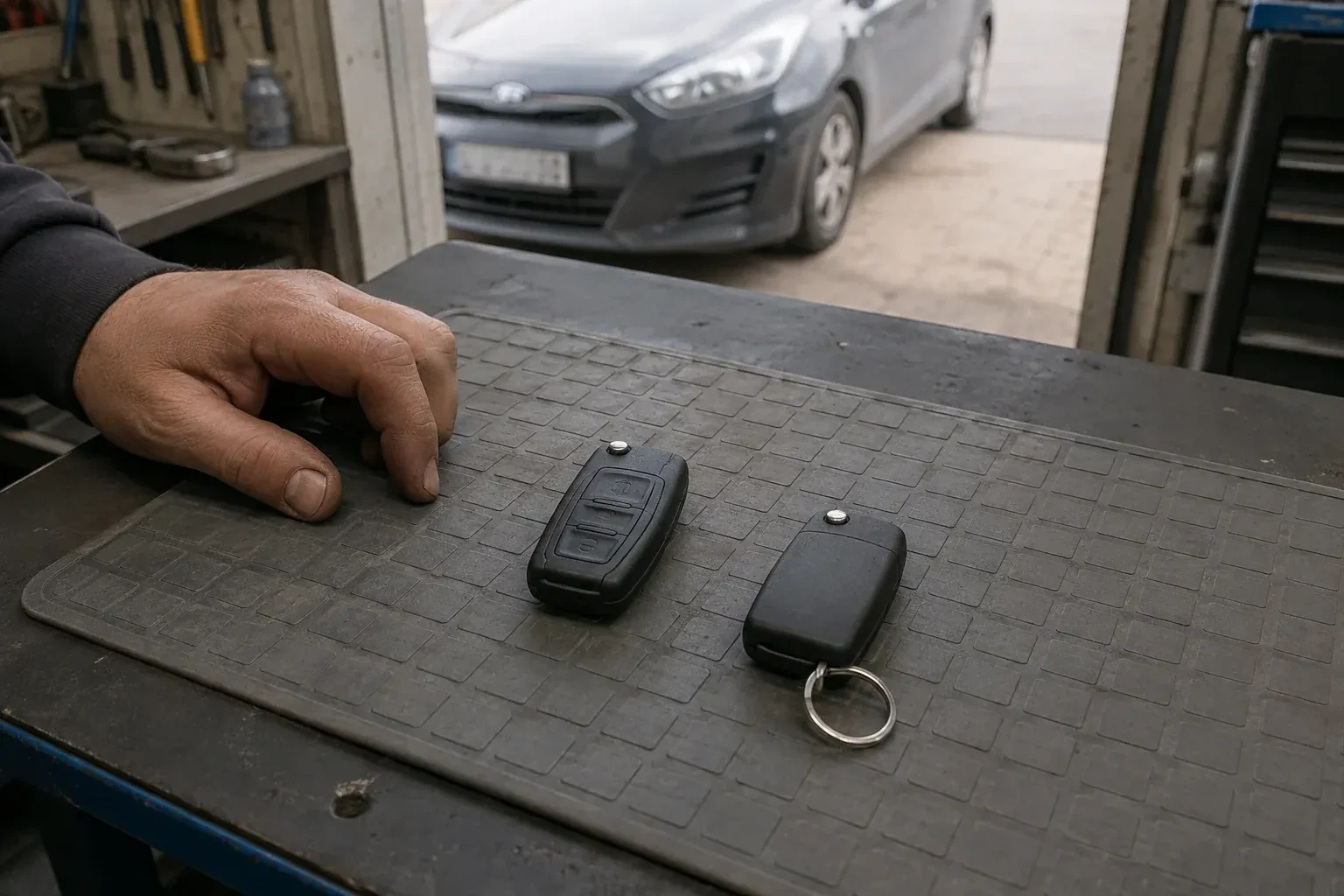
A cracked case or a spin through the wash left the fob unresponsive, and opening it up reveals a slightly corroded board where the buttons used to sit.
In plain words
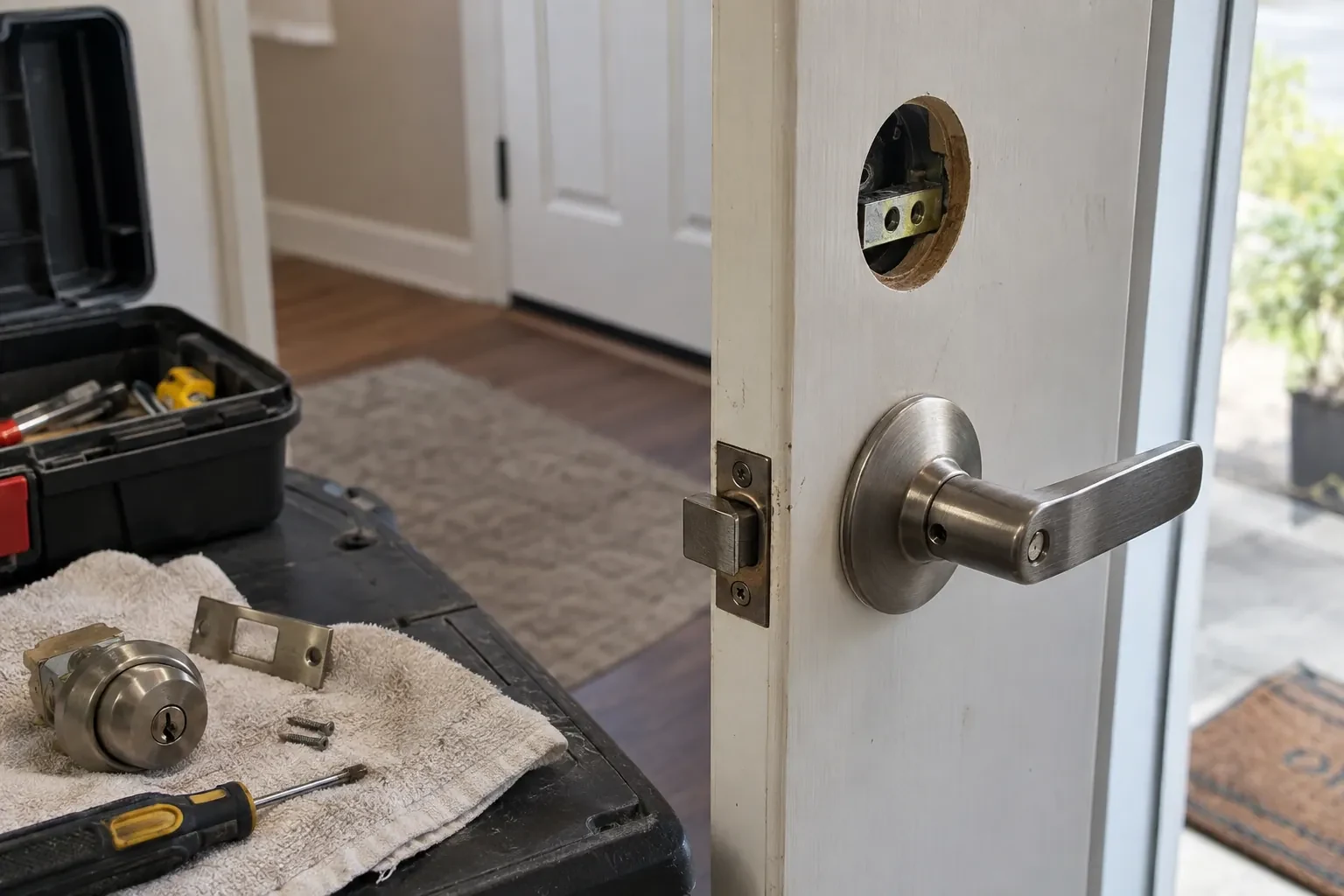
Losing a fob raises a question a spare doesn't answer on its own: whoever has the missing one can, in principle, still use it. Programming a new fob is only half the service in that situation, because the other half is removing the lost fob's electronic authorization from the vehicle's memory following that model's procedure, which stops its remote and starting functions; a mechanical blade inside it can still open an unchanged door lock, so that lock is rekeyed too where the risk warrants it. The visit closes both problems at once, leaving the household with working fobs and one less fob unaccounted for out in the world.
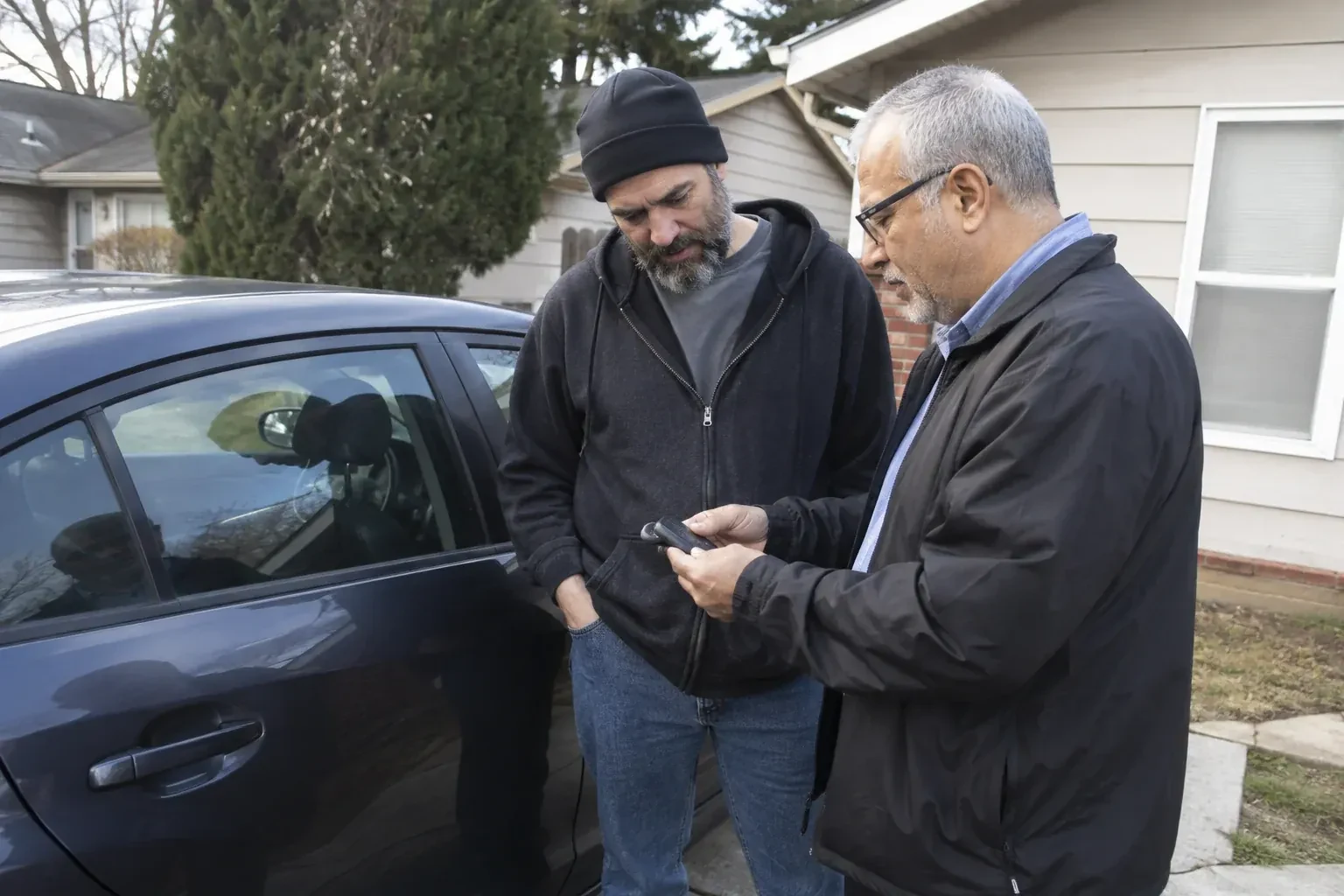
How the visit goesThe remote clicks the way it always has, but the vehicle no longer locks, unlocks or answers with its usual chirp. Nothing on the dash reacts either. A fading battery inside the fob is the likely reason, even though the fob itself looks and feels completely normal.
Key Fob Programming
How the visit goes
Reading the vehicle, not just the fob
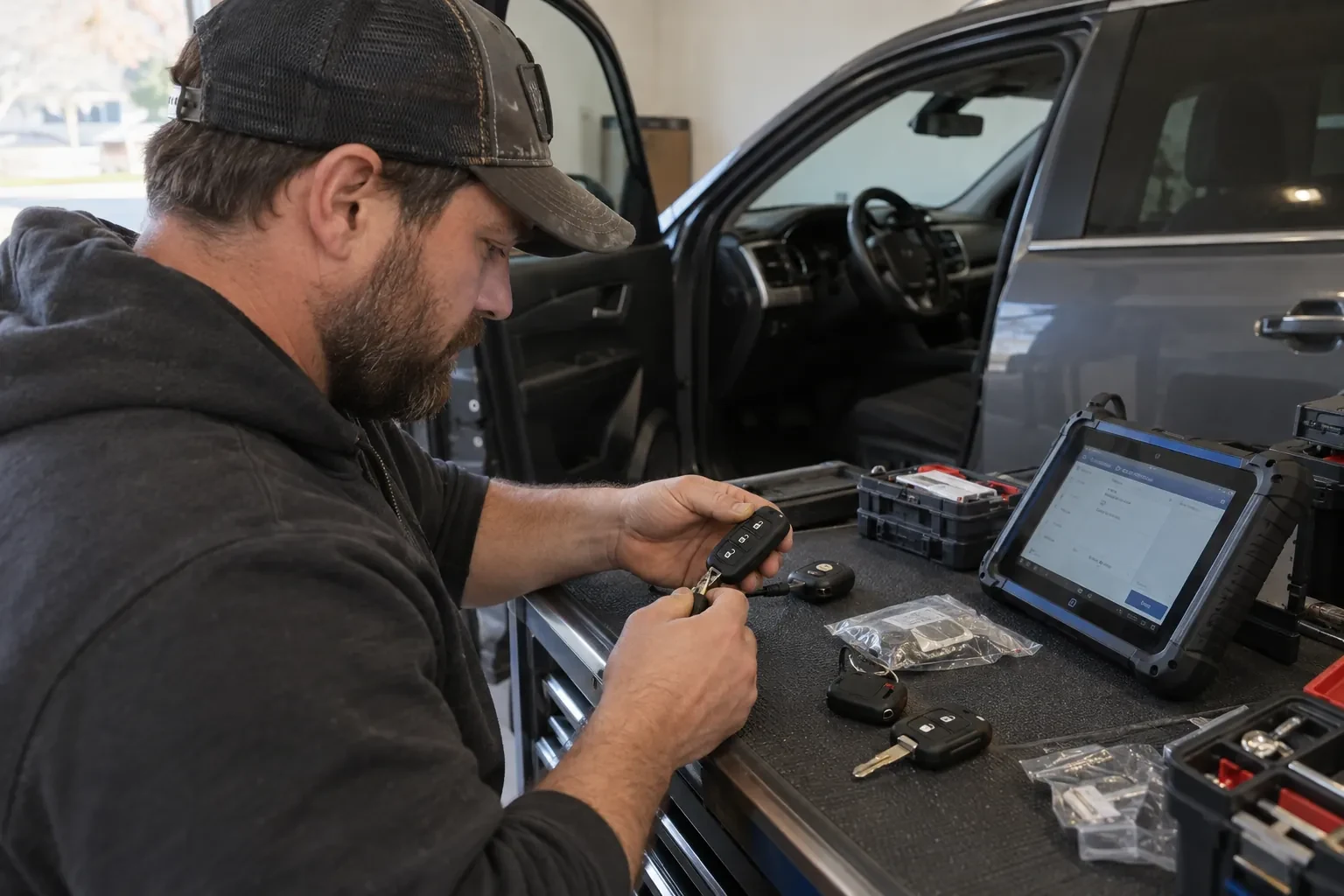
Every vehicle carries its own combination of year, trim and key system, and that combination decides which procedure applies before a single button is touched. A base model with a simple remote-and-blade key is programmed differently from a mid-tier transponder key, and differently again from a proximity fob with passive entry and push-button start. The vehicle identification number, model year and trim level are checked against the fob in hand so the right procedure is chosen from the first step rather than discovered partway through the visit.
Sending the work to the right procedure when it needs one
A vehicle identified as needing manufacturer-level security access is not forced through a workaround; the visit documents exactly what was found, what the vehicle needs, and what a dealer or an authorized access pathway would require to finish the job. Any parts already sourced, such as a compatible fob or a cut mechanical key, travel with that documentation rather than going to waste, so the household reaches the next step with the groundwork already done instead of starting the diagnosis over.
Looking after the fob you just received
A programmed fob deserves the same basic care as the one it replaced: keep it away from standing water, avoid dropping it onto hard floors from any height, and swap the coin-cell battery before it fails completely rather than after the remote has already gone dark. Most owner's manuals list the exact battery size and a short procedure for opening the case, and following that rather than guessing keeps the seal and the buttons intact for years of ordinary use.
Key Fob Programming
In the van
Manufacturer security access code
Contact cleaner and small brushes
Vehicle-specific key programmer
Precision case-opening tools
Coin-cell fob battery
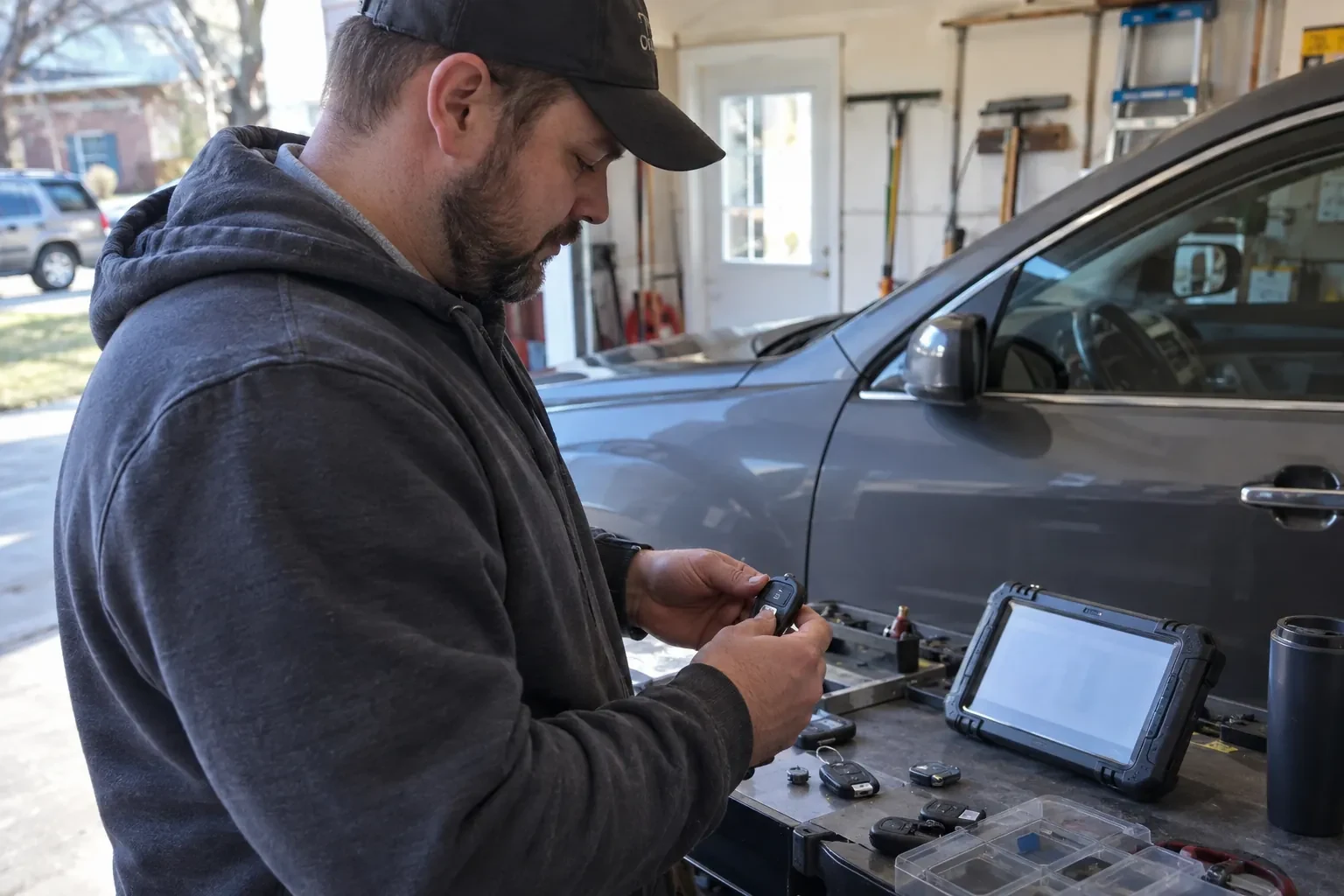
Key Fob Programming
What affects the quote
Whether the vehicle restricts the procedure
A vehicle with a manufacturer-built security gateway may need a code or an access pathway beyond a standard visit, and that requirement, where it applies, is identified and explained before it affects the quote.
Removing a lost fob from the vehicle's memory
Deregistering a fob's electronic authorization, following that model's procedure, when it is genuinely missing rather than simply replaced, is part of the visit and is reflected accordingly.
Whether a mechanical key also needs cutting
Many proximity fobs hide a mechanical blade for backup entry, and cutting that blade, whether to the vehicle's original code or matched to an existing key, is a separate task the quote accounts for.
What to have ready
- Has anyone attempted to program this fob before?
- Does the car currently start with the fob you have?
- Do you have proof of ownership or authorization for this vehicle?
Key Fob Programming: questions
QuestionsWhat is the difference between a remote, a transponder key and a proximity fob?
A basic remote only operates the locks and alarm from a distance while a separate metal key still starts the engine. A transponder key combines a cut blade with a chip the immobilizer reads before allowing a start. A proximity fob goes further: it authorizes entry while it is nearby, though most vehicles still need the handle touched, gripped or pressed to actually unlock, and it starts the engine with a push button, with no key insertion needed day to day. Each type is programmed differently.
What happens to my old fob once it's replaced?
A fob you hand over because it is no longer wanted is simply left with you, since it belongs to you regardless of whether it still works. If the old fob was actually lost rather than in your possession, there is nothing to hand over; instead its electronic authorization is removed from the vehicle's memory following that model's procedure, so its remote and starting functions no longer work for whoever does have it, though a mechanical blade built into it can still open an unchanged door lock.
Why do my fob's buttons work but the car still won't start?
This usually points to two separate systems handling two separate jobs: the remote's buttons operate the locks and alarm over radio, while a hidden chip in the fob authorizes the engine to start once it is recognized inside the vehicle. When one half is registered and the other isn't, or a chip has failed, the buttons keep working while starting authorization does not.
Related services
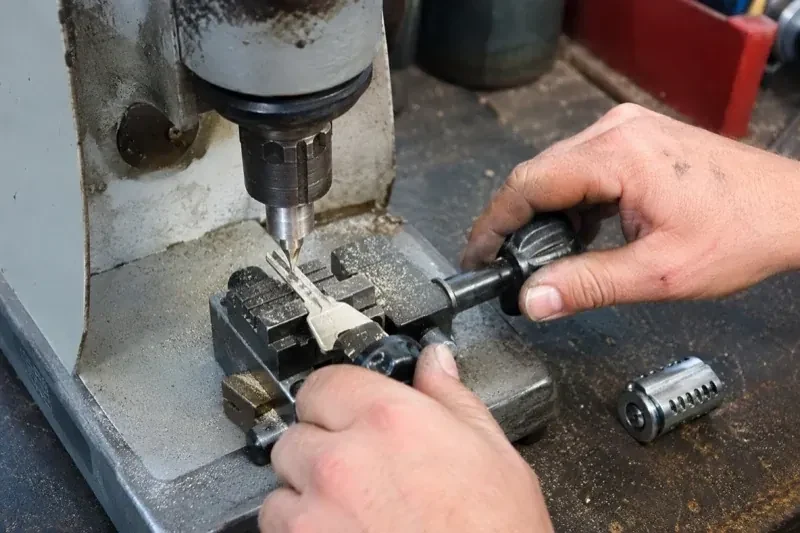
- Car Key ReplacementThe engine cranks, catches for a second and dies, and a small key-shaped light keeps blinking on the dash.
- Spare Car Key DuplicationA lockout last month ended with a locksmith opening the door and going home, and the same single key has been carried ever since with nothing behind it.
- Transponder Key ProgrammingSince the remote starter was installed last month, the original key has started acting strangely, the car catches on the first turn some mornings and refuses outright on others.