Lockouts · Strathroy-Caradoc
Broken Key Extraction
The apartment key snapped mid-turn, leaving the cylinder twisted halfway between locked and open.
In plain words
What you have when the locksmith leaves matters as much as what was removed. The fragment is out and shown to you. The cylinder has been cleaned of grit, its pins and springs checked, and dressed with the lubricant its maker specifies. A new key has been cut from the key code or by reading the cuts on the two halves with a gauge, not copied from a worn original, and tested from both sides with the door open and closed. If the key broke because the lock was on its way out, a rekey or a replacement cylinder is offered as its own decision, explained first.
How the visit goesThe padlock on the shed has been stiff all summer. Today the key twisted, cracked at the tip, and left the end buried deep in the keyway. The rest came out in your hand, and the padlock is still closed.
Broken Key Extraction
How the visit goes
What happened in the second before it broke
Your account of the break is evidence. A key that snapped while you were turning against resistance points to ice, a binding bolt or a swollen door. One that broke as you pushed it in suggests grit or a damaged pin in the keyway. A key that had been sticking for weeks and finally gave up hints at worn pins or a loose cylinder cap. A key that simply cracked at a deep cut with no drama was probably fatigued metal. Each story leads to a different check after the piece is out, so a few honest sentences about the moment save guesswork later.
Cutting the key you leave with
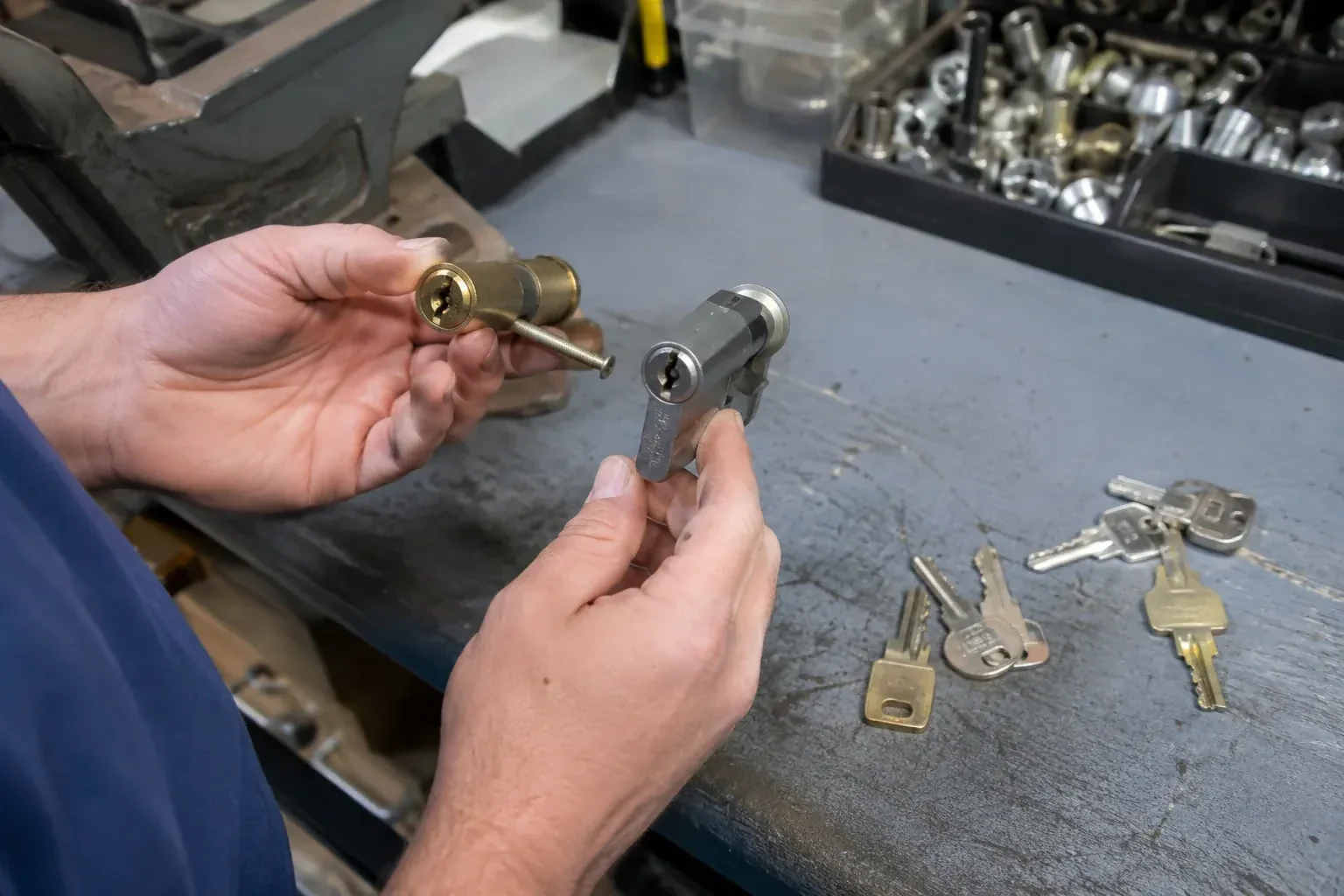
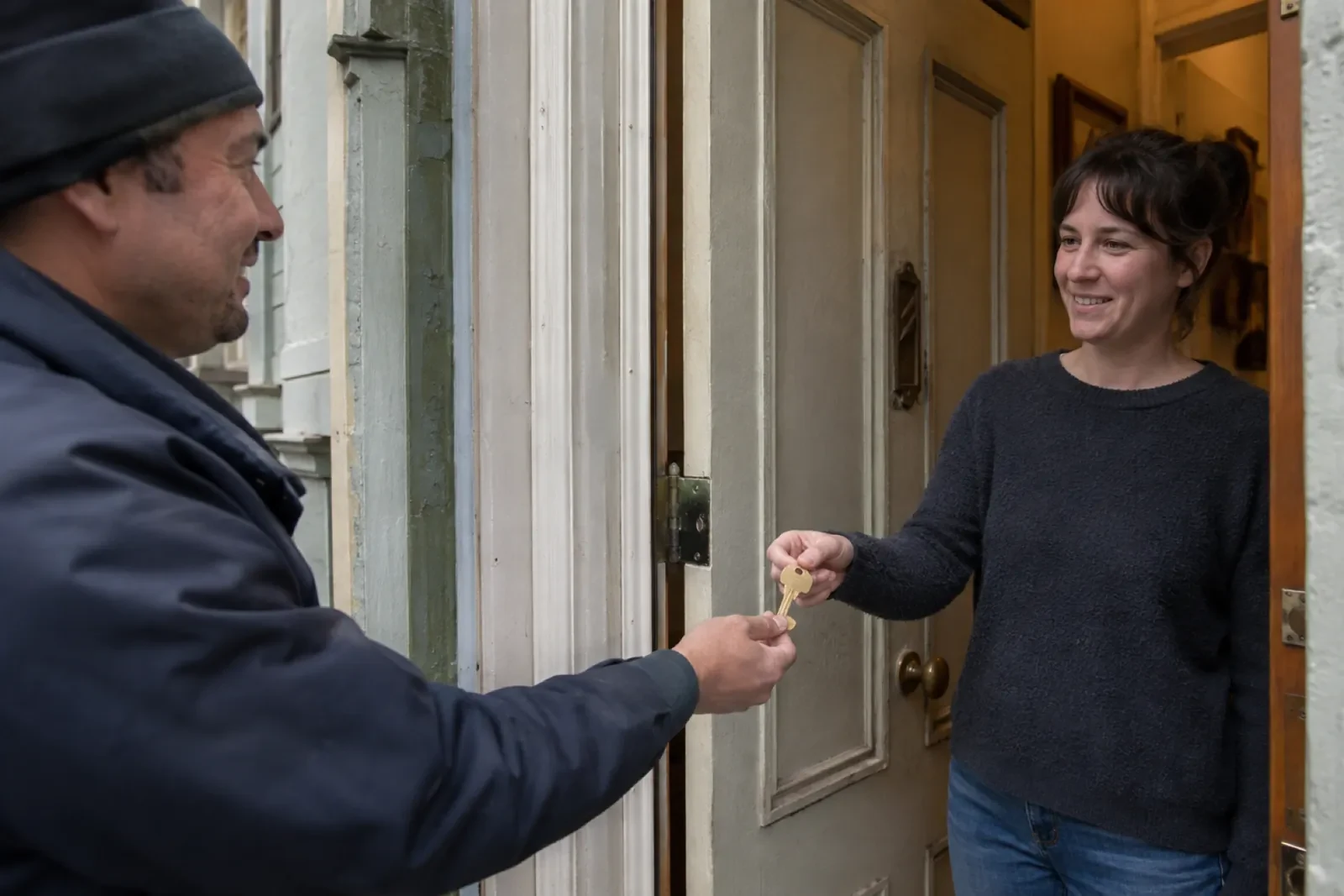
Once the lock is clear, a replacement key is made. The two halves of the broken key are laid together and the cuts are read with a key gauge, or the locksmith cuts from the key code if you have the tag or the lock's records, or from a crisp spare. What is avoided is copying a worn original, because a duplicate inherits every rounded cut and will stick and wear the same way. The new key is cut on a code machine, tried in the lock with the door open, then closed, and from both sides. Extra copies are cut from the new key while the machine is set.
A cylinder that has been looked after
Extraction usually doubles as a service. The keyway has been blown clear of grit and salt, the pins and springs checked for wear, the cylinder cap snugged if it had loosened, and dressed with the lubricant its maker specifies rather than a one-size-fits-all product, since some cylinders take a dry graphite or PTFE spray and others forbid graphite outright. General household oils and sprays commonly collect dust and clog the pin chambers. A puff of the right lubricant twice a year, spring and fall, keeps the cylinder turning freely, and a key that starts to need force is an early message worth acting on before it breaks.
Broken Key Extraction
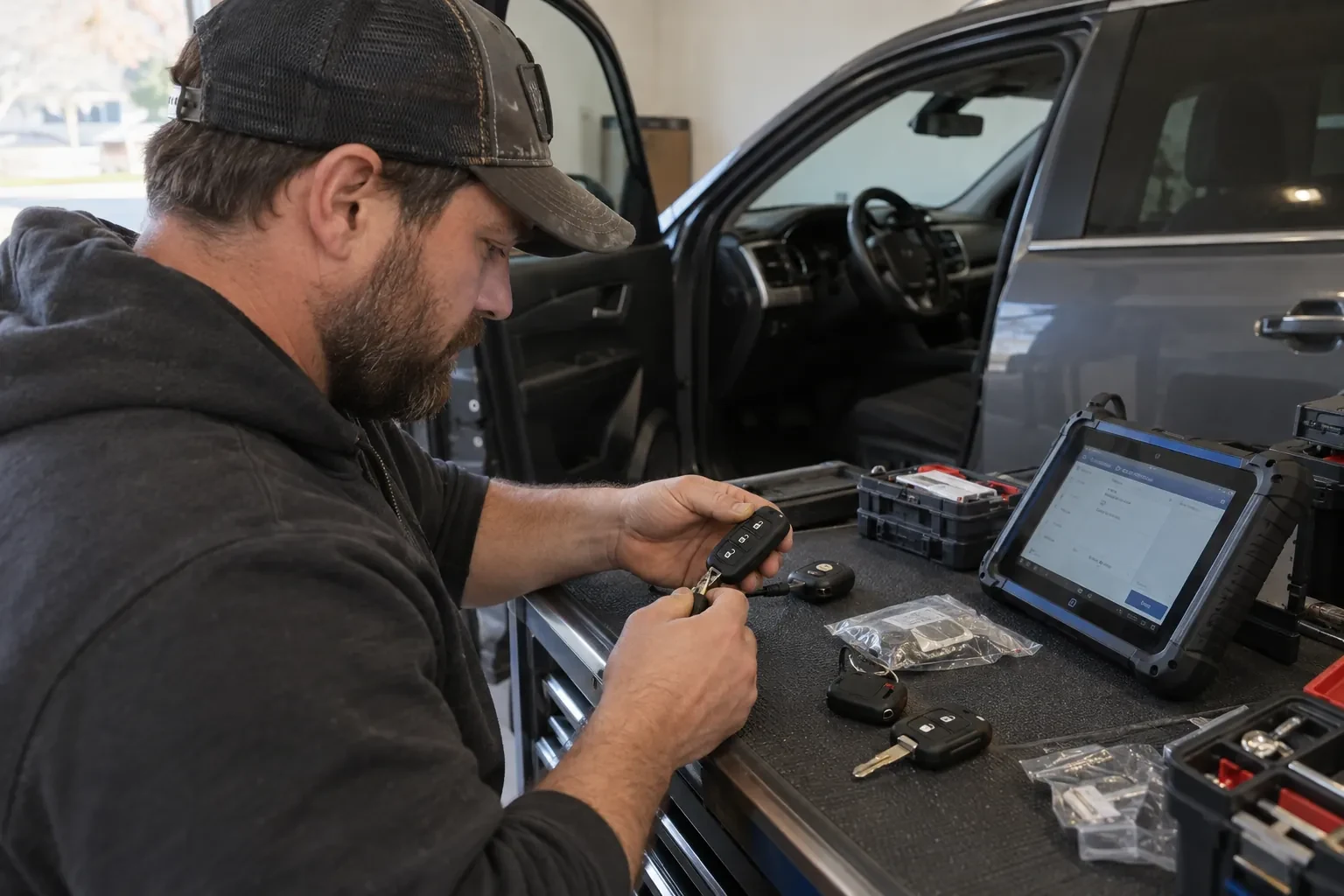
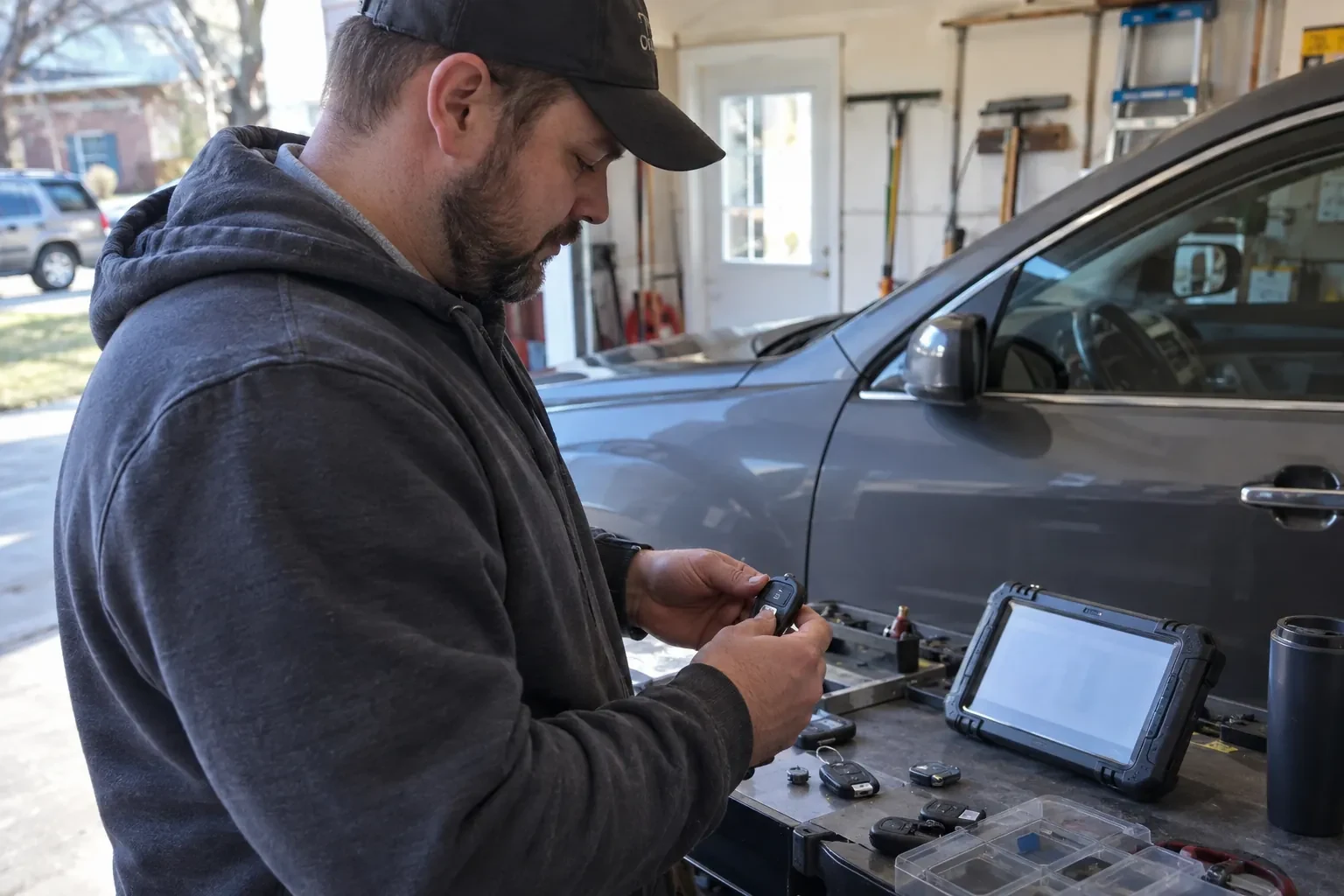
In the van
Replacement cylinder or deadbolt
Spiral key extractors
Key blanks and code cutter
Manufacturer-approved cylinder lubricant
Fine-jawed extractor pliers
Broken Key Extraction
What affects the quote
Whether the plug turned before the break
A key that snapped mid-turn leaves the plug rotated and the pins holding the fragment. Easing the plug back to rest before extraction is an extra step in the work.
Where the key broke
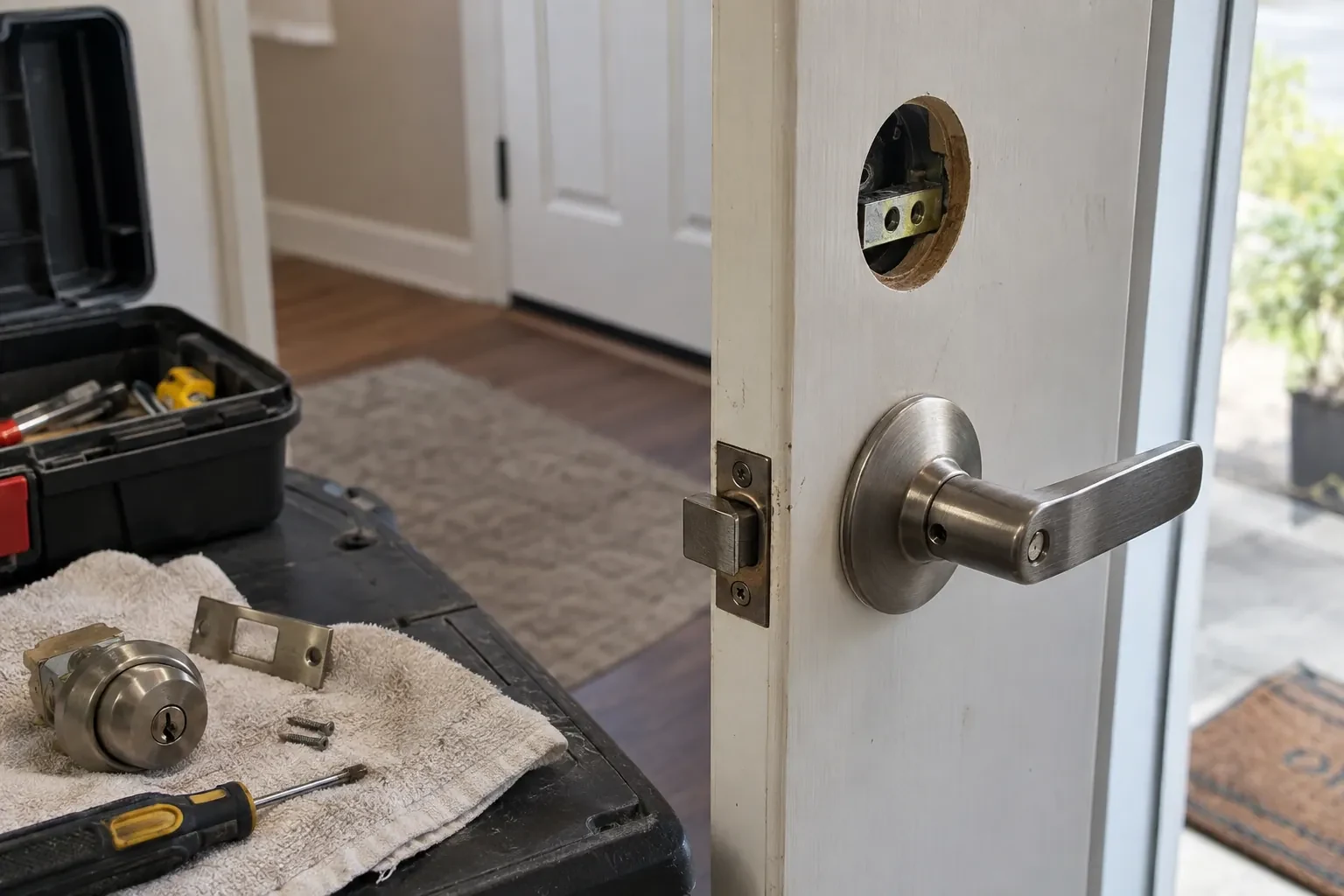
A house deadbolt, a knob, an older mortise case, a padlock, a car door and a vehicle ignition each call for different access and different care, and the quote follows the hardware.
Rekeying other doors to match
If the cylinder ends up rekeyed or replaced, matching the other exterior locks to the new key is priced per cylinder, and simplest while the locksmith is already there.
What to have ready
- Do you still have the other half of the key?
- Is the door or vehicle locked or unlocked right now?
- Do you own, rent or manage the property, and is identification with you?
Broken Key Extraction: questions
QuestionsThe key broke while the door was locked. Can you still get me in?
Yes. The fragment comes out first, because nothing else can happen while it blocks the keyway. With the cylinder clear and the plug at rest, the door is opened by the same non-destructive methods used for any lockout, then a working key is cut and tested. If the door is a rental, the visit is noted for the building manager on request.
Is a broken key a sign the whole lock is worn out?
Sometimes, and the visit answers it. A key that failed from its own fatigue in a clean, smooth cylinder says nothing against the lock. A key that broke because the pins were worn flat, the cap had loosened or the keyway was full of grit says the cylinder needs a service or a rekey. One that broke in a corroded, pitted plug is telling you the lock is due for replacement.
Do you need my spare key?
It helps if there is one. A crisp spare is the ideal pattern for the replacement, better than the broken halves and far better than a worn copy. It also lets the locksmith test the cylinder the moment the fragment is out, which shows whether the pins and springs are sound. If the spare is itself bent or worn, mention that too; it is a candidate for retirement rather than a pattern.
Related services
- Business Lockout ServiceAfter last night's power flicker the card reader beside the clinic door shows nothing.
- Break-In Damage Lock RepairThere is a hole where the cylinder used to be.
- Seized & Jammed Lock OpeningThe shop's lever handle goes down as usual, but the latch inside the mortise case never pulls back.