Lockouts · Adelaide-Metcalfe
Broken Key Extraction in Adelaide-Metcalfe
The apartment key snapped mid-turn, leaving the cylinder twisted halfway between locked and open.
In plain words
The tools are simple and precise. A hook extractor is a thin strip of spring steel with a barb at the tip; it slides along the groove of the keyway above or below the fragment, snags one of the cuts, and walks it out. A spiral extractor works like a tiny screw, threading into the ridges of the cuts and gripping as it turns. Fine-tipped extractor pliers handle a piece that shows above the face. A tension tool brings a turned plug back to rest. None of these push inward, which is the whole point: the piece comes out the way it went in and the cylinder stays whole.
How the visit goesThe key went in like any other morning, you turned it, and something gave with a small metallic click. The bow is still between your fingers. The rest of the blade is sitting inside the deadbolt, and the door is locked.
Broken Key Extraction
How the visit goes
Reading the cylinder for the cause
Even a lock in good order can break a key that was already worn, bent or fatigued, so the cylinder is examined for a contributing cause all the same. The locksmith looks for grit and salt crust in the keyway, a cylinder cap that has loosened and let the plug shift, pins that have worn flat so the key needs force to lift them, springs that have weakened, and burrs at the mouth of the keyway that drag on the blade. On an exterior door the strike and hinges are checked as well, since a bolt that binds in its pocket makes the key carry the load. Each finding shapes the advice given once the fragment is out.
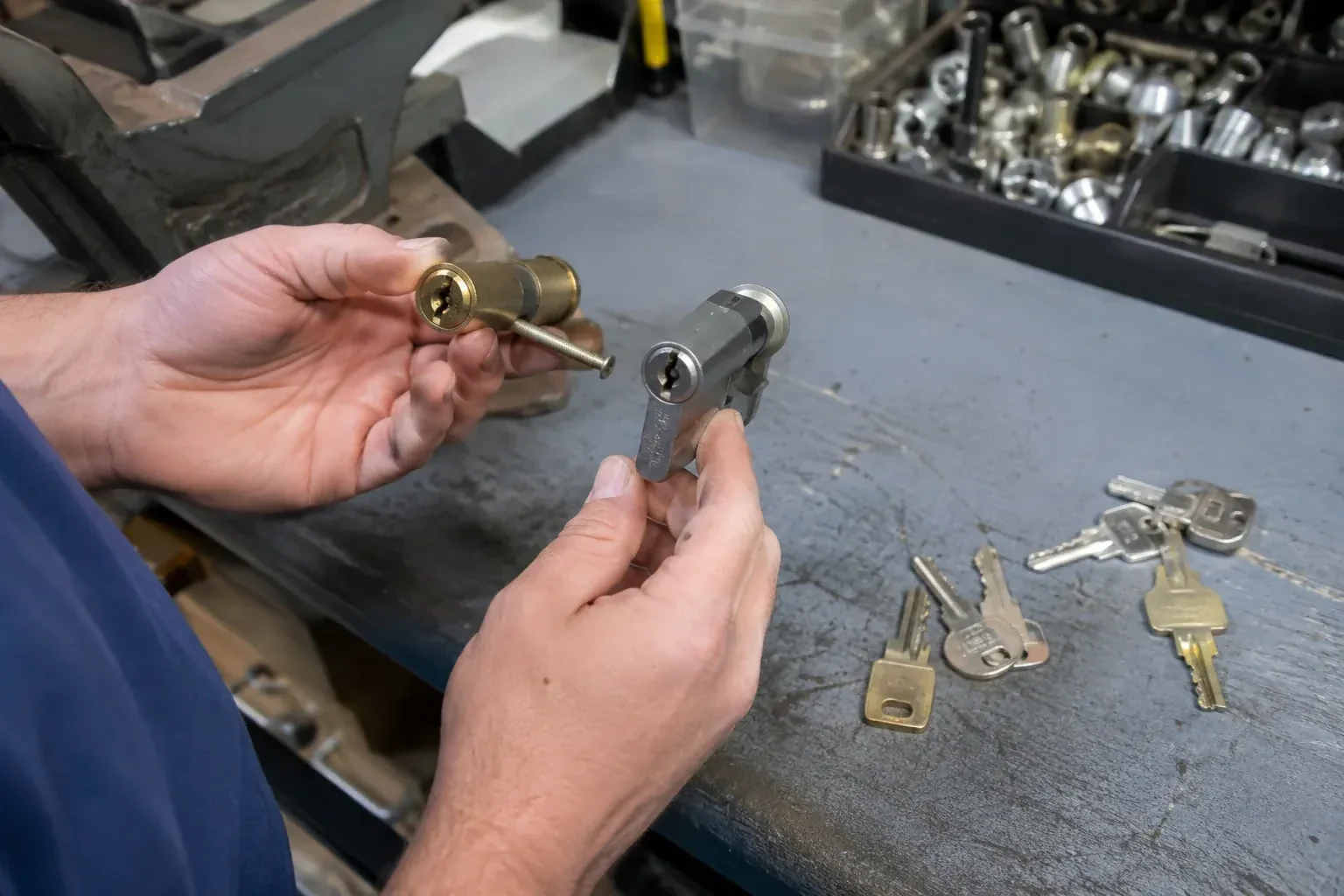
Taking the cylinder apart to free it
Occasionally a piece is too deep, glued in, or wedged past the pins where no extractor can reach. On a serviceable, removable cylinder, the lock is serviced from behind: removed from the door or padlock (a rekeyable padlock is normally unlocked first), its cap or retaining clip taken off, and a plug follower used to push the plug out while the top pins and springs stay in place. With the plug in hand the fragment is tapped out from the rear, the pins inspected, and everything cleaned before reassembly. Where the cylinder is non-rekeyable, damaged or will not free this way, a replacement cylinder is the alternative, explained first.
A cylinder that has been looked after
Extraction usually doubles as a service. The keyway has been blown clear of grit and salt, the pins and springs checked for wear, the cylinder cap snugged if it had loosened, and dressed with the lubricant its maker specifies rather than a one-size-fits-all product, since some cylinders take a dry graphite or PTFE spray and others forbid graphite outright. General household oils and sprays commonly collect dust and clog the pin chambers. A puff of the right lubricant twice a year, spring and fall, keeps the cylinder turning freely, and a key that starts to need force is an early message worth acting on before it breaks.
Broken Key Extraction
In the van
Replacement cylinder or deadbolt
Spiral key extractors
Key blanks and code cutter
Manufacturer-approved cylinder lubricant
Fine-jawed extractor pliers
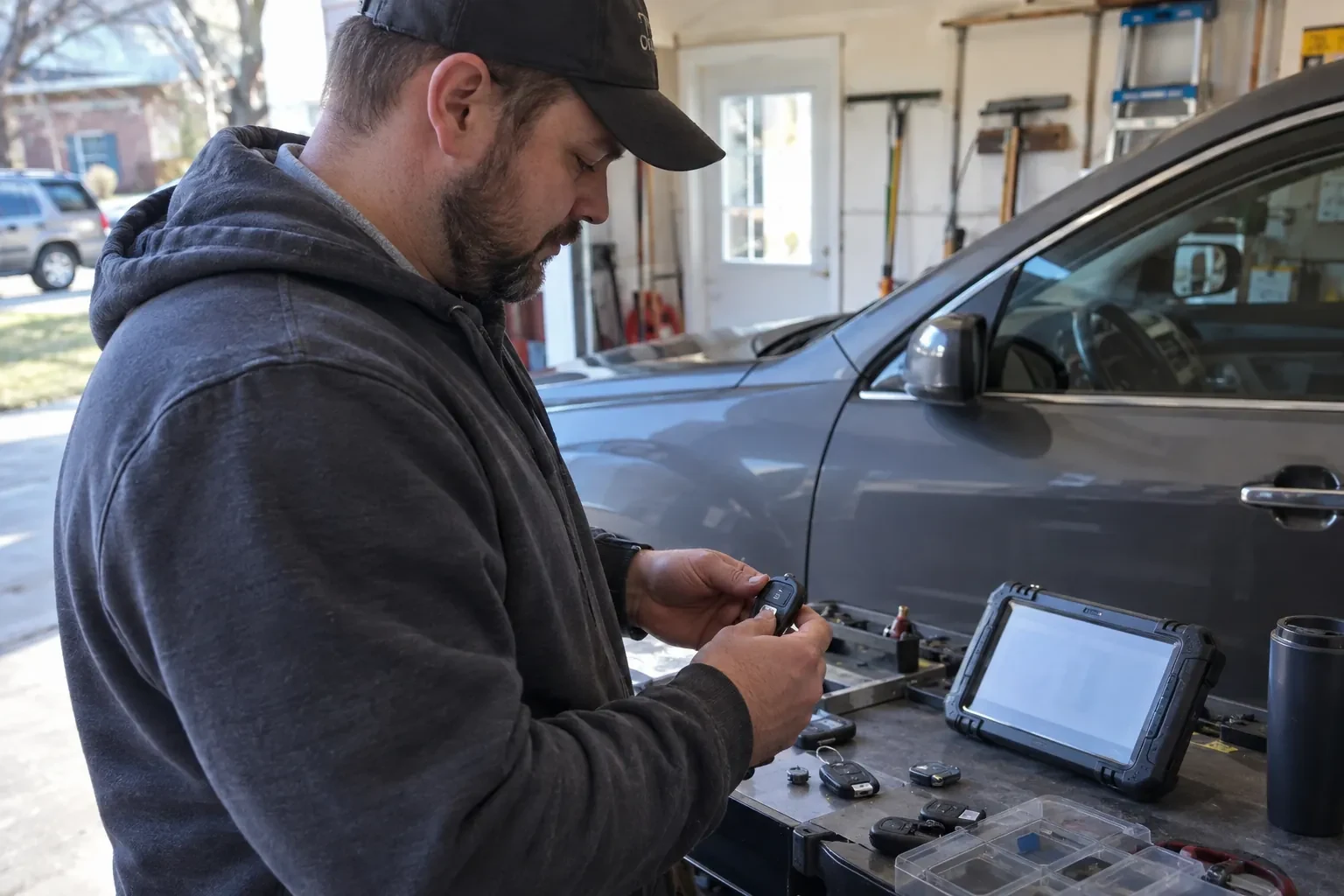
Broken Key Extraction
What affects the quote
Drilling and a replacement cylinder
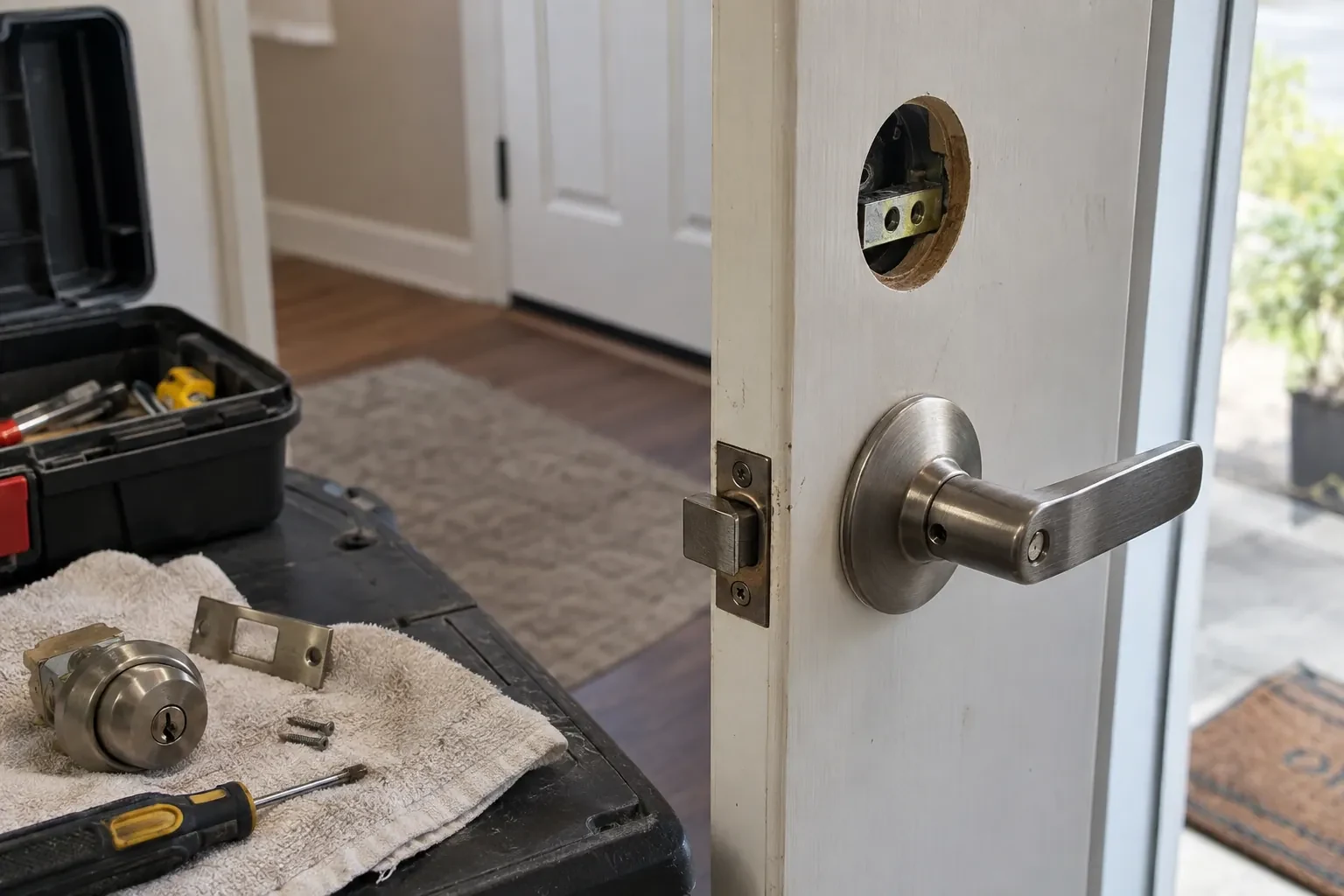
On the rare occasion a cylinder must be sacrificed, the price includes the new cylinder or complete deadbolt plus fitting it, and that is agreed with you before the drill is picked up.
Condition of the cylinder
Worn pins, a loose cap, grit or corrosion found after the piece is out may call for a service, a rekey or a new cylinder, each explained and quoted separately.
Anything added since the break
Glue, a second key or marks from a screwdriver mean clearing and sometimes repair before extraction can start, and that added time is named in the quote.
What to have ready
- Did the key turn part of the way before it snapped?
- Where did the key break: a house door, a padlock, a car door or an ignition?
- Is any part of the key still visible above the face of the lock?
Broken Key Extraction: questions
QuestionsThe key broke while the door was locked. Can you still get me in?
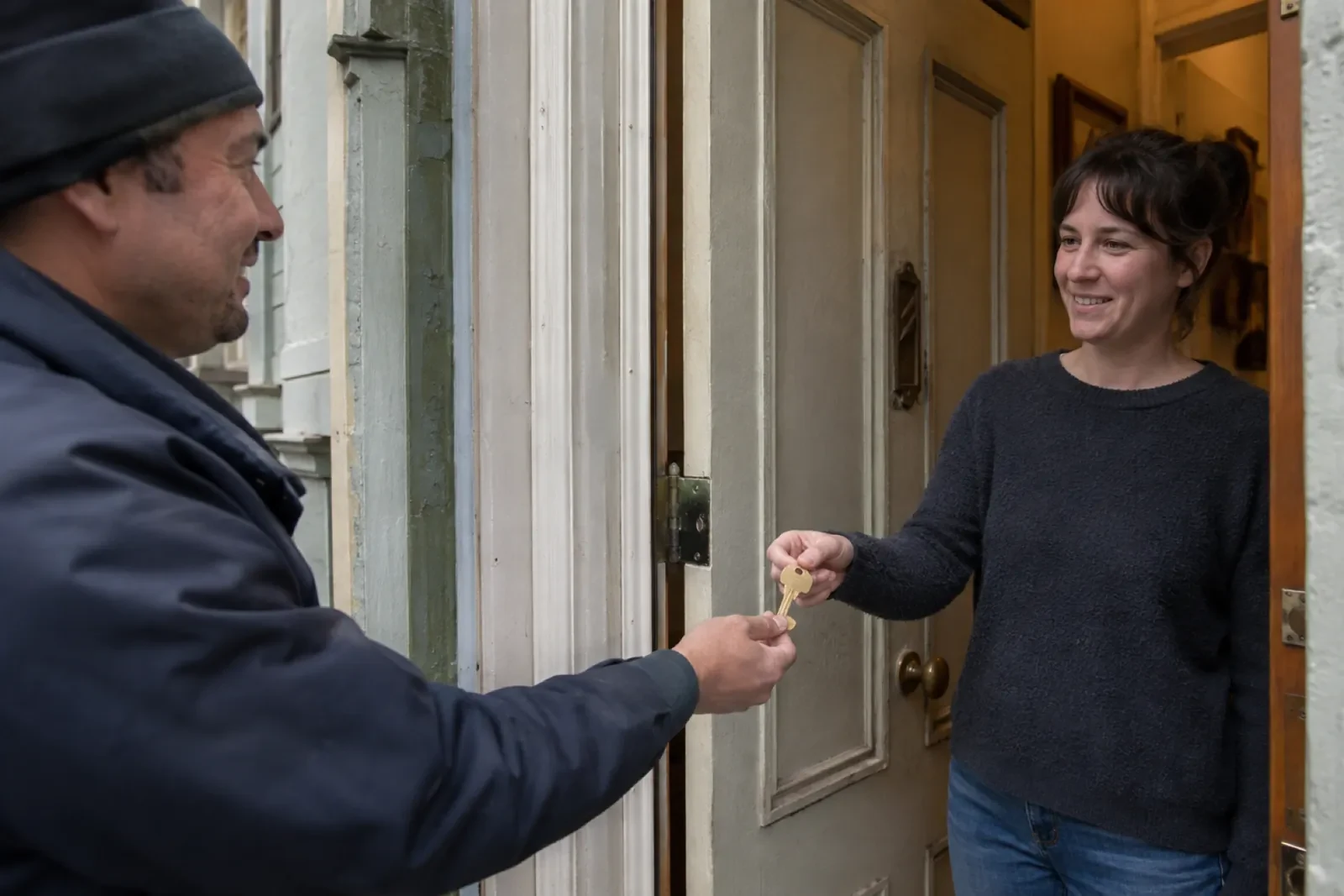
Yes. The fragment comes out first, because nothing else can happen while it blocks the keyway. With the cylinder clear and the plug at rest, the door is opened by the same non-destructive methods used for any lockout, then a working key is cut and tested. If the door is a rental, the visit is noted for the building manager on request.
Is a broken key a sign the whole lock is worn out?
Sometimes, and the visit answers it. A key that failed from its own fatigue in a clean, smooth cylinder says nothing against the lock. A key that broke because the pins were worn flat, the cap had loosened or the keyway was full of grit says the cylinder needs a service or a rekey. One that broke in a corroded, pitted plug is telling you the lock is due for replacement.
Do you need my spare key?
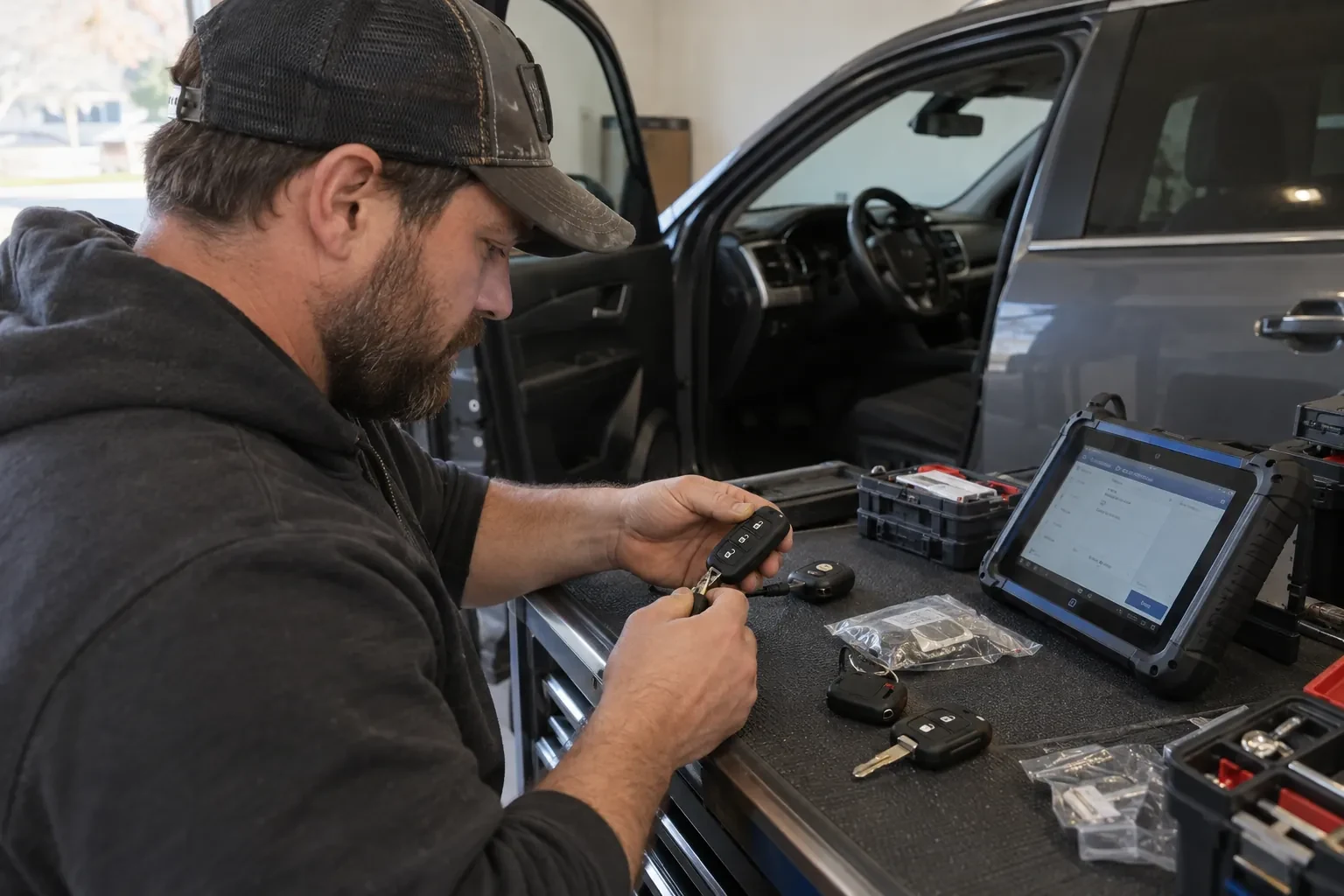
It helps if there is one. A crisp spare is the ideal pattern for the replacement, better than the broken halves and far better than a worn copy. It also lets the locksmith test the cylinder the moment the fragment is out, which shows whether the pins and springs are sound. If the spare is itself bent or worn, mention that too; it is a candidate for retirement rather than a pattern.
Related services
- Business Lockout ServiceAfter last night's power flicker the card reader beside the clinic door shows nothing.
- Break-In Damage Lock RepairThere is a hole where the cylinder used to be.
- Seized & Jammed Lock OpeningThe shop's lever handle goes down as usual, but the latch inside the mortise case never pulls back.