Commercial · North Middlesex
Master Key System Design in North Middlesex
A dental office wants the front desk to lock up at night without ever holding a key to the room where patient records and controlled supplies are stored.
In plain words
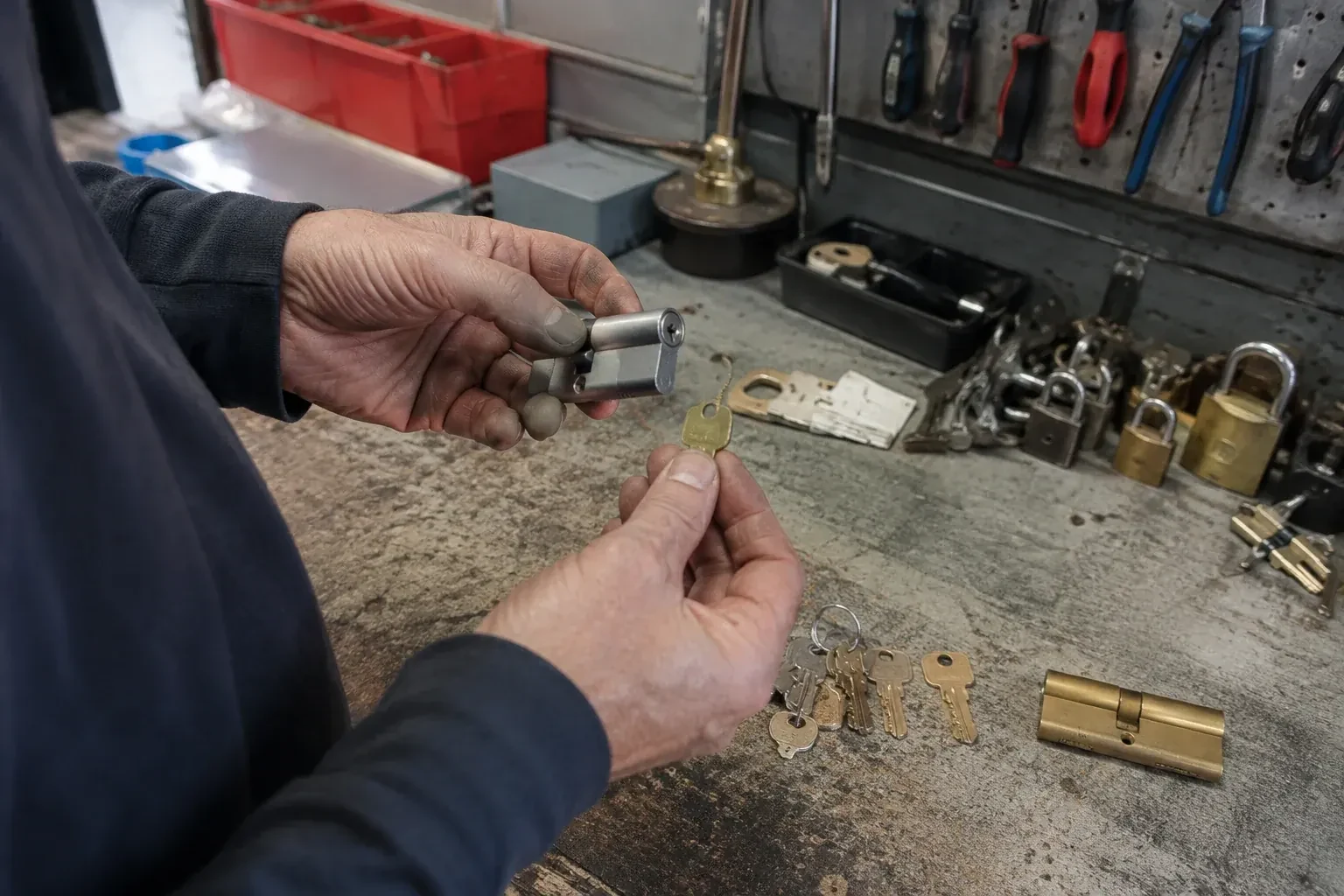
A master key hierarchy usually has three layers. At the bottom, an individual change key opens one door or a small keyed-alike group for the person who needs it. In the middle, a sub-master opens a defined group, such as every door on a floor or in a department. At the top, a single master opens the whole set and is kept to a short list of people. Master key system design is the process of deciding where those layers sit for a particular business, choosing hardware that can support them, and cutting and testing the keys so each layer works exactly as planned, no more and no less.
How the visit goesOn the warehouse floor, a shift supervisor's key opens the loading dock, the tool crib and the manager's office, though only the dock is really part of the job. Nobody planned it that way; the key was simply copied from whichever one was closest at hand.
Master Key System Design
How the visit goes
Duplication and how tightly it needs to be controlled
Some businesses are comfortable with standard key blanks that any hardware counter can cut; others, especially where records, cash or controlled supplies sit behind a door, want a restricted or patented keyway that limits duplication to a record the owner controls. This is decided door by door rather than for the whole property at once, since a stockroom and a records room rarely carry the same risk. The answer shapes both the hardware chosen and how future copies of any given key will be requested and tracked going forward.
Handling a lost key discovered mid-project
If a key turns up missing or unaccounted for while the assessment is underway, the affected level is dealt with before the rest of the design continues: the doors that key can reach are identified from existing records or, where none exist, from a physical walk of the property, and those cylinders are prioritized for repinning ahead of the rest of the schedule. Folding this into the same visit avoids a second project later to close a gap that was already known about.
A chart that answers the question on its own
Once the project is finished, a single question, who can get into this room, has a single answer, visible on the chart without needing to track down whoever issued a key years ago. Every level is listed against the doors it opens and the people or roles holding it, so the record stays useful long after the locksmith has left, rather than fading into the same guesswork the project was meant to replace.
Master Key System Design
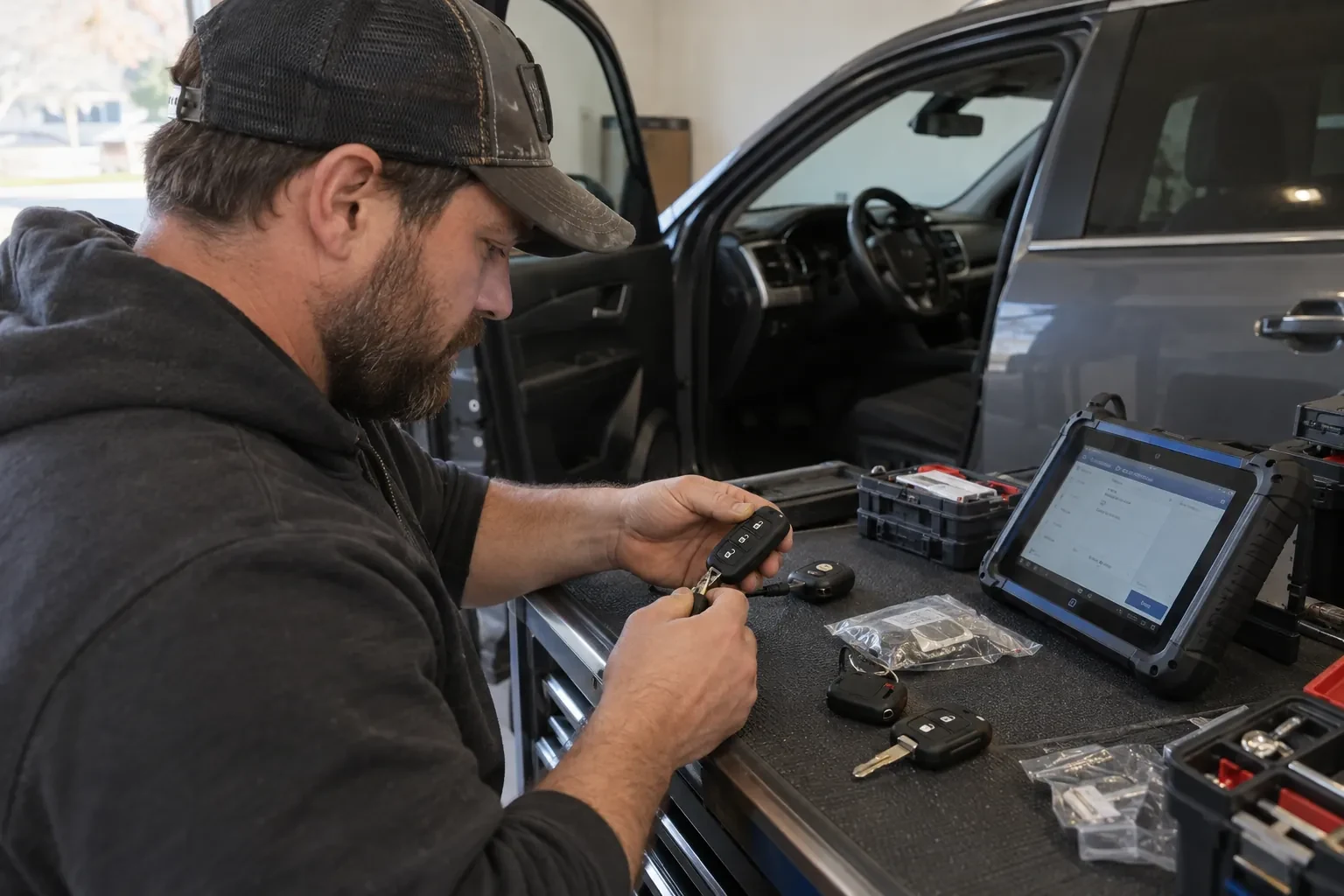
In the van
Key marking tools
Master pin kits
Change and master keys
Bench test fixture
Cylinder pinning kit

Master Key System Design
What affects the quote
Whether hardware needs replacing for accessibility
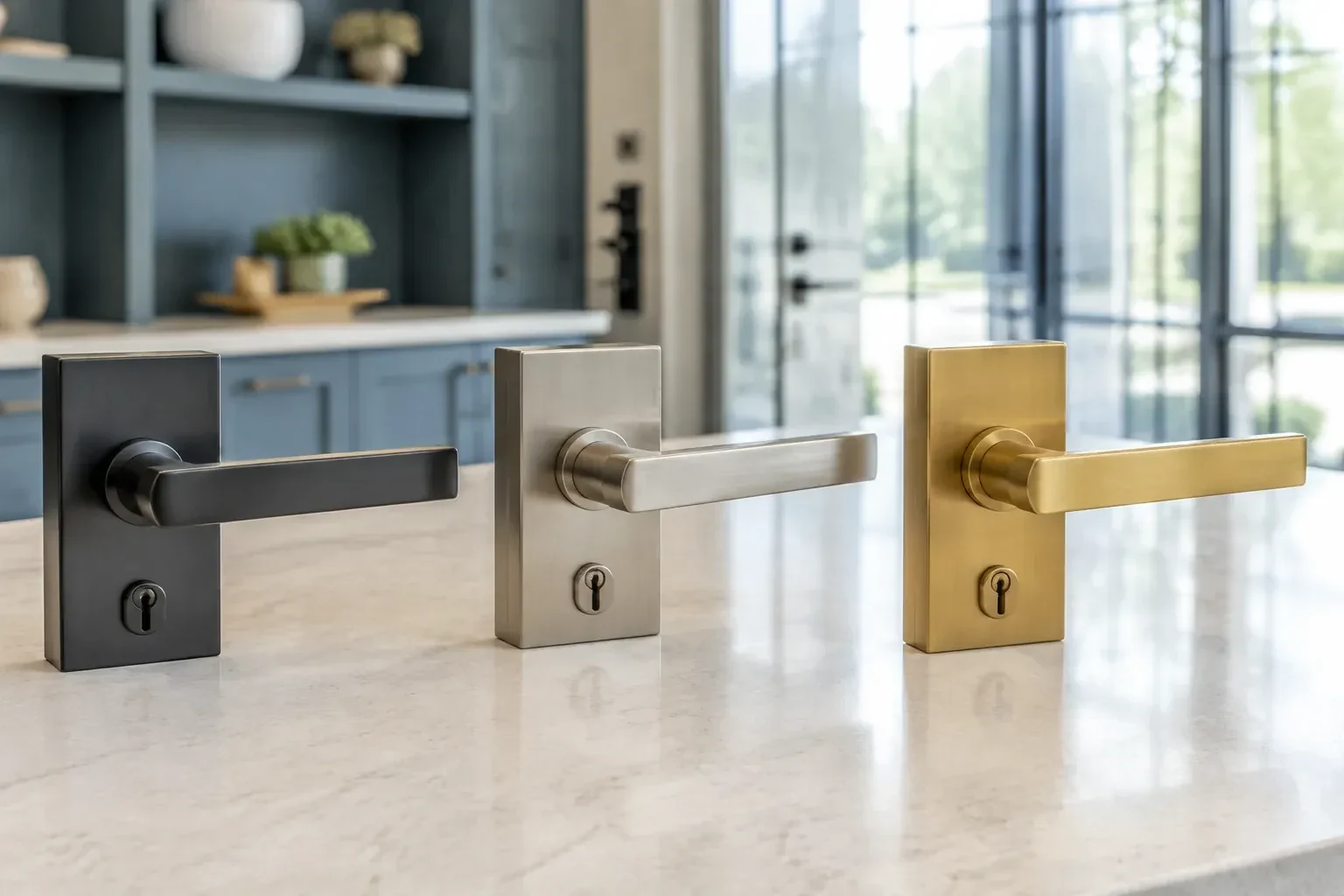
Doors on a barrier-free path of travel need lever or paddle-style hardware rather than round knobs, so a property with several such doors that currently have incompatible hardware has more replacement work folded into the project than one already fitted with compliant hardware.
Compatibility of existing hardware
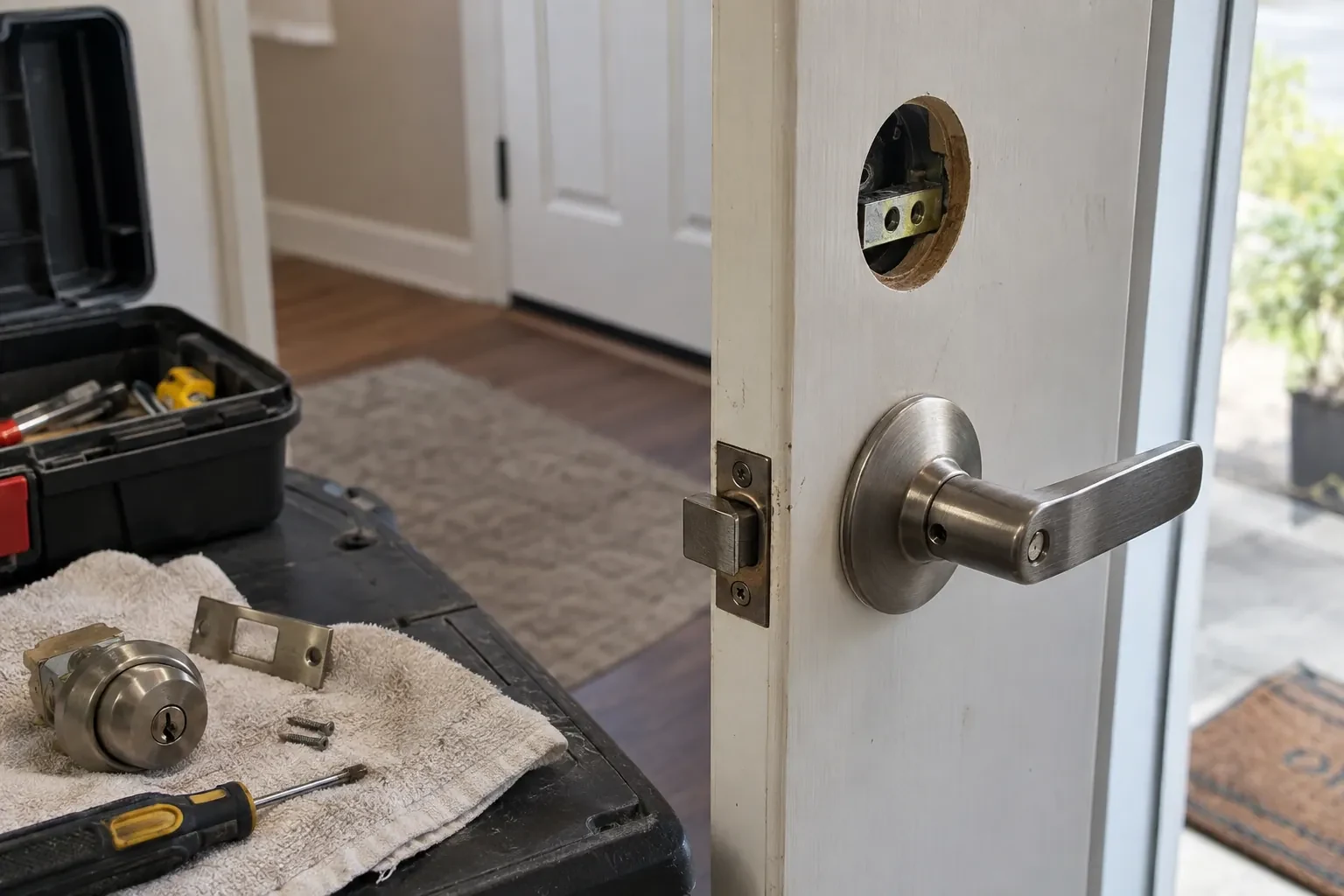
Cylinders that can join the new hierarchy without modification keep the project smaller. Hardware that is mismatched, worn or built on an incompatible keyway needs replacing to fit cleanly into the plan, and that replacement hardware is a separate line from the design and pinning work.
Condition of the property's current keys
A property with a reasonably current, if informal, sense of who holds which key gives the assessment a shorter starting point than one where keys have been copied and reissued for years with no record at all. More reconstruction work at the start affects the overall quote.
What to have ready
- Roughly how many doors need to be part of the system?
- Do any doors need restricted or patented keys for duplication control?
- Are new departments, hires or locations expected in the near future?
Master Key System Design: questions
QuestionsShould I keep spare blanks or unpinned cylinders on hand?
It depends on how the keyway is controlled. With a restricted system, spare blanks are typically held by the locksmith against the authorized record rather than stored loosely on site, since that is what keeps duplication contained. With a standard keyway, keeping a few spare cylinders of the same platform can simplify a later addition, though it is not required.
Can key duplication be restricted so copies cannot be cut elsewhere?
Yes. With a restricted or patented keyway, blanks are only available through the manufacturer's authorized record, so a copy is not cut at an ordinary hardware counter without going through that channel. This does not make a key impossible to duplicate, but every legitimate copy passes through a record the owner controls, which a standard keyway cannot offer.
How is accountability maintained when several people hold different levels of keys?
Through the chart and issuance log rather than memory. Each level is tied to named roles or people, each key is marked to reflect its level rather than the door it opens, and any change of hands is recorded with a signed receipt. That record names every authorized holder for a door, though it can only account for a key that was never copied, loaned or picked up by someone outside that list.
Related services
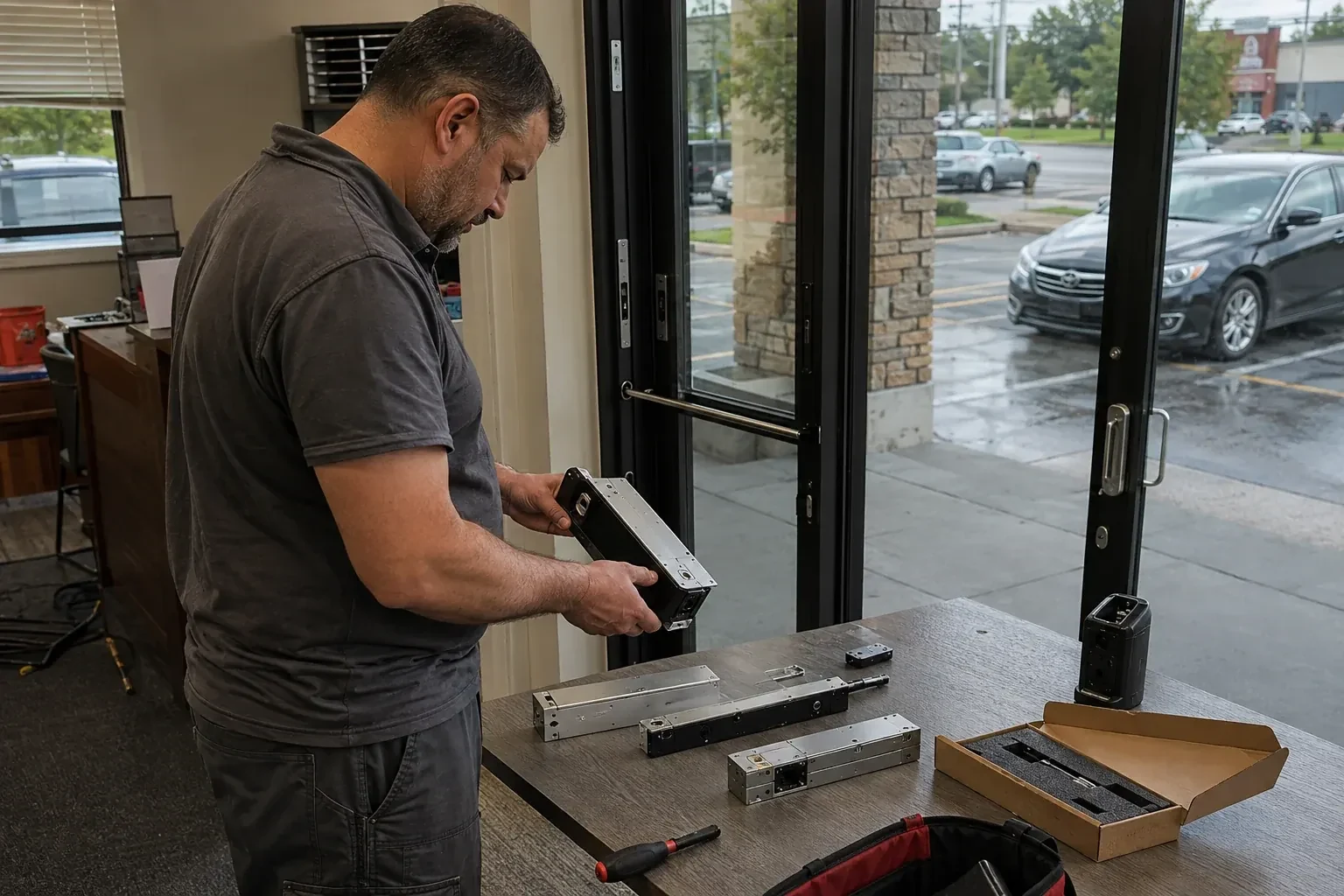
- Access Control InstallationSomething went missing from the storeroom over a weekend, and when you ask who was in the building, the honest answer is anyone with a key.
- Panic & Exit HardwareThe new access-control reader at the staff entrance works fine going in, but nobody has sorted out the door's exit side, and right now a card reader and a pushbar exist as two separate ideas.
- Commercial-Grade Lock ReplacementOvernight someone forced the back door, and the cylinder face is scarred, the metal around the strike has pulled loose from the frame, and the latch no longer sits flush.