Change or rekey · Appin
Gate & Building Entry Locks in Appin
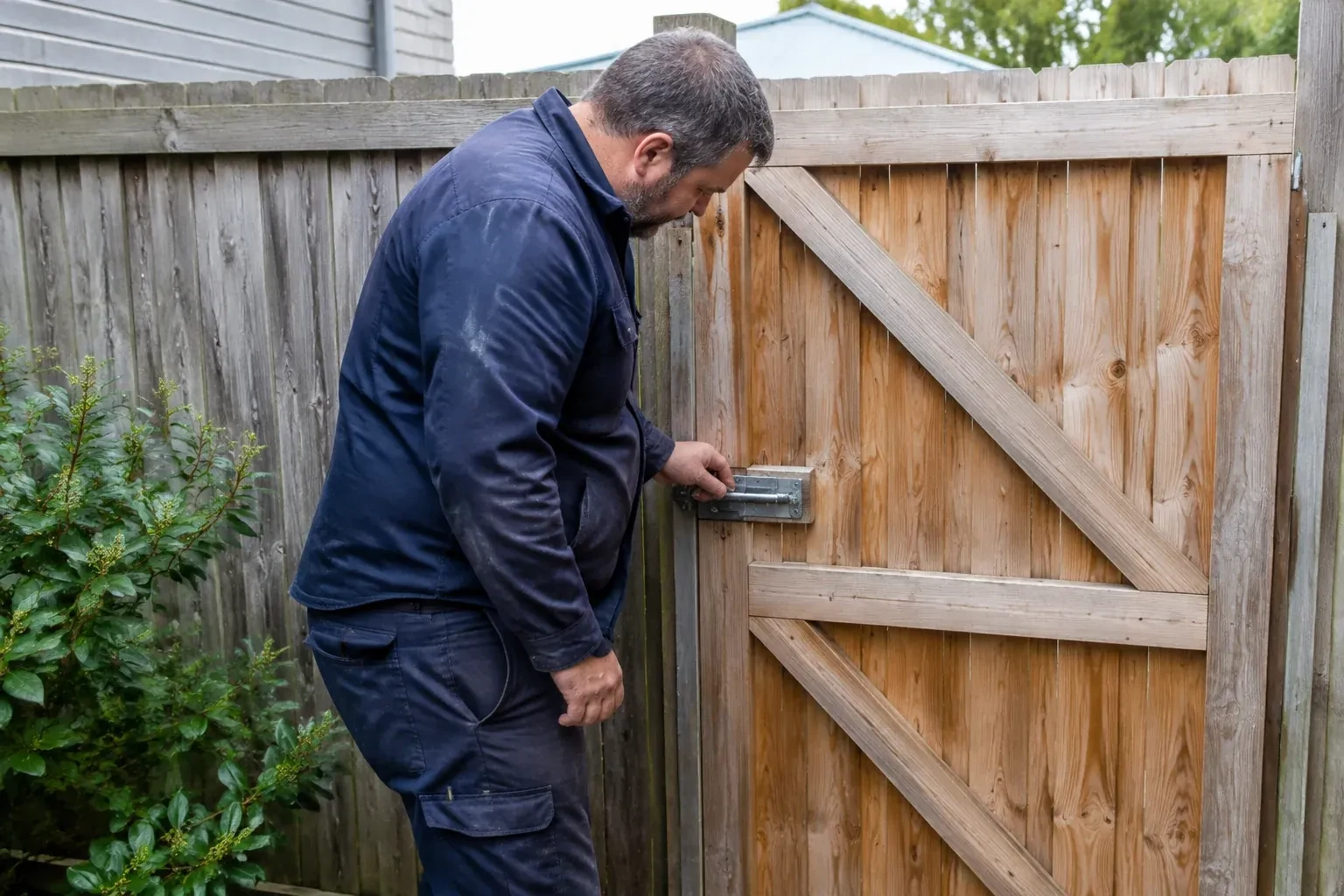
The driveway gate drags a groove into the gravel every time it swings, and the latch stopped catching weeks ago.
In plain words
Some building entries add a buzzer, a keypad or an electric strike to the mechanical lock, and any one of those pieces can be the reason a door stops releasing on cue. This service checks the wiring, the power supply and the mechanical override together with the lock itself, rather than assuming the fault sits wherever the last person guessed. Whatever combination of electronic and mechanical hardware the entry uses, it leaves working as one system: a mechanical key still able to open it wherever the installed lock provides one, and a fail-safe strike or maglock still releasing on its own if the power ever goes out.
How the visit goesA neighbour mentions, in passing, that the key from three tenants ago still lets him into the building's front door. Nobody changed it after he moved out, and now the property manager wants to know exactly how many keys are still floating around out there.
Gate & Building Entry Locks
How the visit goes
Identifying the hardware family
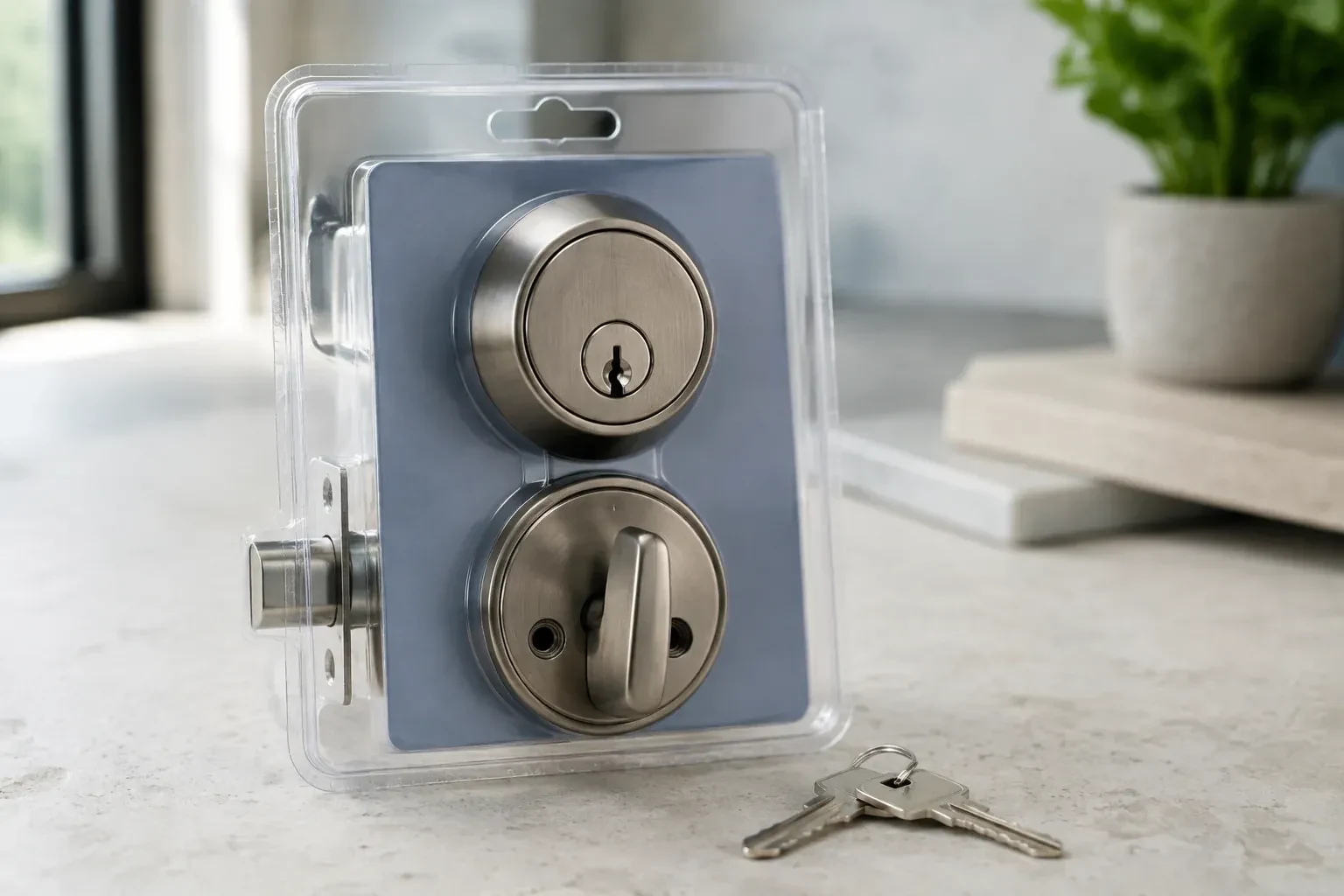
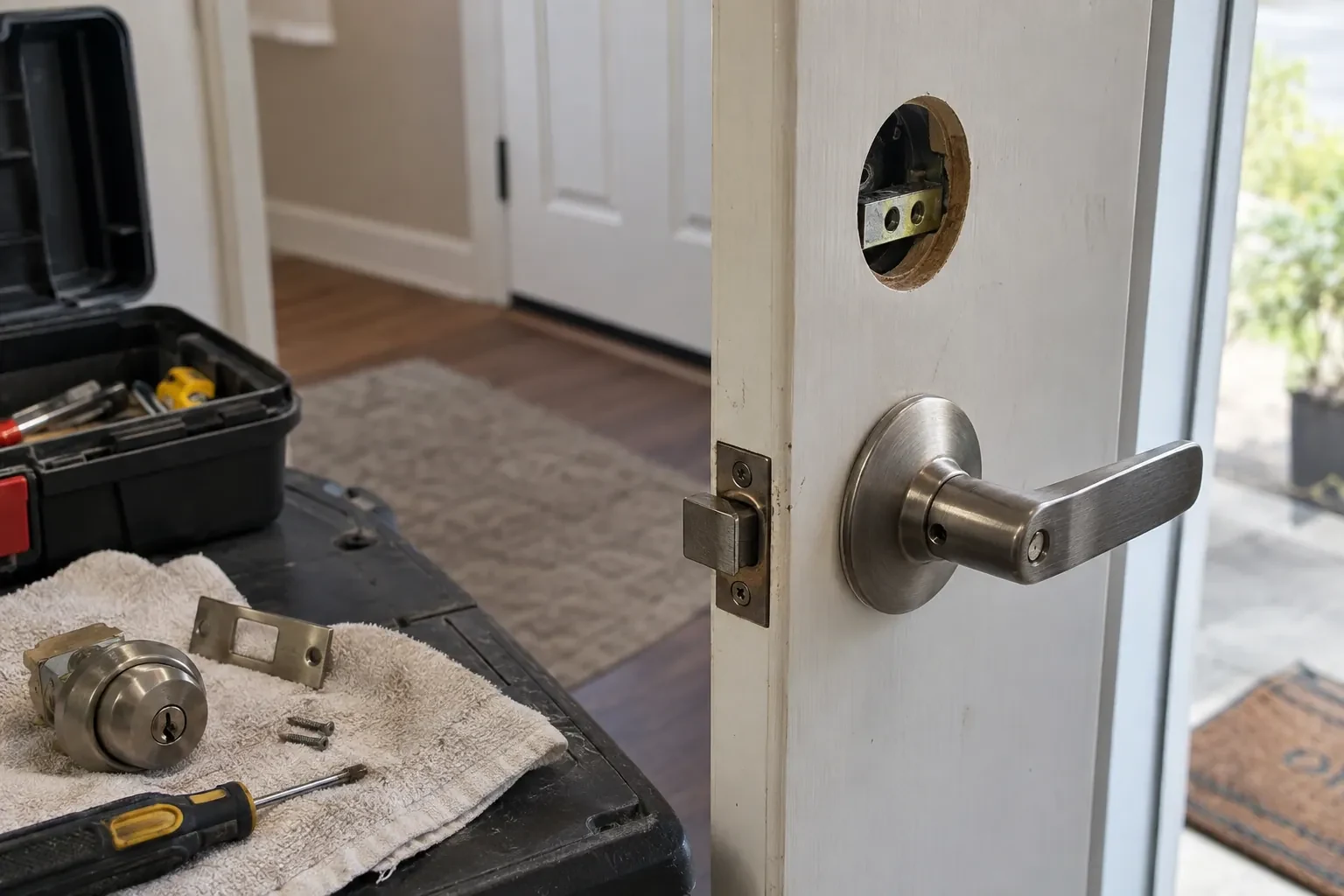
Every lock on a gate or shared entry belongs to a family with its own habits: a surface-mounted gate lock, a mortise case built into a heavier door, a rim cylinder feeding an electric strike, or a panic device on a fire exit. The maker's mark, the keyway shape and whether a thumb-turn or a second keyed side is present all point to which family sits on the door. Getting this right before opening anything up is what lets the visit move straight to adjustment or replacement instead of guessing at parts that will not fit the housing already there.
Bringing the closer into proper adjustment
Once the gate or door's swing has been read, the closer is adjusted in stages: overall closing speed, the final push that seats the latch, and how firmly the last few centimetres land. Each change is tested by cycling the gate several times before moving to the next adjustment, rather than guessing at a single setting. Where the arm, fittings or fluid are worn beyond adjusting, the closer is replaced with one sized to the gate's weight and width. The aim is a gate that swings its full arc, slows near the end, and settles into the latch on its own every time.
An electronic entry tested as one system
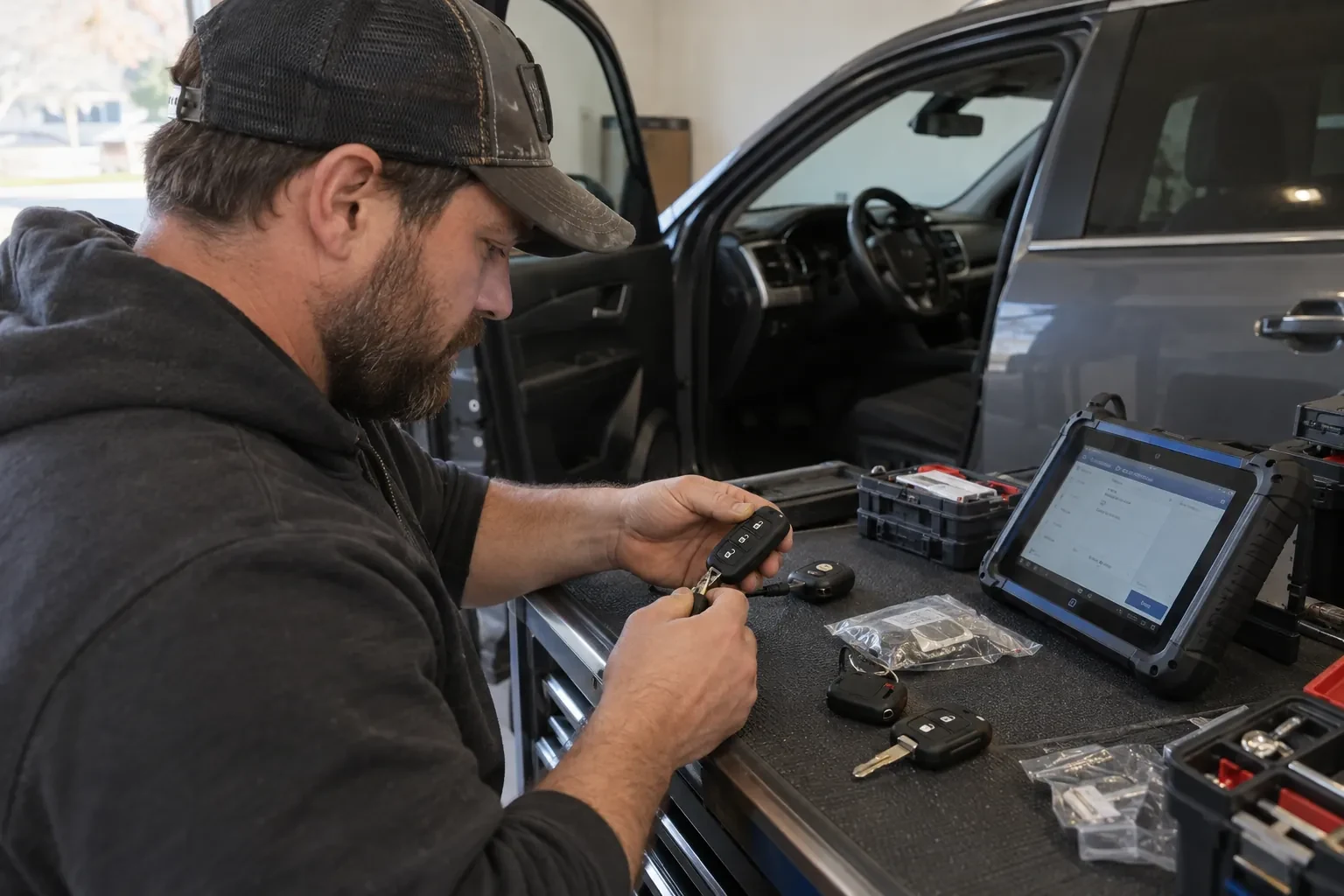
Where the entry includes a buzzer, keypad or electric strike, you see it worked before the locksmith leaves: the intercom releasing the door on a buzz, the keypad accepting a code, and, where the installed lock includes one, the mechanical override key turning cleanly as a backup. Batteries or settings that were touched during the visit are confirmed, and, if a backup key exists, you are shown where it lives so it is not lost track of. An entry with both a working backup key and working electronics now has two independent ways to open it, worth keeping in mind the day the power or the app misbehaves.
Gate & Building Entry Locks
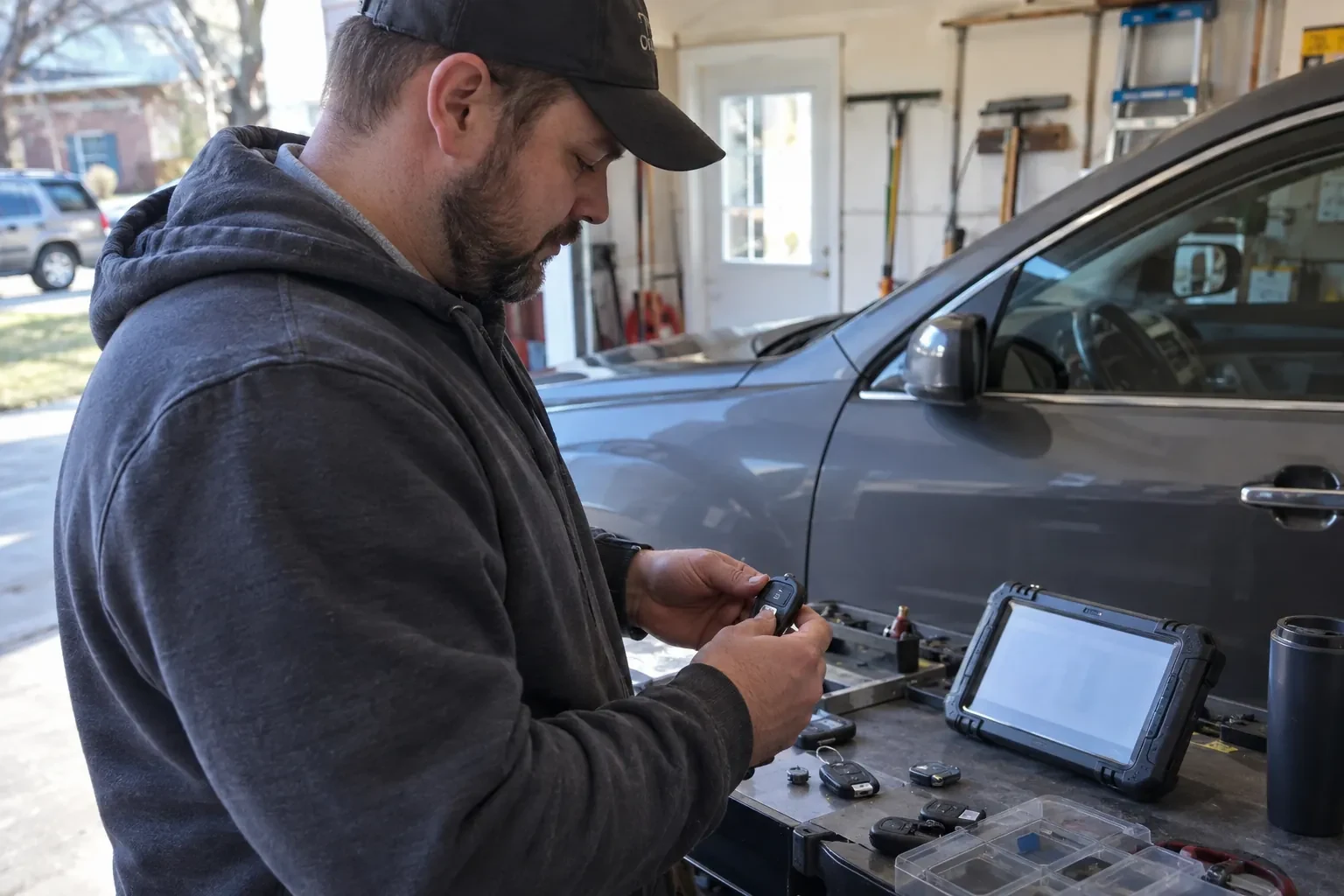
In the van
Hinges, pivots and shims
Voltage tester for electric strikes
Strike plates and keepers
Plug follower and repinning kit
Gate locks and latches
Gate & Building Entry Locks
What affects the quote
Any upgrade chosen while the locksmith is already there
Some property owners use the visit to move to a heavier closer, an electric strike, a master key system or additional padlocks for other gates. None of this is required to address the original problem; each option is priced as a separate line.
Whether the property manager or a board is involved
Work on a shared building entry sometimes needs sign-off from a property manager or condo board before proceeding, and coordinating that approval, along with providing a record of the work for their files, is part of the visit.
Type and grade of the gate or door lock
A basic surface-mounted gate latch, a weather-rated cylinder, a mortise case and a panic device on a building entry each take different parts and different amounts of time to service, and that difference is reflected in the quote.
What to have ready
- Is the gate wood, metal, aluminum or vinyl?
- Has anyone moved out or left the building recently?
- Roughly how many people currently need a working key?
Gate & Building Entry Locks: questions
QuestionsCan several padlocks around a property be keyed alike?
Yes, provided the padlocks themselves are a type built to be rekeyed or matched, which is a feature of the specific model rather than something price or quality decides. The locksmith either rekeys the existing padlocks to a shared combination or replaces any that cannot be rekeyed with new ones cut to match. The result is one key working the front gate, the side gate and the shed, instead of a separate key for each, though a utility gate can be left on its own key.
Someone tried to force our gate open. What happens now?
The locksmith first looks over the damage without disturbing it, noting pry marks, a bent strike or a cylinder that has been scored or spun, since that record is useful to have regardless of what else follows. Any hardware that was compromised is replaced rather than trusted, and a weak point the attempt exposed, such as an undersized hasp or a strike with too little bite, is addressed at the same time so the same approach would not work a second time.
A tenant moved out of our building. Do we need to rekey the shared entry?
It is worth doing, since a move-out is exactly the situation a rekey is meant to cover: a former tenant's key still operates the same lock everyone currently living there relies on. Rekeying resets the cylinder to a fresh combination and issues new keys to current residents, without requiring a whole new lock in most cases. Bringing any other gates or doors that share that key along at the same time keeps the whole property on one current combination.
Related services
- Deadbolt InstallationYou moved in three weeks ago.
- Lock Replacement & UpgradeThree teenagers, a dog walker, a cleaner and one house key that keeps going missing.
- Vintage Mortise Lock ServiceThe key turns freely in the round cylinder on the door, all the way around and back, without the bolt shifting at all.